


Heritage
A house, in its own words
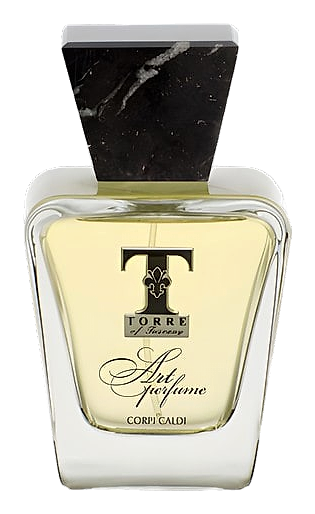
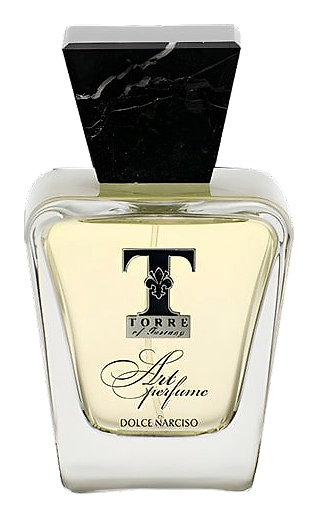
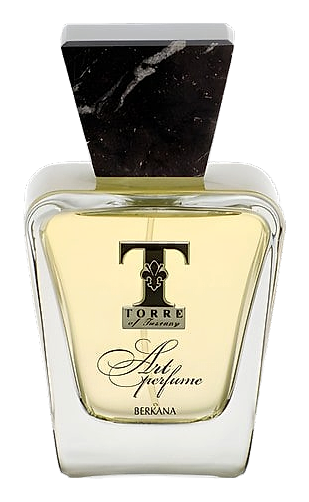
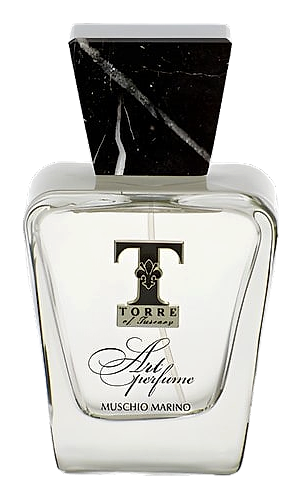
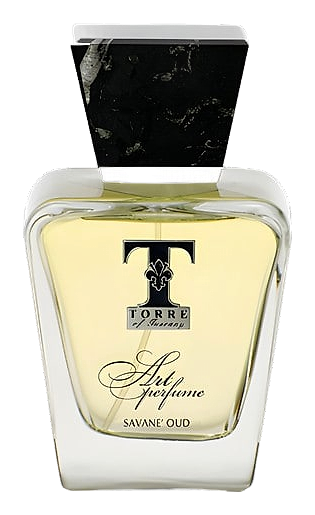
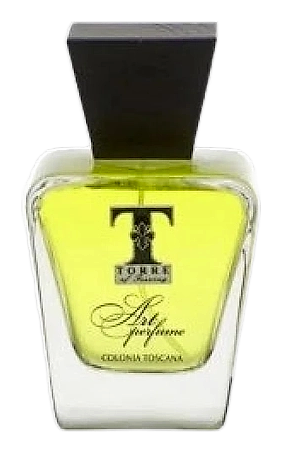
Enzo Torre opened the atelier in 2007 after years of studying the aromatic traditions of his native Tuscany. He chose the name Torre as a nod to the family’s historic watchtower that overlooks the coast of Forte dei Marmi. The first collection arrived in 2011, introducing Colonia Toscana, Corpi Caldi and Muschio Marino. Those releases paired classic citrus accords with locally sourced herbs, signaling a commitment to place‑based perfumery. In 2012 the house expanded its palette, adding Savane Oud, Berkana, Dolce Narciso and Vetiver Moderno, all of which reference distinct Tuscan micro‑climates, from the pine‑laden Maremma to the fragrant gardens of the Chianti hills. The brand’s growth remained modest; it continued to operate from a small workshop where Enzo oversees blending and bottling. In 2023 Torre of Tuscany presented a new line of fragrances and home scents at the Pitti Fragranze fair in Florence, marking its first major public showcase in over a decade. The event highlighted the label’s ongoing dialogue with regional artisans and its willingness to explore new olfactory territories while staying rooted in Tuscan heritage. Throughout its history the house has avoided mass‑market distribution, preferring boutique retailers and select specialty shops that share its respect for craftsmanship. Torre of Tuscany builds each scent around a single Tuscan element, whether a sun‑warmed lemon orchard or a misty pine forest. The brand believes that a fragrance should act as a portable landscape, allowing the wearer to recall a specific place without the need for elaborate storytelling. Enzo Torre emphasizes transparency; he sources raw materials from farms that practice sustainable harvesting, and he documents each ingredient’s provenance. The house values restraint, preferring clean compositions over layered extravagance. It also supports local craftsmanship, commissioning glass artisans from nearby towns to shape its bottles. By keeping the creative team small, Torre of Tuscany maintains direct control over every stage of development, from concept to final packaging. This approach reflects a broader Italian tradition that privileges quality, locality and a personal connection between maker and consumer.