
The Story
Why it exists.
The beginning
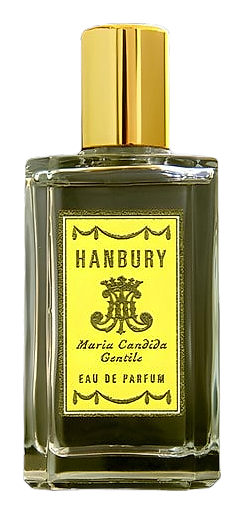
Hanbury takes its name from the Giardini Botanici Hanbury, a celebrated botanical garden perched on a steep peninsula in northern Italy where the Ligurian Sea meets the Mediterranean. The garden became a repository for rare species from around the world, a place where plants that shouldn't grow together somehow thrive in the mild coastal climate. The fragrance translates a specific place into scent: the way light moves through unfamiliar foliage, the warmth of stone warmed by afternoon sun, the scent of blooms that have no business being this close to the sea. The composition mirrors that botanical logic, building from bright citrus through sunny mimosa into a honeyed warmth that feels both gathered and gentle.
Calycanthus is the unusual note here, a botanical that appears in the garden's collection but rarely in perfumery. Its role is subtle: a woody, slightly green undertone that prevents the honey from becoming heavy and keeps the mimosa from floating into pure abstraction. The honey note amplifies the floral sweetness without overwhelming it, adding depth that feels almost sun-warmed. Benzoin adds a warm, resinous base that anchors the composition and gives it substance beyond the delicate top notes.
The evolution
The opening is the most assertive moment, Brazilian bitter orange and Sicilian lime arrive together, sharp and immediate, carrying something that reads as salt air. The citrus sits bright and pronounced before it begins to recede, making room for what comes next. The heart takes over gradually, mimosa and white honey arrive not as a sudden shift but as a softening, the way afternoon light fills a room without announcement. The calycanthus keeps the honey from becoming syrupy, adding a faint herbal edge that feels almost green. Benzoin and musk arrive last, pulling everything toward warmth. The drydown is intimate by design, this is not a fragrance that announces itself across a room. It stays close, warm, powdery, the kind of scent someone notices only when they're already beside you, lingering with quiet persistence.
Cultural impact
Hanbury arrived as part of a broader moment when independent perfumers were exploring ingredients beyond conventional accords. The fragrance's use of calycanthus, a botanical rarely found in mainstream compositions, reflects an approach to fragrance making that prioritizes discovery over familiarity. The mimosa and white honey pairing represents a specific aesthetic within niche perfumery, one that appeals to those seeking softer, more intimate compositions that reward close attention rather than demanding it.