Calycanthus
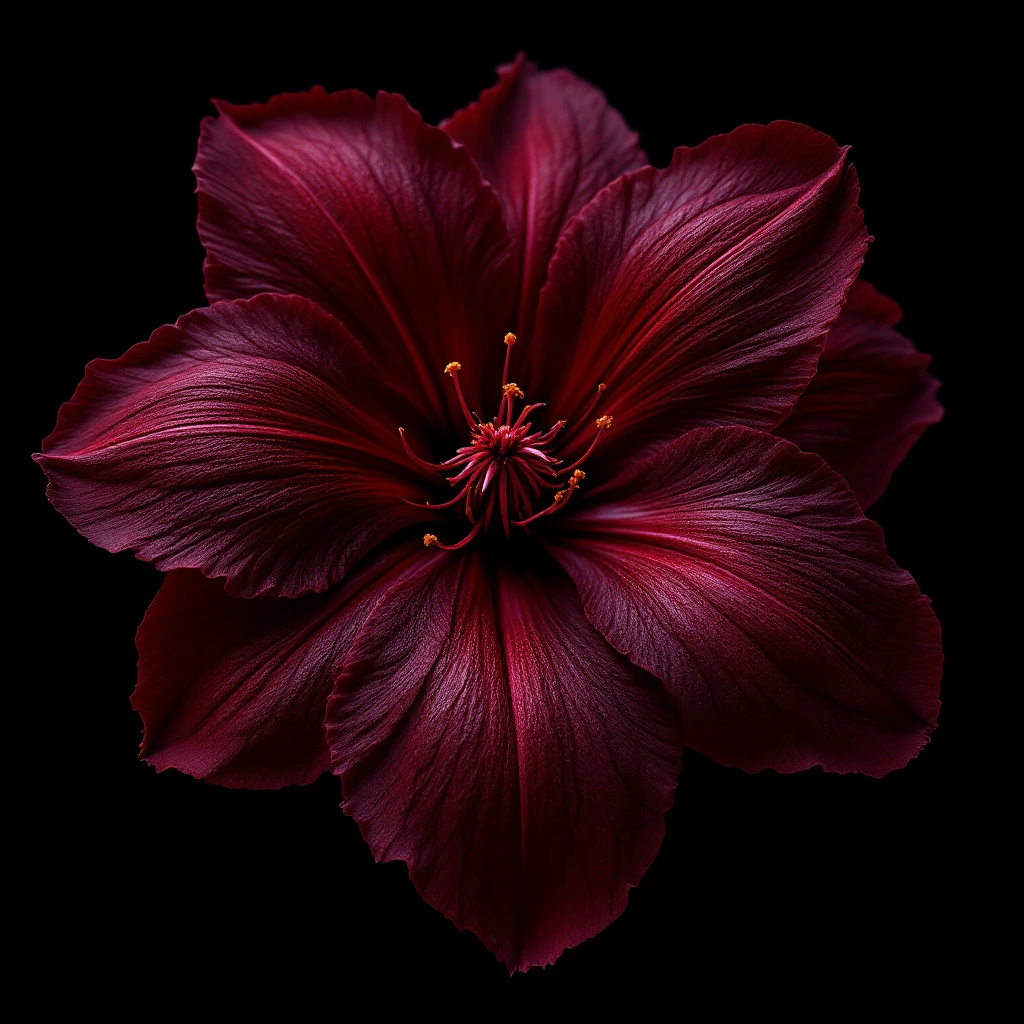
Calycanthus unites two North American natives: the eastern Sweetshrub and western Spice Bush. Their deep burgundy-wine fragrance carries strawberry sweetness and a fresh grapefruit lift. Steam-distilled from bark and flowering wood, this ingredient brings an unexpected wildness to fragrance compositions.
Character
How it smells
Wild American elegance in every drop.
Calycanthus flowers evolved their wine-like scent specifically to attract beetles, which feed on fermenting fruit and serve as the plant's primary pollinators.





Origin
United States
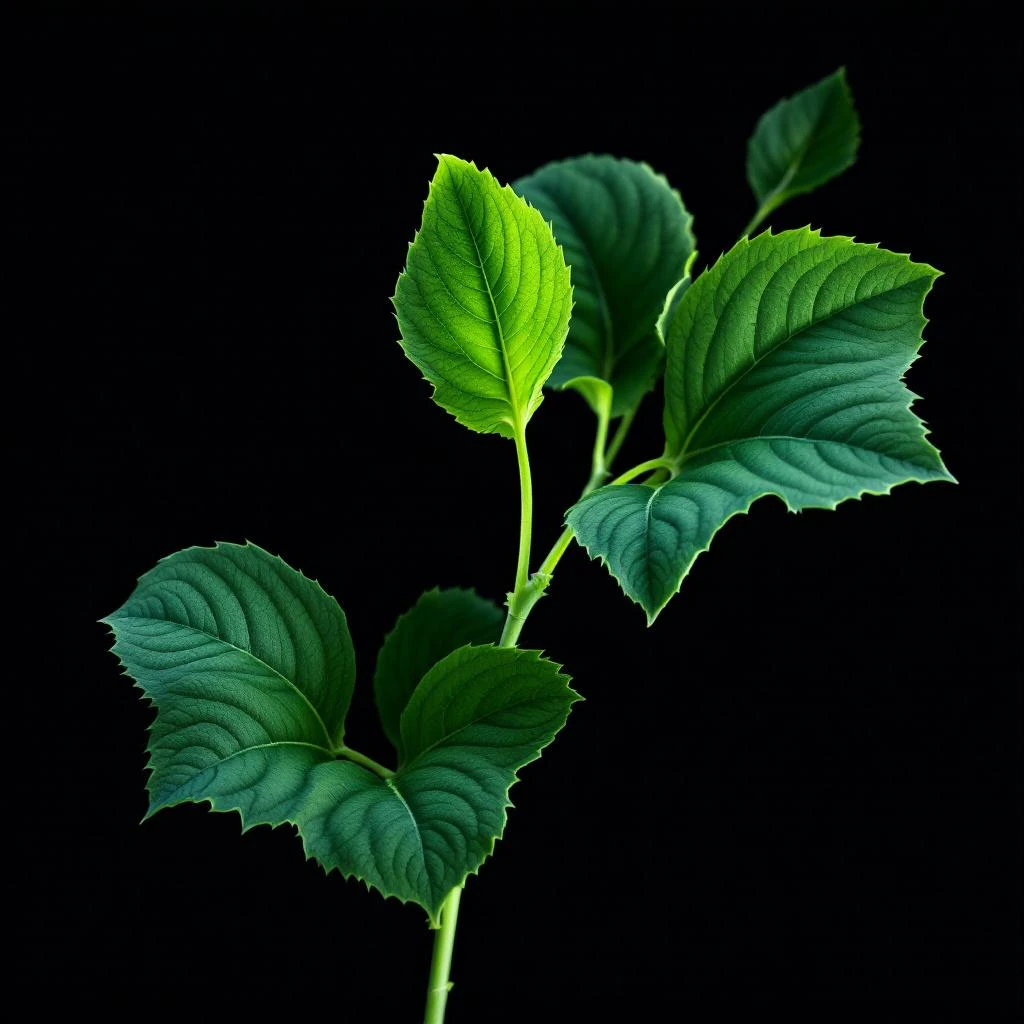
Calycanthus floridus earned the name Carolina Allspice among early American settlers who noticed its bark produced warm, spice-like notes when crushed. Native American tribes used various parts of the shrub in traditional remedies before European botanists documented the species in the early 1700s.
Chemists first isolated calycanthine, the plant's signature alkaloid, in the nineteenth century. The essential oil entered perfumery use during the early twentieth century, though it remained a niche ingredient due to sourcing limitations.
Jean Patou's fragrance Calycanthus, launched as a spicy women's scent, represents one of the earliest commercial fragrances built around this material. Today, independent perfumers increasingly seek calycanthus for its distinctive wild-fruit character that synthetic alternatives cannot fully replicate.
Wears it best
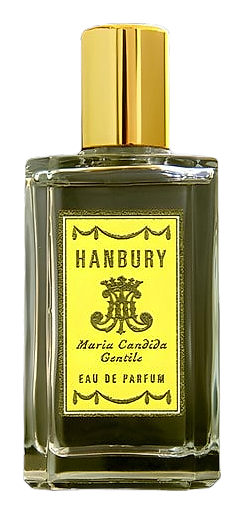
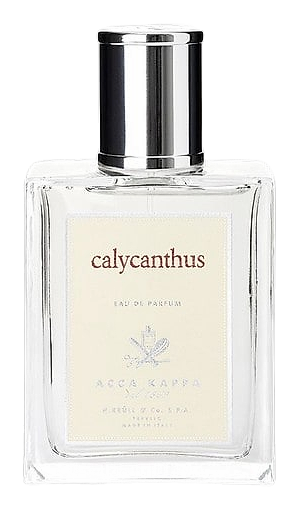
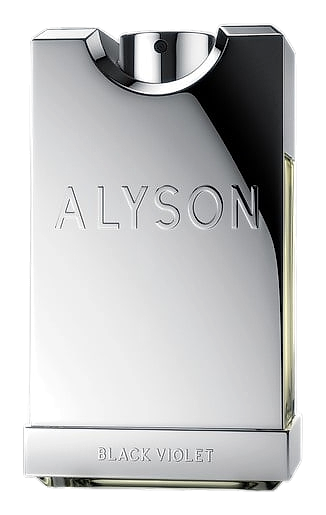
Fragrances featuring Calycanthus
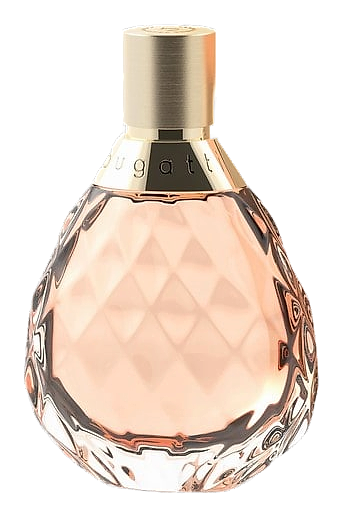
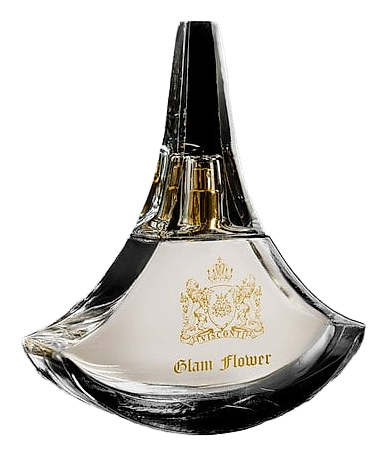
Brands
Brands known for Calycanthus
Good to know
Questions, answered
The essentials on Calycanthus in perfumery: how it smells, where it comes from, and how it behaves on skin.
What does calycanthus smell like?
Calycanthus carries a distinctive burgundy-wine aroma with ripe strawberry sweetness and a bright grapefruit lift. The scent also contains subtle spice and wood elements from the plant's bark.
Where does calycanthus grow naturally?
Two calycanthus species grow in North America. Calycanthus floridus thrives in the southeastern United States, while Calycanthus occidentalis grows along the West Coast from California to Washington.
Why does calycanthus smell like fermented wine?
The wine-like fragrance evolved as an adaptation to attract beetle pollinators that normally feed on fermenting fruit. The plant's volatile compounds mimic those found in overripe fruit.
Is calycanthus used often in commercial perfumes?
Calycanthus remains a relatively rare ingredient in mainstream perfumery due to limited supply. It appears more frequently in niche fragrances from independent perfumers who value its unique wild-fruit character.
Can I grow calycanthus for fragrance use?
Gardeners can cultivate Sweetshrub (Calycanthus floridus) in USDA zones 4-9. The plant prefers partial shade and moist, well-drained soil. Mature shrubs can be selectively harvested for small-batch distillation.
What is calycanthine?
Calycanthine is an alkaloid compound first isolated from calycanthus in the nineteenth century. It contributes to the plant's characteristic spicy aroma and has been studied for its chemical properties.
How is calycanthus oil produced?
Steam distillation of fresh bark, twigs, and flowering material produces calycanthus essential oil. Harvest timing during peak bloom ensures the highest concentration of aromatic compounds in the finished oil.
What are calycanthus' common names?
Calycanthus floridus is known as Carolina Allspice, Eastern Sweetshrub, and Strawberry Bush. Calycanthus occidentalis is called Spice Bush or Western Sweetshrub.




