The Story
Why it exists.
The beginning
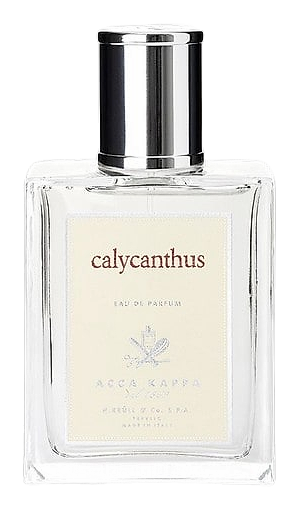
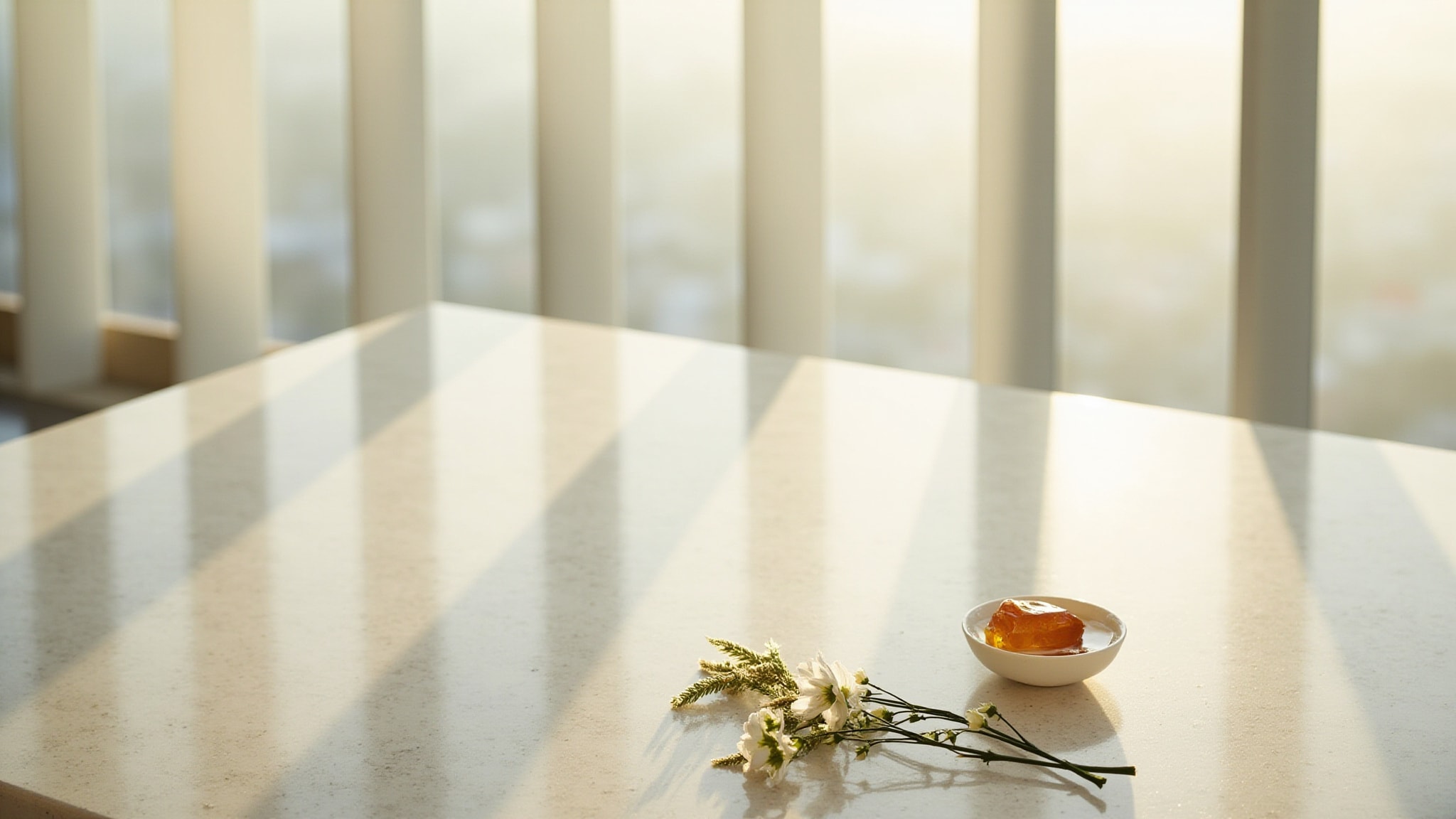
The calycanthus flower blooms in winter. While everything else retreats, it pushes through, pale gold petals against frost, sweetness that refuses to wait for spring. Acca Kappa built this fragrance around that defiance. The 2003 launch took a flower most people had never heard of and made it the anchor of an entire composition. Not rose, not jasmine, not the usual suspects, calycanthus. A shy winter bloom that most Italians pass without noticing, growing in gardens throughout the Veneto region where the house itself was born. The intent was clear: capture the moment when winter hasn't finished but spring has already begun.
Bergamot opens with the sharp clarity of cold morning air, that moment before the sun fully commits. Plant sap adds a green, almost aquatic note, like stems cut fresh. Neroli bridges the gap between citrus and floral, bright without being aggressive. The heart is where calycanthus earns its place: jasmine and peony give it body and elegance, while cyclamen adds a slightly wild, almost animal quality that keeps the florals from feeling precious. This is not a bouquet sitting on a table, it's flowers still rooted in soil.
The evolution
The opening lasts longer than expected. Bergamot and plant sap hold their ground for a full thirty minutes, this is not a fragrance that rushes to reveal itself. When the transition comes, it's gradual. The green notes soften. Jasmine arrives quietly, not loudly, and the calycanthus emerges as a subtle undertone rather than a statement. The peony and cyclamen blend into something that reads as floral but resists easy identification. The drydown is where Calycanthus earns its reputation. Orange blossom honey and peach create warmth that stays close to skin. Musk wraps everything in softness. On fabric, the peach lingers for hours, a ghost of sweetness that never quite fades. On skin, expect six to eight hours of presence that never becomes loud.
Cultural impact
Still in production twenty years after its 2003 debut, a quiet achievement. Calycanthus found its audience and kept them. The fragrance occupies a specific space: refined enough for those who notice composition, subtle enough for everyday wear. It's not a statement fragrance. It's a considered one.