Plant sap
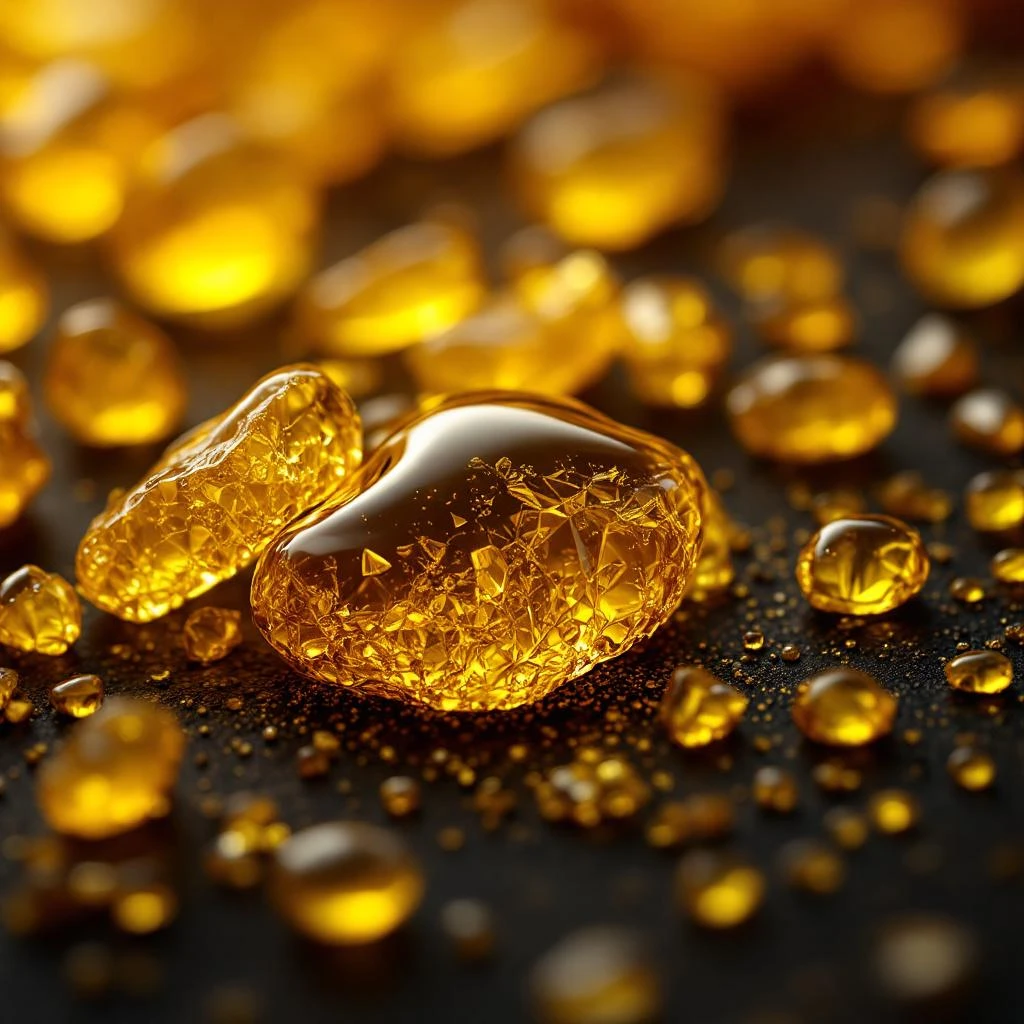
Plant sap is the living fluid of plants, tapped for perfumery as resinous tears and aromatic oleoresins prized for their warm, balsamic depth.

Character
How it smells
The living essence that binds fragrance to skin.
Some frankincense trees must rest up to five years between tappings to regenerate their precious aromatic resin.




Origin
Somalia
Plant saps rank among the oldest fragrance ingredients, with documented use in Mesopotamia and Egypt dating back over 4,000 years. Frankincense and myrrh dominated ancient trade routes across the Arabian Peninsula, valued as highly as precious metals. The Egyptians used aromatic saps in religious rituals, cosmetics, and medicine.
Greek and Roman perfumers incorporated these materials into their unguents and incense blends. Medieval Arabian physicians like Ibn al-Baitar catalogued their therapeutic properties. The Renaissance revived sap-based perfumery in European courts, where myrrh and benzoin scented gloves and pomanders.
By the 19th century, perfumers in Grasse began systematically studying these materials, isolating key compounds like boswellic acids from frankincense. Today, sustainable harvesting of wild and cultivated Boswellia species remains critical as wild populations face pressure from overharvesting and climate change.
Wears it best
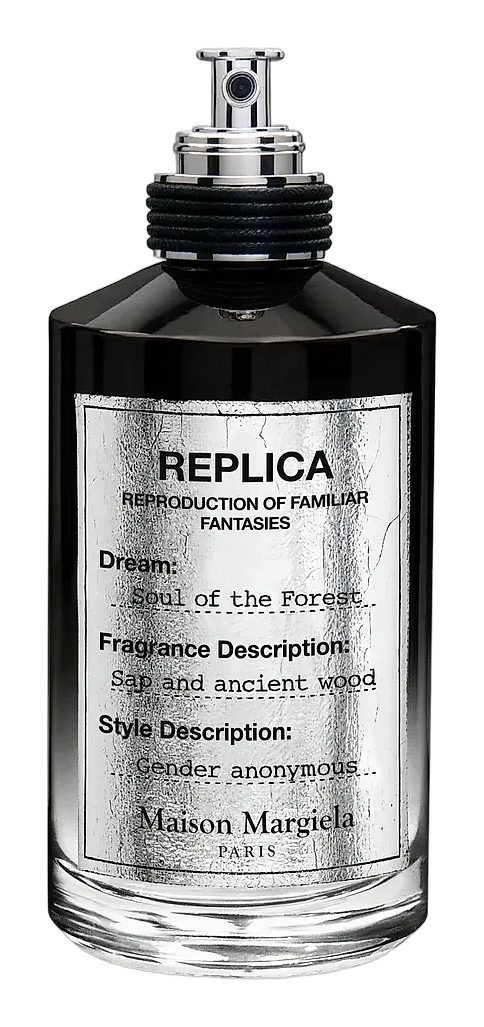
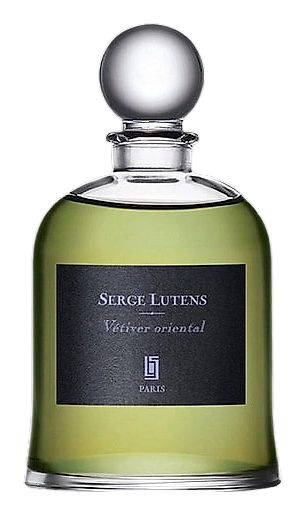
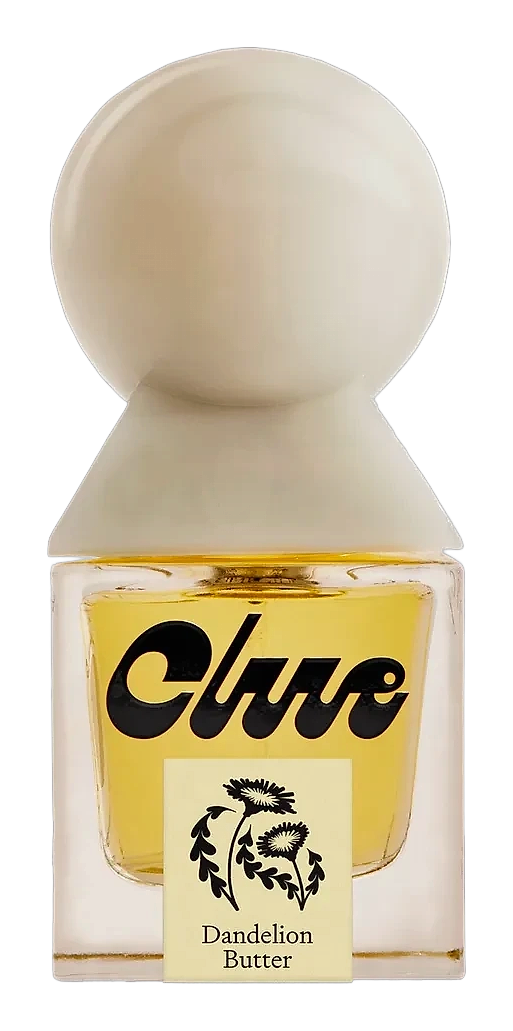
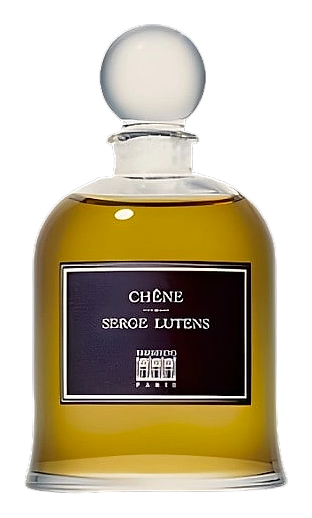
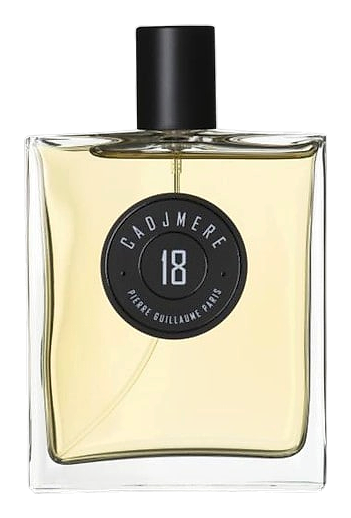
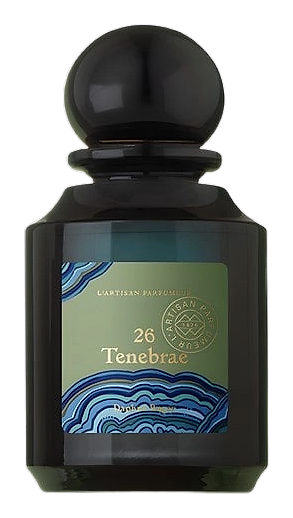
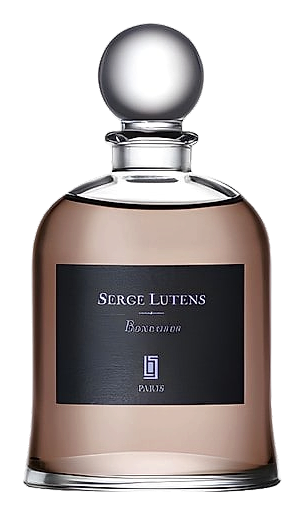
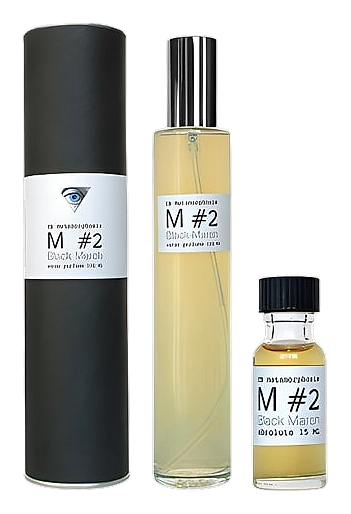
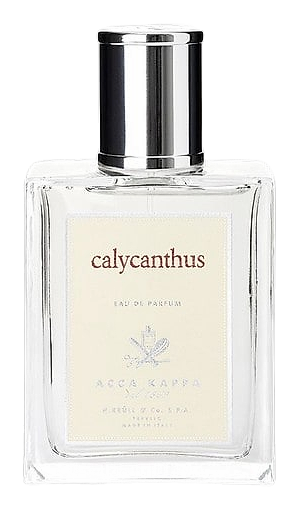
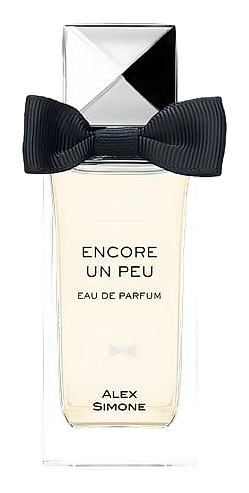
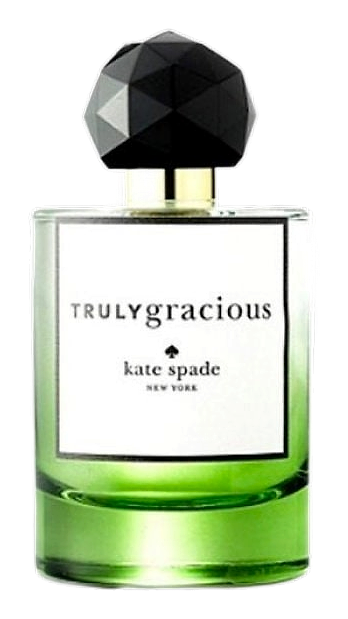
Fragrances featuring Plant sap
Brands
Brands known for Plant sap
Good to know
Questions, answered
The essentials on Plant sap in perfumery: how it smells, where it comes from, and how it behaves on skin.
What exactly is plant sap in perfumery?
Plant sap for perfumery is the aromatic resinous fluid secreted by trees when their bark is wounded. Frankincense and myrrh are the most common examples, collected as hardened tears that are then steam distilled or solvent extracted.
How does sap differ from essential oils and absolutes?
Sap-based materials contain both volatile aromatic compounds and non-volatile resinous fractions. Essential oils capture only the volatiles through distillation. Absolutes, extracted with solvents, retain more of the original material including heavier resinous molecules that give depth and longevity.
What does the tapping process involve?
Harvesters make shallow incisions in tree bark, and the tree responds by weeping aromatic resin over several days. Collectors gather the fresh tears by hand before they harden. Tapping must follow strict seasonal and rotational schedules to prevent permanent damage to the tree.
Which sap-based materials are most valued in perfumery?
Somali frankincense commands top prices for its bright citrus and pine notes. Yemeni and Omani frankincense varieties are prized for complex, spicy character. Ethiopian myrrh and Indian balsamic fir balsam also rank among premium materials used in fine fragrance.
Which fragrance families most commonly feature plant saps?
Oriental fragrances rely heavily on sap-based materials for their warm, resinous character. Woody and chypre compositions also feature them prominently. The balsamic, slightly medicinal quality adds fixative power and depth that synthetics struggle to match.
Are plant sap ingredients sourced sustainably?
Some species face genuine threats. Boswellia sacra and B. papyrifera populations have declined significantly from overharvesting. Leading producers now enforce multi-year rest cycles per tree and replanting programs. Certifications and supply chain traceability help ensure responsible sourcing.
How can I verify the quality of a sap-based fragrance ingredient?
Look for transparency about botanical species, country of origin, and harvest date. Color, transparency of tears, and aroma intensity all signal quality. Suppliers should provide gas chromatography reports and certifications for sustainable or organic sourcing.
Can synthetic chemistry replicate plant saps?
Synthetics can reproduce individual aromatic molecules found in saps, but no laboratory has replicated the full complexity of natural frankincense or myrrh, which contain hundreds of interacting compounds. Attempting to synthesize the complete blend would cost far more than the natural material.