The Story
Why it exists.
The beginning
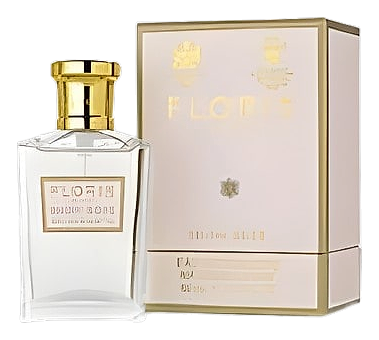
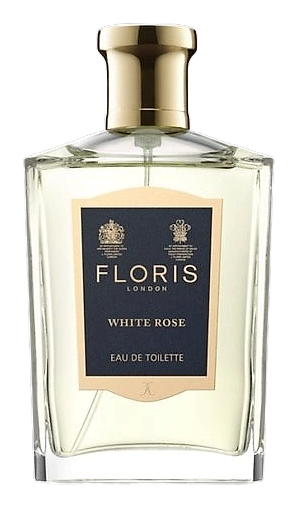
White Rose is one of the earliest perfumes by Floris, one of the house's foundational statements on what a floral fragrance could be. The concept: not the idea of a rose, but its visual reality, white petals, green stems, the slight coolness of something just cut. The perfumer wasn't building a romantic gesture. They were translating a color into scent, and the aldehydes were the light source that made it possible.
What makes the structure interesting is how the powdery notes aren't a base, they're a framework. The florals don't float above it; they grow from it. Carnation adds a faint spice that keeps the rose from becoming precious. Violet and iris create a coolness that echoes the aldehydes' opening shimmer. It's a closed loop: the top and bottom talk to each other, and the heart is where they meet.
The evolution
The aldehydes open bright, almost metallic, a cold shimmer that doesn't last long but sets the tone. Within twenty minutes the green notes and carnation arrive, adding texture without weight. The rose doesn't dominate; it arrives as part of a conversation. Violet and jasmine soften what could have been sharp. This is where it lives for the next several hours: a powdery, classical floral that keeps its cool even as it warms against skin. The base arrives quietly, amber, musk, powder, and stays close. Intimate rather than announced. On clothing the next day, it settles into something softer: the powder lingers, the rose fades to a memory.
Cultural impact
White Rose has outlasted trends, failed reformulations, and the rise and fall of entire fragrance categories. It's not a social media fragrance, there's nothing to photograph, nothing that photographs well. The people who wear it tend to know exactly what they want: a composition that doesn't announce itself but rewards attention. It's been a quiet reference point for those who understand the difference between projection and presence.