
The Story
Why it exists.
The beginning
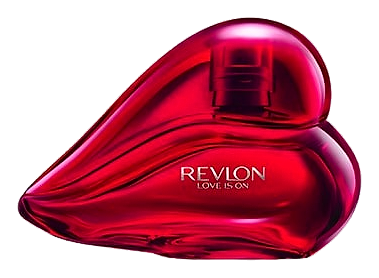
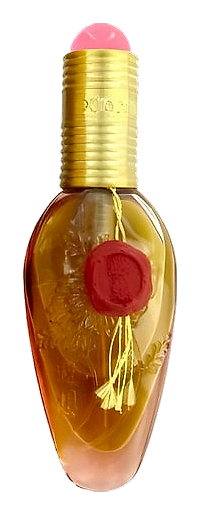
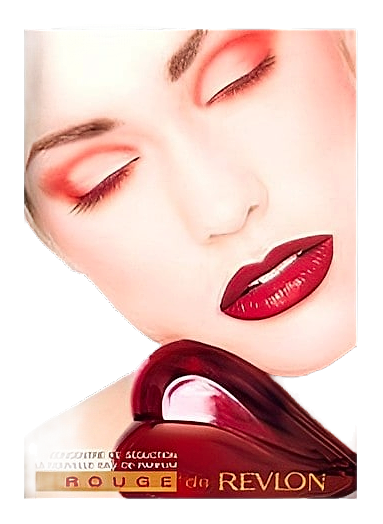
Rouge de Revlon landed in 2000, crafted by perfumer Judith Cross. The name says it all, this was Revlon reaching for something bold and declarative, a fragrance that translated the brand's color confidence into scent. Where other releases of the era played it safe, Rouge de Revlon leaned into lush, powdery florals with a warm woody base that refused to disappear quietly. It was designed for a woman who moved through her day with intention, not apology.
The powdery floral genre has always lived in a specific emotional register, somewhere between nostalgia and luxury. What makes Rouge de Revlon interesting is the balance Judith Cross struck: a creamy gardenia and red peony heart that reads soft and romantic, anchored by pink pepper, cedar, and sandalwood that keep it grounded. The peach in the base adds a fleeting sweetness that rounds the composition without tipping into fruit. It's a fragrance that wears its femininity without irony, a quality that aged less gracefully than the scent itself.
The evolution
Rouge de Revlon opens with a clean, bright burst, bergamot and ylang-ylang introduce themselves before the florals deepen. Within the first twenty minutes, gardenia and rose take over, and the character shifts from citrus-bright to lush and warm. The peony and violet layer in as the heart develops, adding a powdery softness that becomes the fragrance's defining trait. By hour three, the base notes arrive: cedar and sandalwood ground the florals while pink pepper adds a faint spice. The drydown is where this fragrance lives longest, a warm, powdery embrace that stays close to the skin for six to eight hours on most. Lingers on fabric too. The morning after, cedar and that soft peach note are all that remain.
Cultural impact
Rouge de Revlon arrived in 2000 carrying the confident DNA of late-90s Revlon, when the brand was known for bold moves that other mass-market houses weren't making yet. The powdery floral genre had peaks and valleys in the decades before this release, but Revlon approached it without the preciousness that sometimes hobbles the category. It's since become the fragrance people reference when they describe what they wish they could still find.
The House
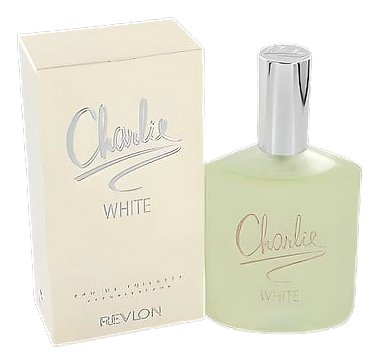
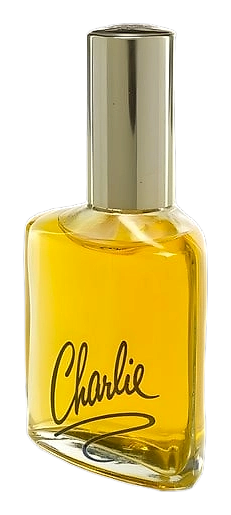
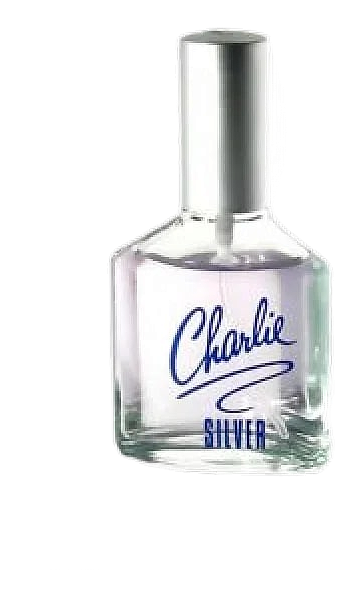
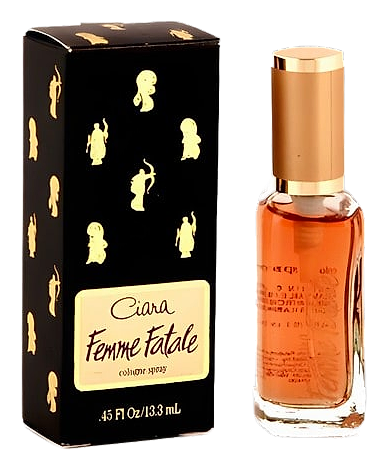
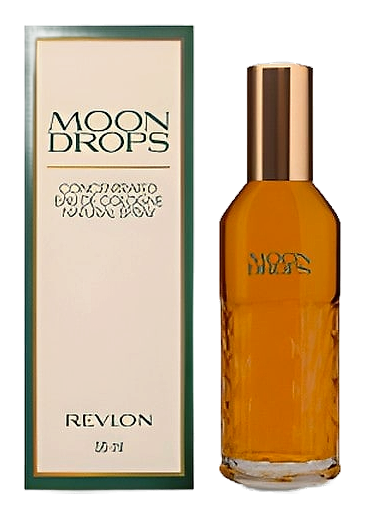
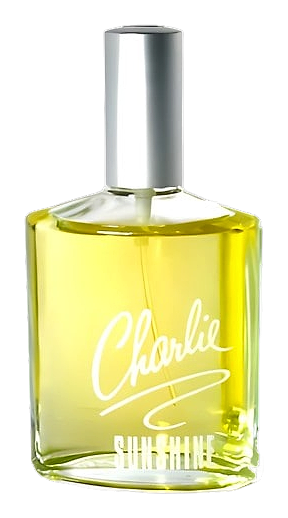
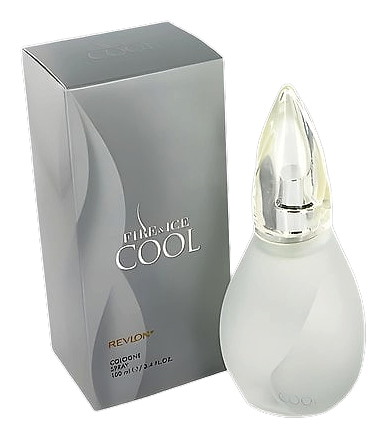
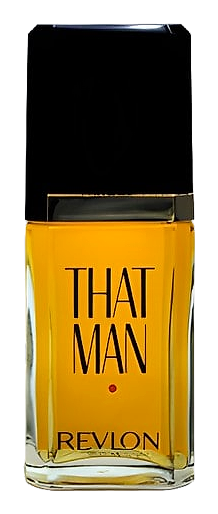
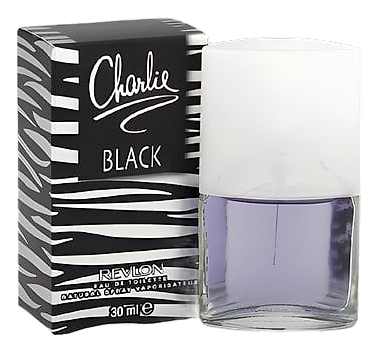
RevlonRevlon entered the fragrance market with a philosophy rooted in demographic intuition. While the brand built its empire on color cosmetics, it approached scent as an extension of its identity: accessible, bold, and responsive to shifting social moments. Fragrances like Charlie Oriental (1988) and Charlie Naturals Fresh Flowers (1986) brought Western consumers into conversation with East Asian olfactory traditions at a time when cross-cultural beauty exchanges had barely begun. The revlon fragrance catalog spans five decades, from That Man (1958) to Ciara Femme Fatale (1995), and includes oriented options like Xia Xiang (1987) and the musk-forward Charlie Naturals Rare Musk (1986). The breadth of this catalog suggests a company that treated fragrance not as prestige theater but as ongoing cultural dialogue. Revlon's fragrance division operated within a global beauty enterprise headquartered in New York, leveraging mass-market distribution to reach consumers far beyond the boutique counters. This accessibility shaped both the brand's limitations and its cultural reach.
The Creator
Judith CrossWithout documented fragrance releases from Judith Cross yet, her stylistic preferences remain to be established through future work. The Rogue Perfumery aesthetic tends toward bold, vintage-inspired compositions with pronounced character, which may inform her own sensibilities…