The Story
Why it exists.
The beginning
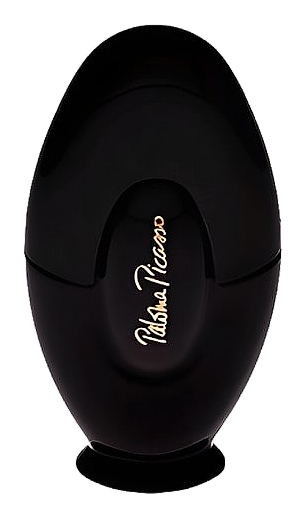
Mon Parfum arrived in 1985 as Paloma Picasso's declaration in scent form. As daughter of Pablo Picasso and a celebrated jewellery designer in her own right, she brought her sculptural sensibility to perfumery, sharp geometric forms softened by passionate colour, translated into olfactory language. Working with perfumer Francis Bocris, she chose a chypre-floral structure because it could hold contradictions: the polish of bergamot and rose opening into something deeper, something that would outlast the moment. This was not a fragrance designed for passive popularity. It was designed for women who would choose it deliberately, knowing exactly what they were wearing and why. The name itself says it all: Mon Parfum. My fragrance. Mine.
The chypre structure is the foundation here, oakmoss, patchouli, and amber creating a base that doesn't just support the florals but argues with them. What makes Mon Parfum distinctive is the honey note threading through the composition: sweet but not soft, it gives the powdery elements something to anchor against. The rose appears twice, in top and heart, which could read as redundancy but instead creates a through-line, a rose that opens bright and arrives again deeper, warmer, more insistent. Angelica and ylang-ylang add an aromatic quality that prevents the florals from becoming precious. Coriander brings a spicy edge that keeps the heart from becoming precious.
The evolution
The opening is a study in controlled intensity. Bergamot and lemon arrive crisp and almost medicinal before the rose asserts itself, joined by hyacinth's green-floral note and angelica's aromatic bite. There's an angularity here that feels intentional, this is not a fragrance that eases you in gently. Within the first twenty minutes, the honey emerges, sweetening the structure without softening it. The heart phase brings coriander and jasmine, their spiciness and creaminess creating a middle register that feels warmer, more intimate, the conversation that happens after the entrance has been made. The drydown is where Mon Parfum earns its reputation. Oakmoss and patchouli build into a mossy-woody base that can persist for hours, joined by sandalwood's cream and musks that give the composition its animal warmth. By the final phase, the fragrance has become something quieter but no less present, powdery, warm, close to the skin, the kind of smell that lingers on a scarf long after the wearer has left the room.
Cultural impact
Mon Parfum positioned itself as a fragrance for women who choose deliberately, not a passive popularity play but a bold statement piece. The chypre-floral structure, with its sharp angles softened by passionate colour, reflects Paloma's aesthetic. It launched in 1985 when bold, theatrical fragrances were gaining traction among women seeking presence. Still in production decades later, it remains a reference point for chypre compositions, a quiet testament to the woman who made scent her statement.