The Story
Why it exists.
The beginning
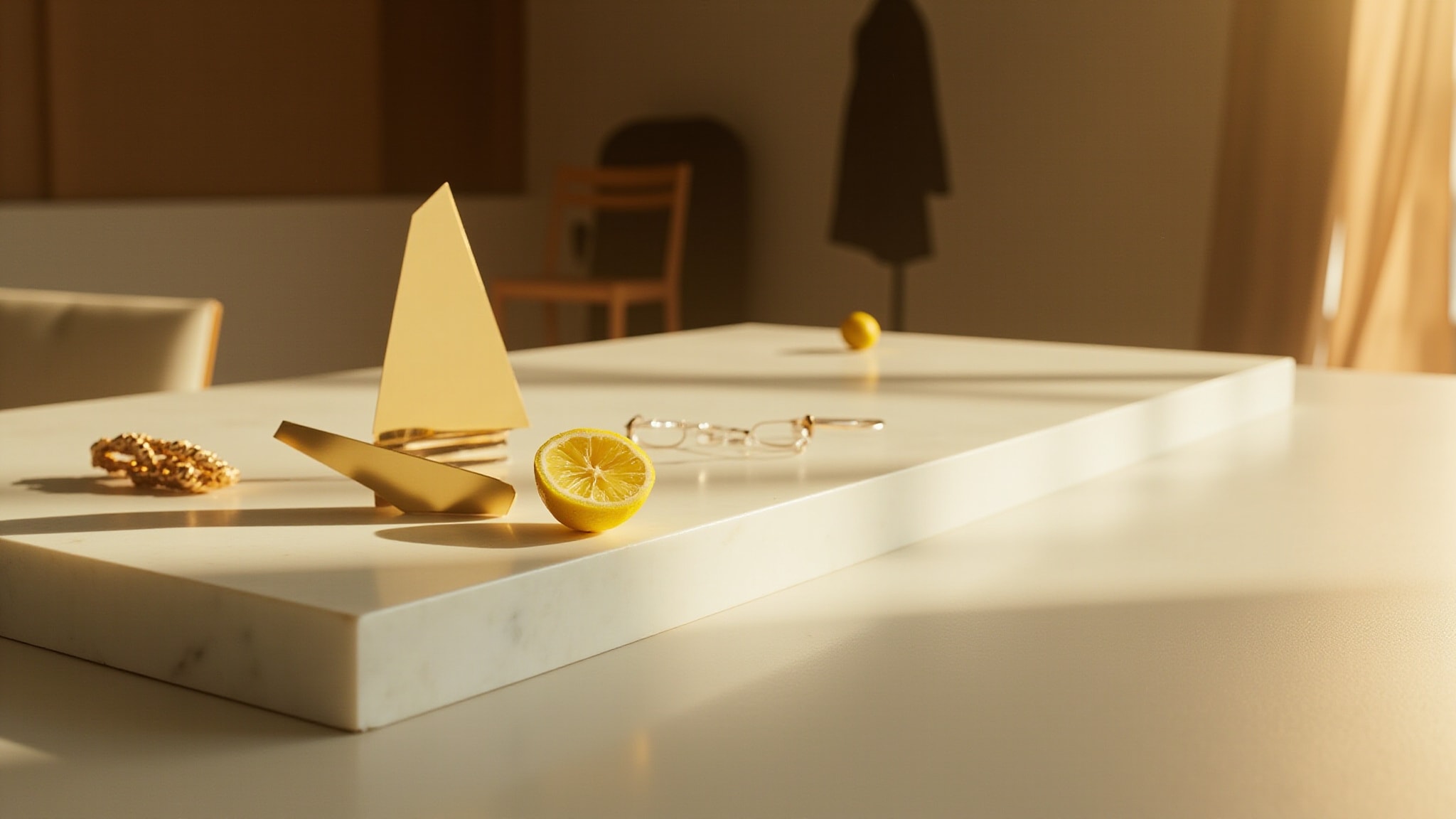
Paloma Picasso is the daughter of Pablo Picasso and a celebrated jewellery designer who brought her sculptural sensibility to perfumery. She had spent years working in sculptural forms, cutting gems, shaping metal into wearable objects that caught light and demanded attention. Her philosophy was simple: scent should make a statement, not whisper politely from the background. Working with perfumer Francis Bocris, she translated that sensibility into a composition that felt like it could be held, angles and weight, sharp geometry softened by rich color. The fragrance announced itself the way its creator intended: with presence, without apology. Every element feels intentional, designed to occupy space rather than merely fill it.
The aldehydic opening is the signature move here, and it's what separates this from the pack. Aldehydes give the citrus a waxy, almost metallic shimmer that lifts the bergamot and lemon into something that feels luminous rather than bright. The coriander adds a subtle green spice underneath, keeping the top from being purely sparkling. It's that combination, aldehyde lift, citrus sparkle, and a hint of green depth, that makes the opening feel like an announcement rather than just a greeting. The heart that follows is where the richness lives: hyacinth brings an almost aquatic greenness, jasmine adds warmth, and the may rose gives it body without tipping into sweetness.
The evolution
The opening hits like a flash of light, aldehyde brightness, lemon zest, bergamot oil, and something metallic underneath that makes the citrus feel electric rather than clean. Neroli adds a bitter floral edge, and the coriander lingers just beneath, keeping everything grounded in green spice. For the first thirty minutes, this is all sparkle and structure. Then the florals arrive. Hyacinth leads, its green aquatic quality cutting through the sweetness, followed quickly by jasmine, rich, almost indolic, and definitely not shy. May rose gives it body. Lily of the valley and mimosa add that powdery floral quality that rounds the heart into something substantial. By hour two, the base begins to assert itself. Oakmoss arrives with its earthy, mossy depth, classic chypre territory, and the civet adds an animalic warmth that is unmistakable. Musk and amber give it staying power.
Cultural impact
Paloma Picasso arrived at a time when women's fragrances were becoming louder and more declarative. The fragrance fit that moment perfectly, a composition that announced itself without apology, that refused to be background music. Its aldehydic opening and chypre structure placed it firmly in the classical perfumery tradition while its boldness felt entirely of the moment. The bottle design, angular, faceted, catching light like a gemstone, reflected Picasso's jewellery background.