Francis Bocris
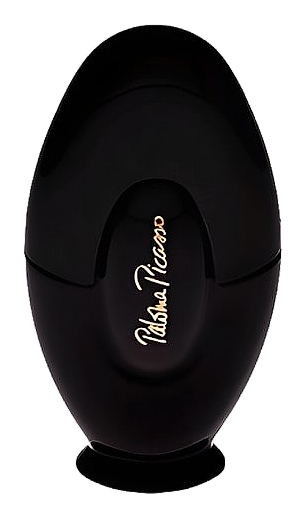
Francis Bocris began his formation at ISIPCA in Versailles, grounding himself in the formal architecture of French fragrance before deepening his practical education in 1964 with Antoine Chiris in Grasse. This combination of institutional rigor and traditional house apprenticeship gave his work a classical foundation that remained evident throughout his career. He built a substantial international practice, working with houses including Creations Aromatiques. In 1984, he created Paloma Picasso Mon Parfum, translating the bold graphic sensibility of the Picasso family into olfactory form. The fragrance demonstrated his ability to channel a designer's distinctive vision while maintaining his own compositional discipline. His career spans decades, reflecting a steady commitment to the craft rather than the spotlight. Bocris represents a generation of perfumers whose technical mastery often served the reputations of the houses and clients they partnered with, a professionalism that deserves wider recognition.
The hits
Notable creations


The signature
How Francis composes
Drawing from his Chiris apprenticeship, Bocris gravitates toward classical materials and time-tested accords. His style favors structured, coherent compositions where each layer performs a clear function. He shows particular skill with warm, enveloping bases that give his creations staying power. His approach to the Paloma Picasso fragrance suggests comfort with boldness when the brief calls for it, yet his overall body of work leans toward refined elegance rather than provocation. Bocris employs traditional techniques like accord-building and careful material selection to achieve effects that feel modern without sacrificing longevity or depth.
Philosophy
What drives Francis
Bocris treats fragrance composition as an architectural exercise, believing that each scent requires a clear structural logic from top notes through to the final drydown. His approach emphasizes restraint and intentionality over abundance. He grounds his work in classical perfumery principles while remaining responsive to the specific briefs and personalities of his collaborators. For Bocris, a successful fragrance should feel both inevitable and distinctive, familiar enough to appeal yet individual enough to linger in memory. His work suggests he values the collaborative aspect of perfumery, seeing his role as interpreter and craftsman in service of a larger creative vision.
The houses
Maisons Francis composes for
In the same league