
The Story
Why it exists.
The beginning
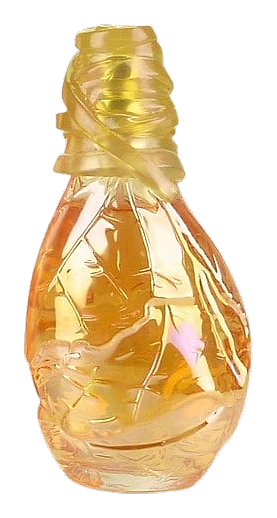
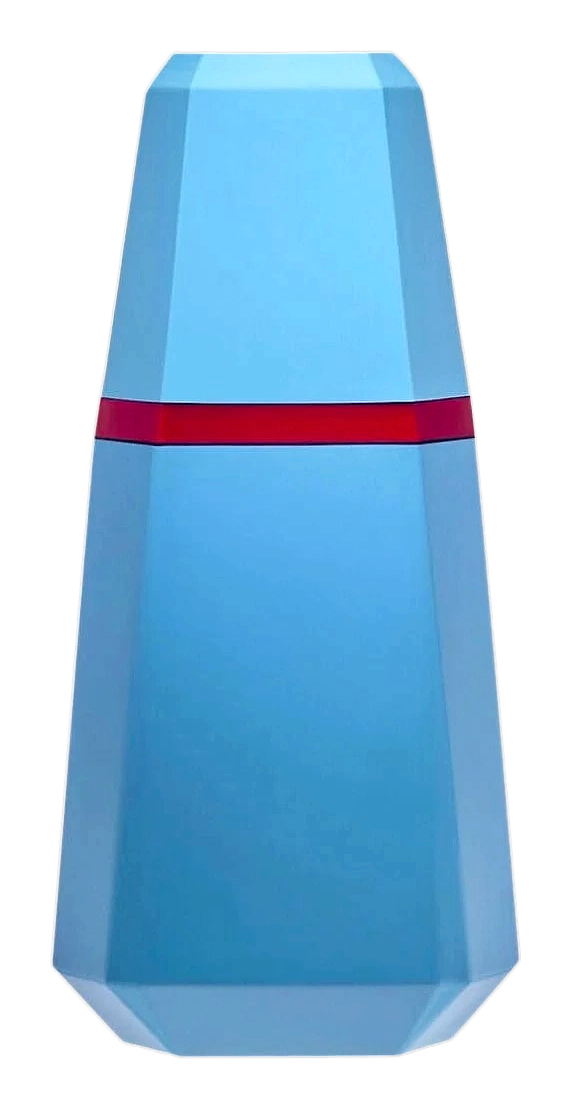
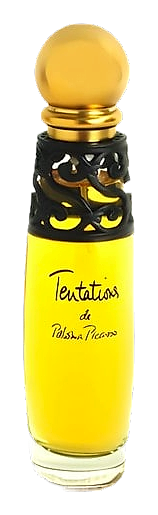
The fragrance opens with a bright, fruity character, bergamot, peach, a flash of orange blossom, before an unusual vodka note arrives like ice in a glass of something top-shelf. That boozy edge is the first surprise. The rest of the fragrance earns its name from what happens next. The composition builds from that opening, layering warm florals over a resinous base. The heart develops into a warm, waxy, slightly powdery floral core of carnation, rose, jasmine, orchid, and cinnamon. Carnation brings its characteristic clove-like spice, cinnamon adds a sharp warmth, and the florals layer in a way that feels opulent rather than delicate. The combination of peach from the opening and spice from the heart creates a fruity-floral-spicy tension.
The heart of Tentations is where most orientals live: carnation, rose, jasmine, orchid, cinnamon. These are arranged as a warm, waxy, slightly powdery floral core that carries the composition through its middle hours. This is not a quiet heart. Carnation brings its characteristic clove-like spice, cinnamon adds a sharp warmth, and the florals layer in a way that feels opulent rather than delicate. The combination of peach from the opening and spice from the heart creates a fruity-floral-spicy tension that gives the fragrance its distinctive character.
The evolution
The opening arrives bright and fruity. Bergamot, peach, a flash of orange blossom, then the vodka note cuts through like ice in a glass of something top-shelf. That boozy edge is the first surprise. It lasts longer than expected, perhaps twenty minutes, before the florals begin to assert themselves. The transition is not gentle. Carnation and cinnamon arrive with a waxy, spicy warmth that shifts the composition from fruity to floral-scented in under an hour. The rose and jasmine deepen the heart, but it is the carnation that dominates this phase, giving Tentations its characteristic warmth. By the third hour, the drydown takes over. Benzoin and myrrh create a sticky, smoky sweetness that sits close to the skin. Incense adds a slight edge. Sandalwood and cedar provide a clean woody counterpoint beneath the tonka bean's vanilla warmth. The musk anchors everything.
Cultural impact
Tentations has attracted a devoted following who return to it specifically for that unusual vodka opening and the warm, resinous drydown. The combination of peach, spice, florals, myrrh, and incense gives it a distinctive character that wearers describe as having real personality. Some wearers describe the projection as intrusive and others find it fades and reappears throughout the day. The fragrance has maintained its presence among enthusiasts who appreciate its unique approach to oriental composition.
The House
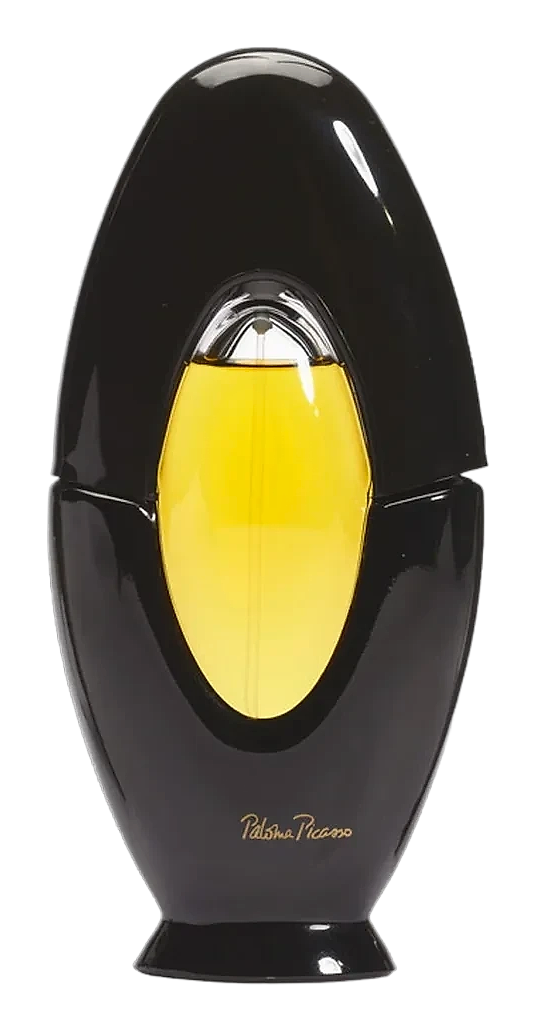
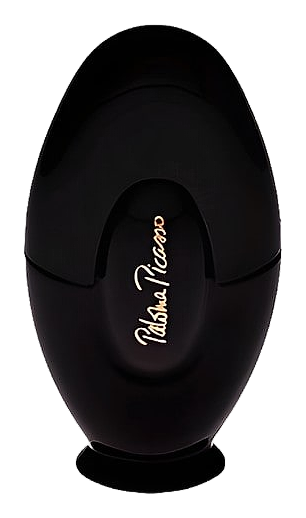
Paloma PicassoPaloma Picasso fragrances originate from the atelier of a multi-disciplinary artist whose name carries unmistakable weight in the fashion world. As daughter of Pablo Picasso and a celebrated jewellery designer, she brought her sculptural sensibility to perfumery when she partnered with L'Oréal to launch her debut fragrance in 1984. The scent, an opulent chypre-floral composition created alongside perfumer Francis Bocris, reflected her signature aesthetic sharp angles softened by passionate colour. First arriving at Saks Fifth Avenue in New York, her fragrance catalogue has since expanded to include Mon Parfum (1985), Minotaure (1992), Tentations (1996), and various flankers. Her work bridges fine jewellery and olfactory architecture, both disciplines requiring an understanding of how form catches light and how scent occupies space.
The Creator
Max GavarryIn the studio Max favors a restrained palette that highlights natural extracts such as cedar, bergamot, jasmine, and marine accords. He often begins with a single dominant note, then builds layers that reveal themselves over time, creating depth without overwhelming the wearer.