The Story
Why it exists.
The beginning
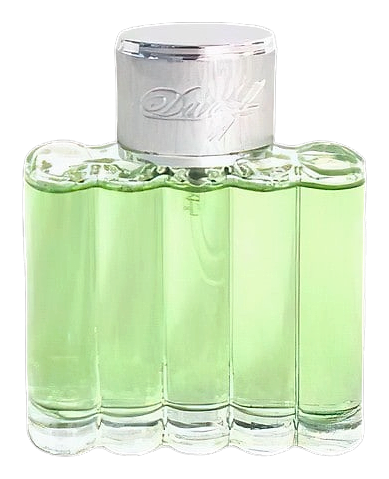
Pierre Bourdon created Good Life Women for Davidoff in 1999, working within a house built on accessible luxury and the belief that quality shouldn't require pretension. The name is the brief: not the grand life, not the aspirational life, just the good one. Fig as a primary note was an unusual choice for Davidoff's catalog, which skewed masculine and aquatic. But Bourdon made it work, threading fig through the entire composition rather than using it as a fleeting top note. The result was a feminine fragrance that didn't perform femininity, it simply inhabited it.
The most interesting structural choice in Good Life Women is fig appearing twice in the pyramid, top and heart, serving two different functions. In the opening, fig is bright, green, almost vegetable. In the heart, it's rounder, sweeter, lactonic. This creates continuity: the fragrance doesn't dramatically shift from one phase to the next. It evolves. The supporting notes, jasmine, ylang-ylang, magnolia, amplify the sweetness. Orris root adds a powdery violet quality. Sandalwood, amber, black pepper, and vetiver in the base keep everything grounded. The real achievement is the balance. No note dominates. The fig doesn't become cloying, the florals don't overwhelm, the woods don't go heavy.
The evolution
Good Life Women opens with fig leading, bright, green, slightly lactonic. The rose and jasmine arrive quickly, softening the fig rather than competing with it. This is not a dramatic opening. It arrives like someone walking into a room they know well. Twenty to thirty minutes in, the heart develops. Fig becomes sweeter, riper. Ylang-ylang and magnolia bloom, bringing creamy tropical warmth. The orris root adds powdery violet, almost like the scent of crushed petals on warm skin. The sillage is moderate at this point. Close enough to notice, far enough to ignore. This is a fragrance for living, not for entrances. The drydown is where Bourdon's skill shows. Sandalwood and amber create a warm, woody base, the kind that stays close to skin without projecting aggressively. Vetiver adds earthiness. Black pepper provides just enough spiced warmth to keep things interesting without becoming sharp. Fig lingers throughout, but now it's fig skin, dried fruit, the memory of sweetness rather than the sweetness itself.
Cultural impact
Good Life Women arrived in 1999, a period when feminine fragrances tended toward either aquatic freshness or heavy orientalism. The fig and ylang-ylang combination was unusual, creamy and distinctive without the aggressive sweetness of its contemporaries. It never became iconic, which suited it. Some fragrances are meant to be discovered rather than known. For those who find it now, often through the winding paths of discontinued-fragrance searches, it offers a window into how Davidoff approached women's scent with the same thoughtfulness it brought to the men's line. Warmth without weight. Presence without announcement. The good life, bottled for those who don't need to perform it.
The House
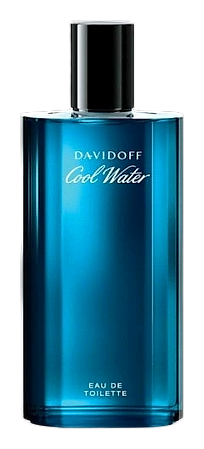
DavidoffDavidoff stands as a Swiss testament to accessible luxury, where aquatic freshness meets timeless craftsmanship. Born from the vision of Zino Davidoff, a Ukrainian immigrant who transformed his father's Geneva tobacco shop into a global lifestyle empire, the house revolutionized perfumery in 1988 with Cool Water. That fragrance didn't just launch a scent. It created an entirely new olfactory category. Today, Davidoff continues to capture the elemental power of water and nature in fragrances that remain remarkably democratic, offering genuine quality without the elitist price tag.
The Creator
Pierre BourdonBourdon's signature lies in clarity and restraint. He favors transparency in composition, building fragrances that breathe rather than overwhelm.