The Story
Why it exists.
The beginning
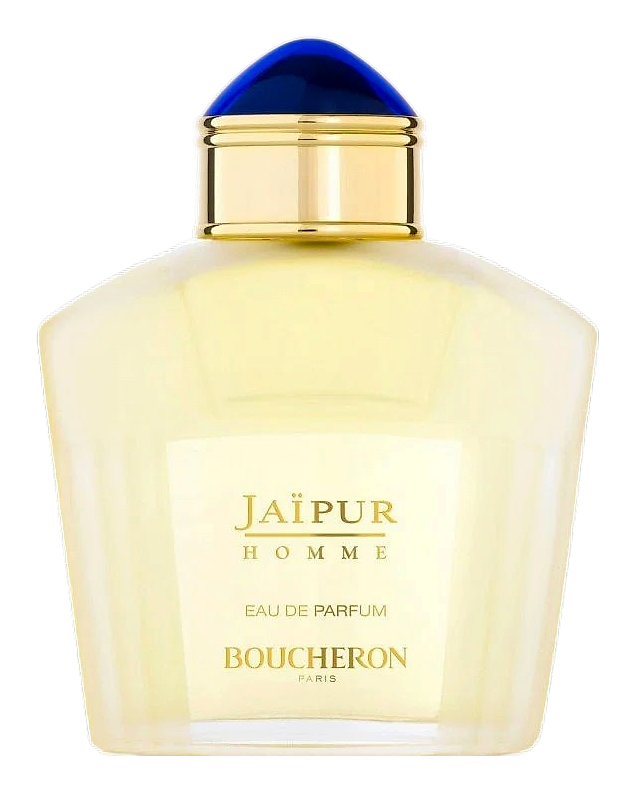
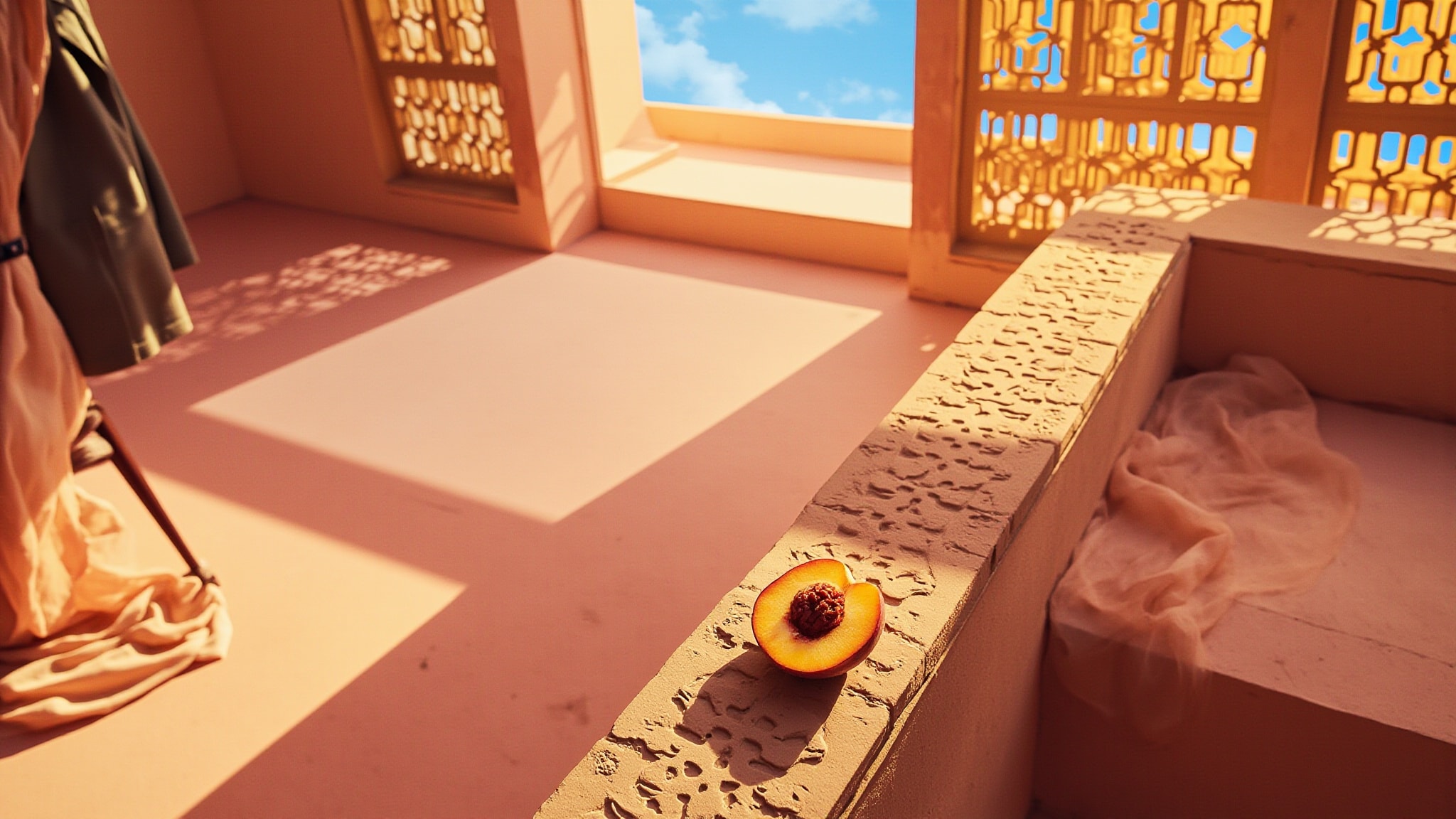
Jaipur takes its name from the Pink City of Rajasthan, that sun-drenched maze of bazaars, gemstone dealers, and palaces where precious materials move through daily life worn close to the skin. Boucheron chose this reference deliberately: the house had already translated its sculptural approach to jewelry into pieces that hug the body rather than constrain it. The 1994 fragrance needed to do the same thing. Sophia Grojsman and Jean-Pierre Mary were tasked with capturing that warmth, the feeling of golden light through carved stone windows, of florals drying in the heat, of something precious that doesn't announce itself. The bottle reinforces the connection: modeled after a bracelet, a lucky charm meant to be worn, not displayed.
The note structure is unusual for its era. Fruity aldehydic openings were common enough in 1994, but the way Jaipur builds its heart is distinctive, the orris root and heliotrope create a powdery iris effect that softens every edge. Meanwhile, the styrax adds a resinous warmth that prevents the whole composition from feeling dated. What makes this work is the cedarwood and sandalwood base anchoring everything, keeping the sweetness from floating away entirely. It's a pyramid designed for wearability: Boucheron's founding principle applied to scent.
The evolution
The opening hits immediately with peach, apricot, and plum, ripe fruit at a market stall, almost too generous. Freesia adds a slight green edge that keeps it from becoming jam. This phase lasts maybe twenty minutes before the florals arrive: rose and peony first, then the carnation bringing a faint spice. The hand-off is where most fragrances stumble, but Jaipur transitions smoothly into its heart, where the orris root and heliotrope begin their slow bloom. By the second hour, you're in powder territory, warm, aldehydic, the kind of softness that lingers close to the skin. The drydown on most skin types holds for 4-6 hours, with sandalwood and benzoin taking over around hour three. Vanilla and musk keep it comfortable, never heavy. What surprises wearers is the cedarwood appearing late, grounding everything that came before.
Cultural impact
Jaipur arrived in 1994 with a clear point of view: warm, powdery, unapologetically feminine in a decade that was rediscovering sensuality. It found its audience among women who wanted fragrance to feel like a second skin, present but not projecting, intimate rather than announced. The bracelet-shaped bottle reinforced the jewelry connection that differentiates Boucheron from fashion-house fragrances. Three decades later, it remains in production, which says something about the composition's staying power.