The Story
Why it exists.
The beginning
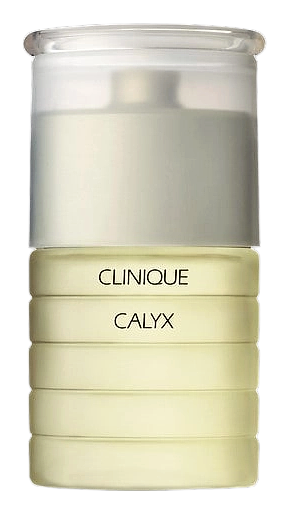
Sophia Grojsman doesn't chase trends. She builds compositions that outlast them, and Calyx, launched in 2013, is proof. This wasn't a new idea. The original Calyx arrived in 1987 under Prescriptives, another Estée Lauder-owned house, where it cultivated a loyal following over nearly two decades before the brand was discontinued in 2009. When Clinique revived it, they kept Grojsman at the helm. The message was clear: some formulas don't need reinvention. They need a second chance.
The note structure is what makes Calyx unusual. Most tropical fragrances lean into sweetness, mango, papaya, passion fruit often serve as a shortcut to warmth. Here, they're counterbalanced by green leaves, mandarin, and grapefruit in the top, then anchored by oakmoss and vetiver in the base. The result isn't a fruit salad. It's a composition where tropical and green exist in genuine tension. Guava and vetiver shouldn't work together on paper. In Calyx, they do, because Grojsman built the bridge with white florals. Freesia, lily of the valley, jasmine, rose, these don't dominate. They translate between the bright, almost sharp tropical opening and the earthy, mossy base.
The evolution
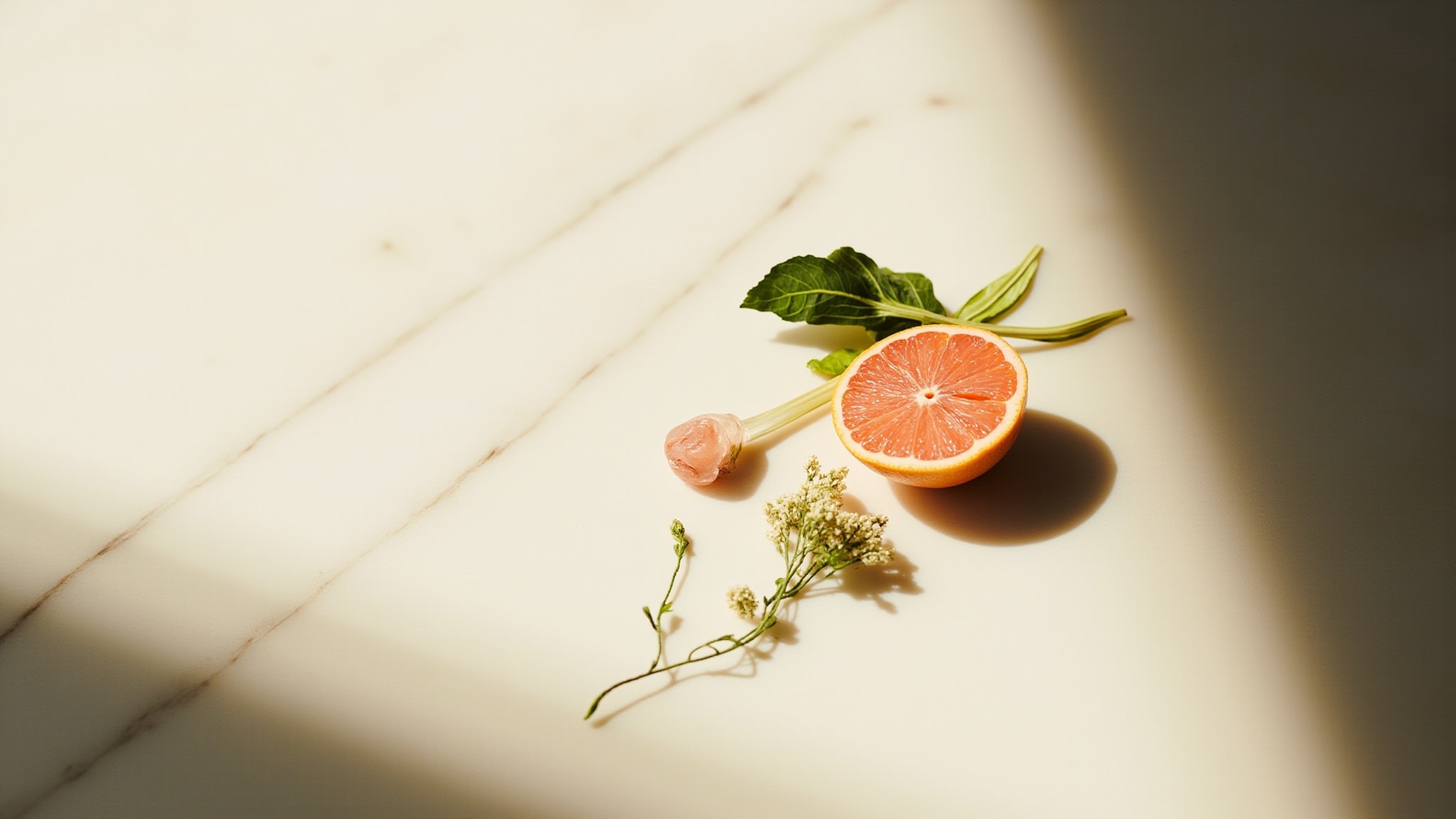
First spray: grapefruit and mandarin arrive crisp, almost effervescent. Underneath, guava and mango emerge, tropical sweetness without the syrup. The green notes arrive quickly, adding a leafy, botanical counterpoint that prevents the fruit from reading as dessert. The heart builds gradually. Freesia opens first, then lily of the valley, jasmine, a whisper of rose. These white florals don't overpower, they season. They keep the composition fresh as the tropical notes begin to recede. By hour two, the base takes over. Oakmoss and vetiver ground the composition with an unexpected green-earth quality. Sandalwood and orris add creaminess without sweetness. The drydown is the quietest part, close to skin, mineral, slightly mossy. It lasts another three to four hours on most skin types.
Cultural impact
Calyx occupies an unusual position, tropical fruit without surrendering to sweetness, green florals without powder, a base that stays honest. Wearers describe it as the scent of someone who values distinction over loudness. The 2013 relaunch brought a formula developed in 1987 to a new generation that hadn't encountered the original. It appeals to the wearer who wants Clinique's clinical intelligence applied to something genuinely unexpected.