


Heritage
A house, in its own words
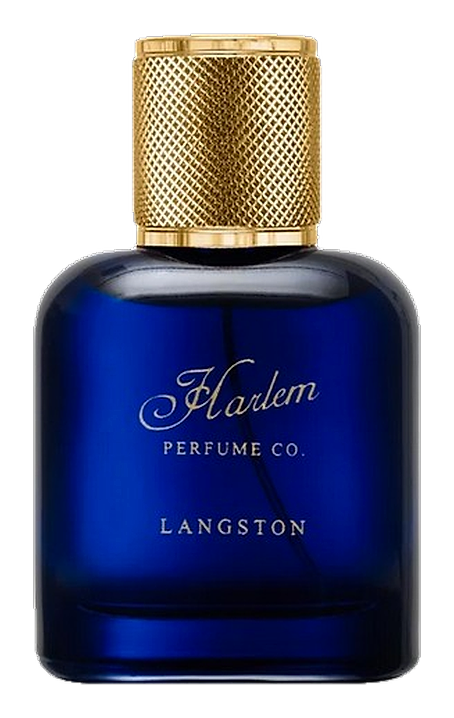
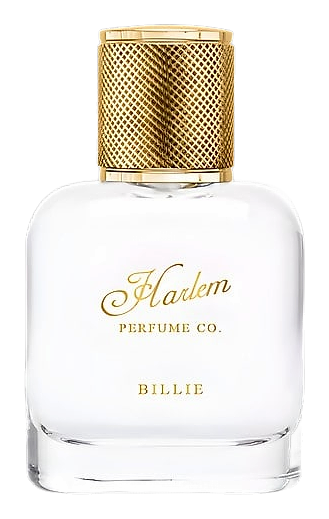
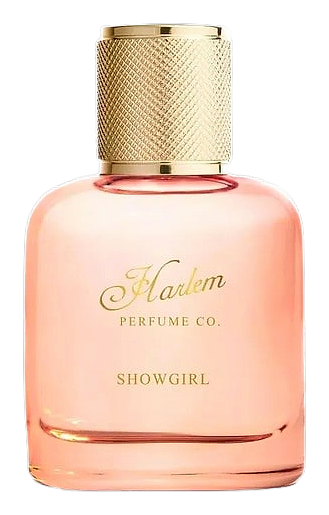
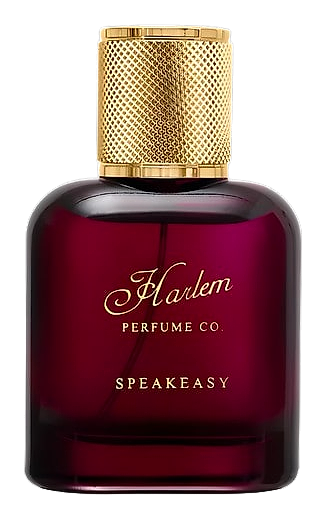
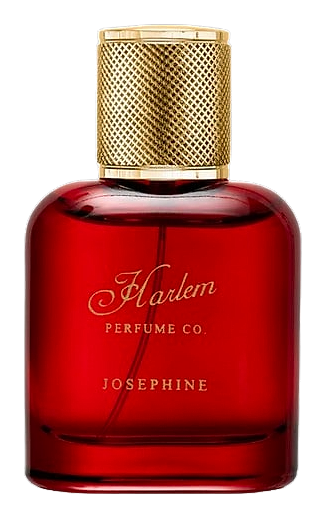
The story of Harlem Perfume Co. begins not with fragrance but with candles. Teri Johnson originally launched Harlem Candle Company, a home fragrance brand also inspired by the neighborhood's cultural legacy. For years, Johnson fielded consistent requests from her existing customer base asking when she would translate her atmospheric storytelling into wearable scent. That question became the seed for the fine fragrance line. In 2022, Harlem Perfume Co. officially entered the fine fragrance category, debuting with Billie as one of its earliest expressions. The move from home fragrance to personal perfume represented a natural evolution, one grounded in the same commitment to narrative and sensory depth that had defined the candle collection. Johnson has spoken about her commitment to honoring the icons of the Harlem Renaissance, their boldness, creativity, and unapologetic brilliance, noting that this ethos shaped every decision from naming conventions to ingredient selection. The brand's expansion brought it to Sephora, where it joined the retailer's curated fragrance assortment. This placement signaled a shift from independent artisan brand to a recognized name within the broader luxury fragrance conversation. The house's catalog has grown steadily, with releases across several years including Duke in 2024 and Josephine in 2023, each named for figures or themes that resonate with Harlem's cultural history. At its core, Harlem Perfume Co. operates from the belief that fragrance is a form of storytelling. Johnson treats each scent as a chapter in a larger narrative about Black excellence, artistic legacy, and the enduring influence of Harlem on global culture. The brand does not design fragrances to follow seasonal trends or market cycles. Instead, each release emerges from a specific cultural reference point, whether that is a person, a musical era, or an attitude associated with the Harlem Renaissance. The philosophy prioritizes emotional resonance over novelty, asking the wearer to connect a scent to a story before connecting it to a price point. This narrative-first approach shapes how the brand talks about its products, how it names them, and how it presents them visually. Johnson has described the brand as a cultural love letter, which suggests a personal and reverential stance toward the source material rather than a purely commercial one. The brand's mission extends beyond profit, positioning each fragrance as a vehicle for preserving and sharing a specific chapter of American cultural history. The philosophy also emphasizes unapologetic boldness, reflecting the spirit of the Harlem Renaissance figures who refused to be diminished or overlooked.