

Heritage
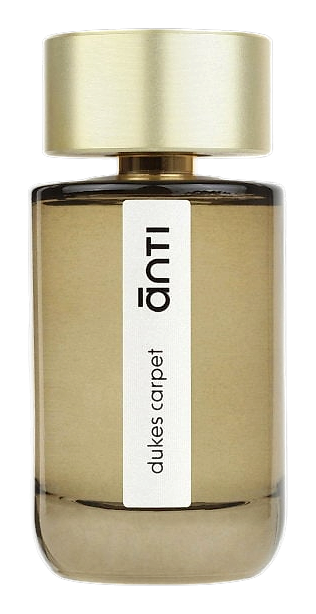
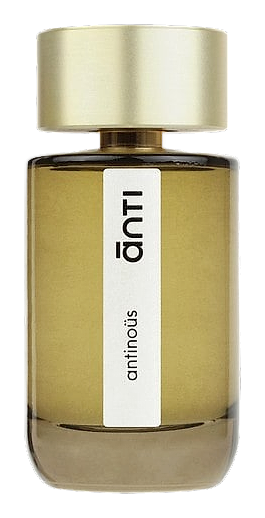
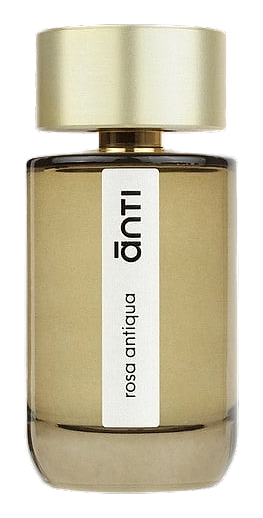
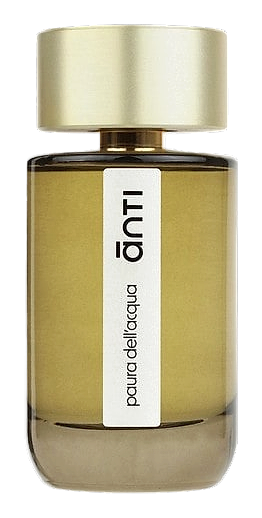
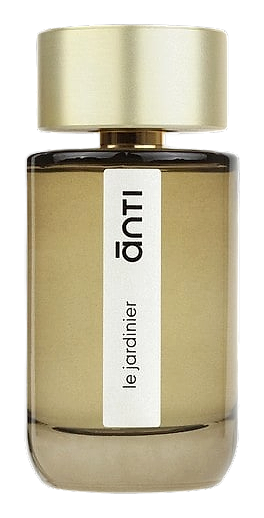
A house, in its own words
The story of ānti begins with two people who found creative alignment in an unexpected place. Brieuc Larsonneur trained as an architect before entering the world of fragrance, bringing a structural, investigative sensibility to scent creation. Larissa Sugaipova, his partner in the venture, shares this methodical approach to olfactory research. Together, they identified a gap in contemporary perfumery: an industry largely focused on flowers, botanicals, and pleasant abstractions had overlooked the most fundamental olfactory material of all, the human body itself. Rather than treating body scent as something to mask, ānti frames it as a subject worthy of study and celebration. The founders began developing their concept of olfactory archaeology, treating historical and biological scent associations as raw material for modern fragrance. Their work attracted attention from established noses in Grasse, leading to collaborations with perfumers Dominique Ropion, Celine Ellena, and Jean-Claude Ellena. The house emerged with a philosophy that treats each fragrance as a proposition, an argument about what perfume can be. Their discovery set, presented as a thesis rather than a catalogue, invites wearers to reconsider their assumptions about scent. The brand's name itself suggests inversion, a questioning of what fragrance means and does. ānti operates from a simple but radical premise: the smells of the human body are worth capturing, not covering. Where most fragrance houses build around flowers, woods, or spices, ānti builds around sweat, salt, and biological presence. This is not provocation for its own sake. The founders argue that human scent has been central to attraction, identity, and ritual throughout history, yet modern perfumery treats it as something to eliminate. Their work inverts this relationship. Each ānti fragrance begins as a question about human olfactory experience. Dukes Carpet, Bast, Paura dell'Acqua, Le Jardinier, Nashi Toro, Rosa Antiqua, and Antinoüs represent different angles of this inquiry. The discovery set functions as a teaching tool, guiding wearers through the brand's argument rather than simply offering options. This thesis-driven approach distinguishes ānti from houses that develop fragrances to match market demand. The founders believe fragrance should challenge as much as it pleases. Their language around olfactory archaeology suggests rigorous study, excavation of overlooked material, and reconstruction of something long dismissed.