The Story
Why it exists.
The beginning
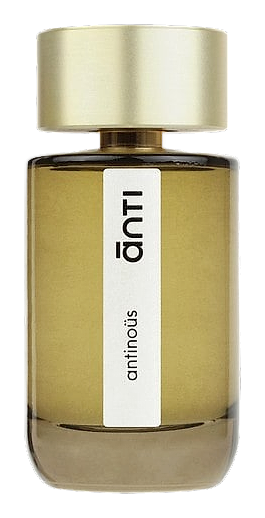
Antinoüs was the boy emperor Hadrian could not stop loving. When he drowned himself in the Nile in 130 AD, giving his life so that Hadrian might live, he became more than a historical footnote. Marc-Antoine Corticchiato built the answer from Mediterranean herbs. Clary sage and common sage form a doubled accord, herbal and slightly camphorated. Cumin and white pepper bring spice. The combination of herbal notes and warm spices creates something that feels alive. The mineral trace threads through the composition, adding depth without overwhelming. It's a fragrance built from materials that feel real, sage and spices layered over a base that holds everything together.
What makes Antinoüs unusual is the wheat absolute in the base. Corticchiato has said he rarely works with this material, which gives it weight here. It brings something almost edible to the drydown, a grain sweetness that feels warm and human against the vetiver's earth and sandalwood's softness. The three sage extracts he combined required what he calls a 'logical, harmonious assemblage' before the woody, musky foundation could reveal the skin-like and animalic facets that give this fragrance its character.
The evolution
The opening hits with the doubled sage, green and slightly medicinal, backed by white pepper that prickles. The cumin arrives and shifts everything toward warmth, toward the spice of skin close to another body. The mineral trace isn't a splash or a cartoon ocean. It's subtler than that, more like the smell of skin after heat, a mineral trace that threads through the spices. The combination creates warmth and presence, herbs and spices layered over a mineral base that anchors everything. By the time the fragrance has settled, the spices have receded but not disappeared. The sandalwood and vetiver form a base that feels woody and grounded without being heavy. The grain and skin note linger closest to the skin, the quietest part of the development. The mineral trace threads through the spices as they settle, becoming more apparent once the aromatic elements have stabilized.
Cultural impact
Antinoüs is built on skin, salt, and spice. The combination creates something that feels alive and present rather than abstract. It's the kind of fragrance that changes depending on who's wearing it, how much is applied, and what else is in the room. That variability is part of what makes it interesting, it doesn't perform the same way every time, which keeps it from becoming predictable. The mineral quality threads through the spices as the fragrance develops, revealing warmth underneath. The herbal notes and pepper keep things sharp and aromatic, with the mineral aspect emerging naturally as the fragrance settles.