Skin
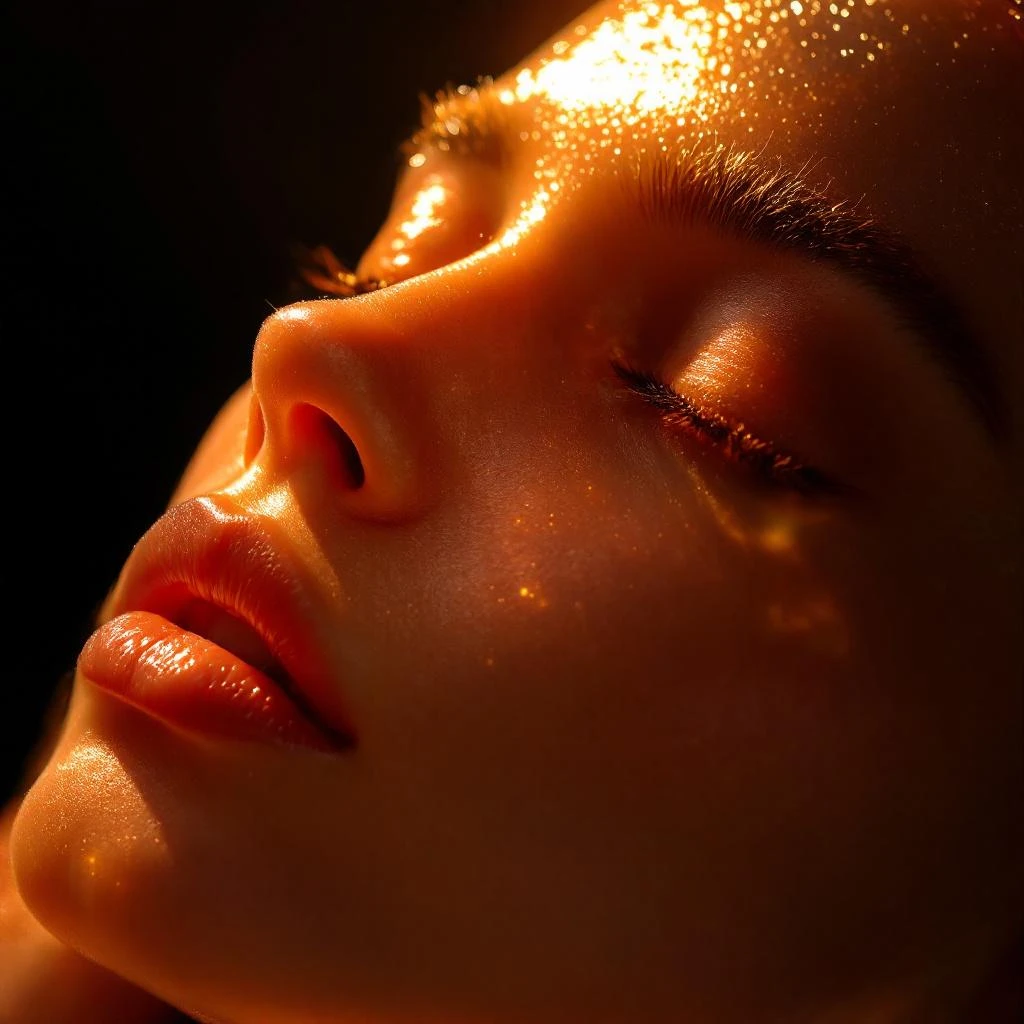
Skin refers to the intimate scent impression a fragrance creates as it melds with body chemistry. Rather than a single ingredient, it describes how perfume behaves on skin, often achieved through musks, ambrette, and cashmeran that evoke warmth and proximity.
Character
How it smells
The intimate whisper where fragrance becomes part of you.
The same perfume smells different on every person because individual skin chemistry, pH levels, and skin type alter how scent molecules evaporate and transform over time.









Origin
Laboratory developed
The concept of 'skin' in perfumery emerged from ancient bathing traditions where scented oils were applied directly to bodies. Egyptians, Greeks, and Romans soaked in fragrant baths, understanding that oils absorbed into skin to create lasting scent.
The ancient Mesopotamian perfumer Tapputi-Belatikallim, documented around 1200 BCE, used flowers, aromatic resins, and calamus combined with oil, recognizing how ingredients interacted with skin as a medium. When natural musk from the musk deer became precious and restricted, perfumers sought synthetic alternatives.
By the late 1800s, chemists produced the first artificial musks from coal tar derivatives, fundamentally changing fragrance design. This shift allowed perfumers to create intimate, close-to-the-body scents that defined modern perfumery's relationship with the physical self.
Wears it best
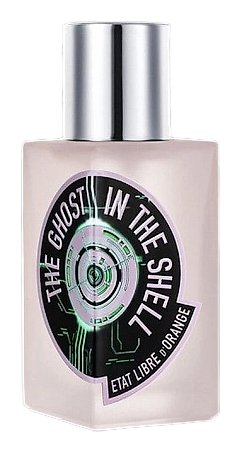
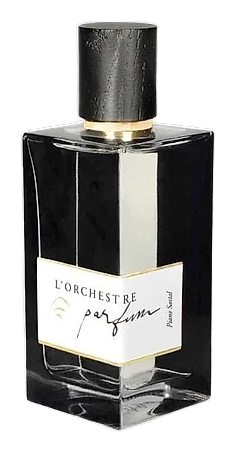
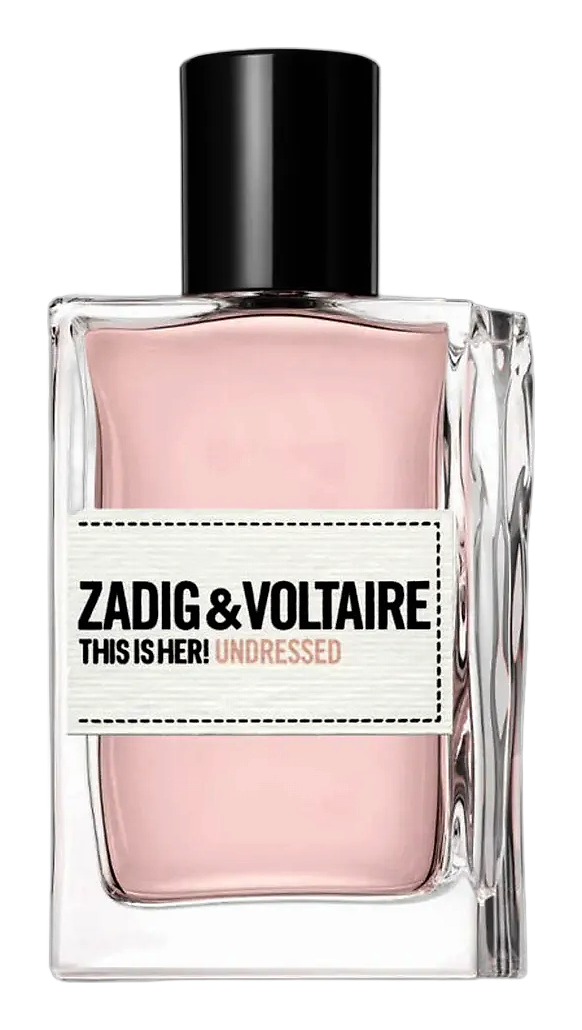
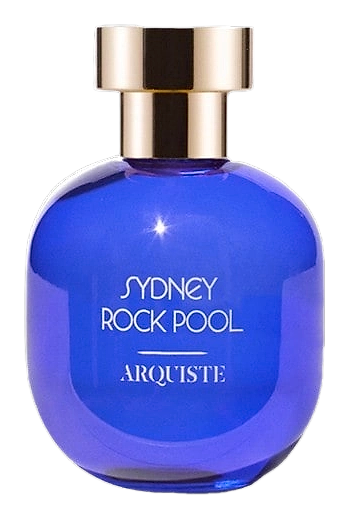
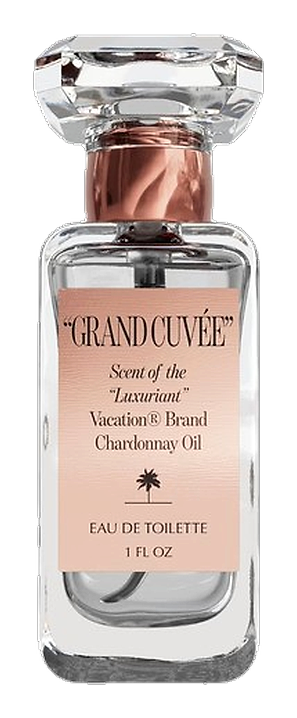
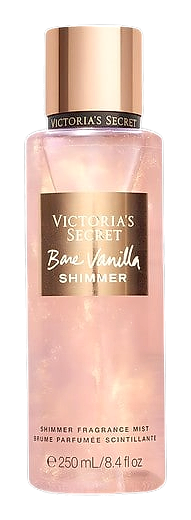
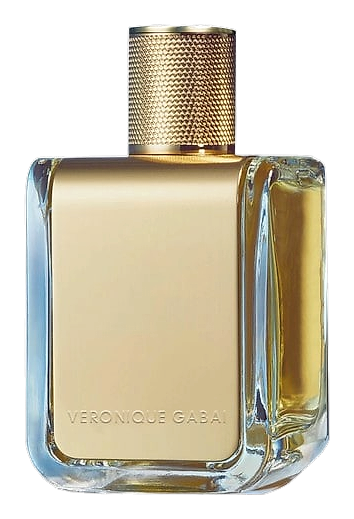
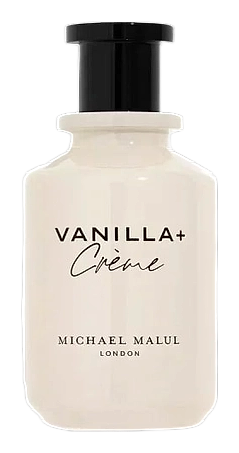
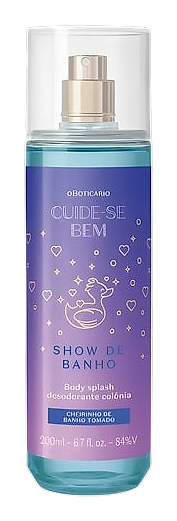
Fragrances featuring Skin



Brands
Brands known for Skin
Good to know
Questions, answered
The essentials on Skin in perfumery: how it smells, where it comes from, and how it behaves on skin.
What does Skin smell like in perfume?
Skin notes smell clean, warm, and intimate, evoking the sensation of closeness. These accords typically feature soft musky, slightly sweet, and powdery characteristics that suggest warmth and human proximity rather than specific botanical or mineral scents.
Why is Skin used in perfumery?
Skin notes create the intimate, close-to-body effect that makes fragrances feel personal rather than overwhelming. Perfumers use them as fixatives that slow evaporation of top notes, extending a fragrance's longevity by approximately 40% while ensuring it wears close to the skin.
Is Skin in perfume natural or synthetic?
Most skin notes are synthetic, created through modern aroma chemistry. While natural musk and ambrette seed exist, their supply is limited and restricted. Synthetic alternatives like Habanolide and Galaxolide provide consistent, safe, and sustainable skin-effect molecules used in over 90% of contemporary fragrances.
What famous perfumes contain Skin?
Skin accords appear in countless fragrances, from minimalist scents like Escentric Molecules Molecule 01 to warm, sensual compositions like Narciso Rodriguez For Her. Clean Skin by Reckitt and Philosophy Amazing Grace also heavily feature skin-effect musks to create intimate wear experiences.
Is Skin a top note, heart note, or base note?
Skin functions primarily as a base note, providing the foundation that anchors a fragrance to the body. Musks and skin-effect molecules typically appear in the dry-down phase, becoming most prominent 30-60 minutes after application as top notes fade.
What notes pair well with Skin in perfume?
Skin notes blend exceptionally well with warm woods, soft florals, and lactonic accords. Cedarwood amplifies skin's warmth, while iris adds powdery softness. Vanilla and tonka bean enhance the cozy intimacy, and subtle citrus prevents skin accords from becoming heavy.
How is Skin extracted?
Skin effects are not extracted but chemically synthesized in laboratories. Manufacturers produce aroma chemicals like white musks through controlled reactions using petrochemical or biotech-derived starting materials, achieving specific molecular weights that interact optimally with skin chemistry.
Is Skin used in men's or women's fragrances?
Skin notes appear universally across fragrances for all genders. Clean, skin-like musks often appear in unisex and feminine fragrances, while warmer, earthier skin effects with animalic undertones dominate masculine and unisex compositions. Modern perfumery rejects rigid gender boundaries for skin accords.