The Story
Why it exists.
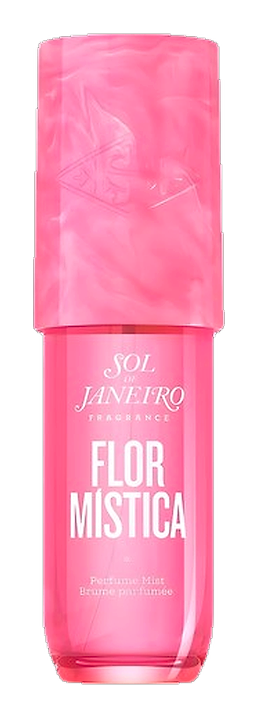
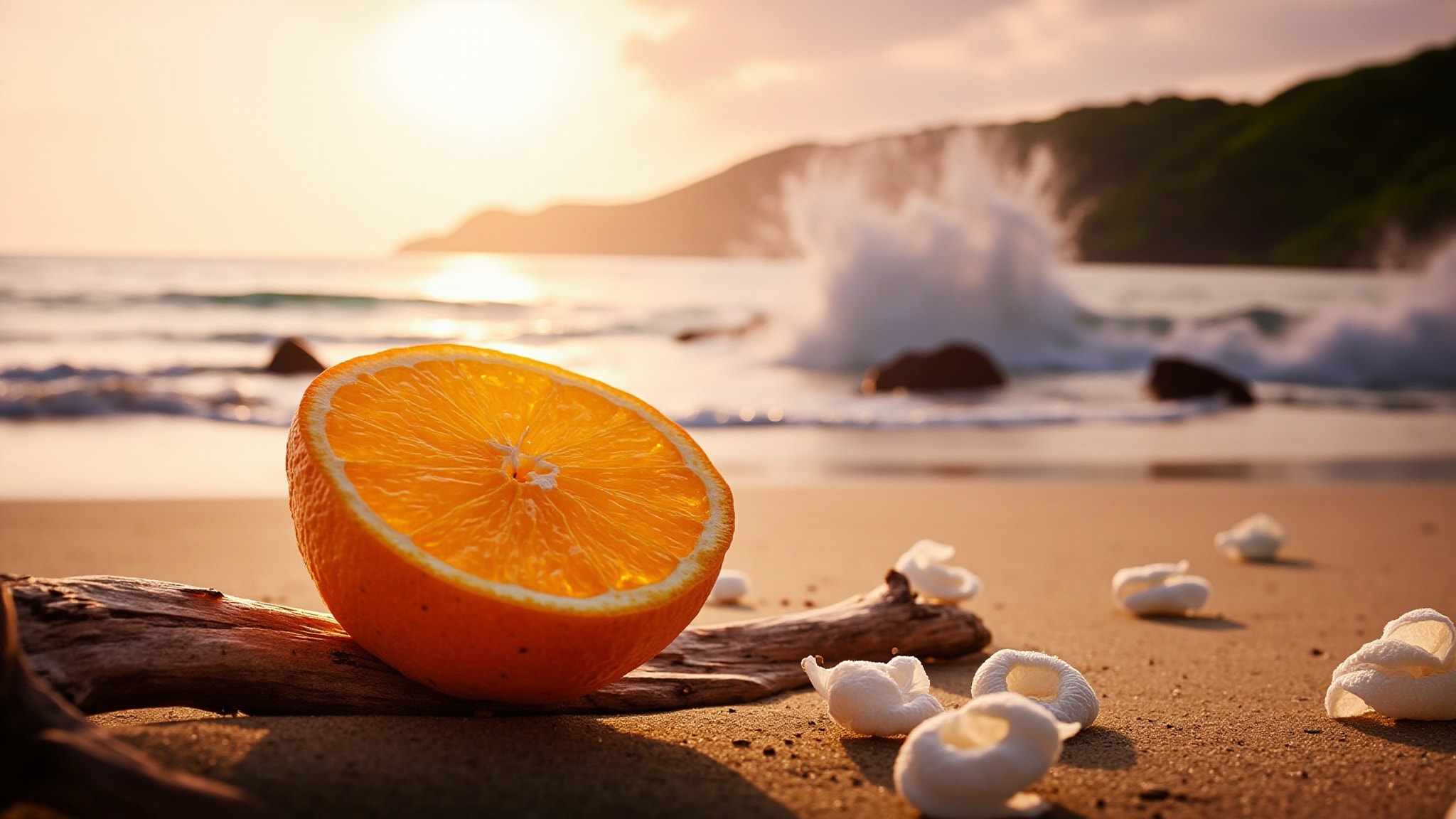
Água Mística was born from a specific corner of Brazil. Prainha Beach, a stretch of coastline south of Rio, with crystal waters and golden sands. Sol de Janeiro brought the idea to Jérôme Epinette: translate that water, the mineral clarity of it, the heat-reflected light. Epinette built the opening around tangerine and white pineapple, crisp and sunlit. Then came the question that shaped everything: how to capture the atmosphere of that place. Neroli water came in, bringing the floral without the force. The composition opens with that bright citrus and tropical fruit brightness, then moves into something softer. There's a mineral undertone that keeps the florals from feeling overwrought, and the whole thing stays close to the skin rather than projecting outward.
If this were a song
Community picks
Ins高的
Jao
The Beginning
Água Mística was born from a specific corner of Brazil. Prainha Beach, a stretch of coastline south of Rio, with crystal waters and golden sands. Sol de Janeiro brought the idea to Jérôme Epinette: translate that water, the mineral clarity of it, the heat-reflected light. Epinette built the opening around tangerine and white pineapple, crisp and sunlit. Then came the question that shaped everything: how to capture the atmosphere of that place. Neroli water came in, bringing the floral without the force. The composition opens with that bright citrus and tropical fruit brightness, then moves into something softer. There's a mineral undertone that keeps the florals from feeling overwrought, and the whole thing stays close to the skin rather than projecting outward.
What makes this composition interesting is the base material. Salt as a note is common. The salty skin accord is less so. The salt here works as a warmth carrier, the thing that makes the florals read as skin-warm rather than garden-cut. White cedar extract handles the drydown in a way that keeps the whole thing grounded. Cedar reads clean, slightly resinous, dry in the way fresh wood is dry. Combined with the salt trace, it creates an abstract skin-memory that feels distinctly different from typical aquatic fragrances. The pineapple adds just enough sweetness to keep it from going austere.
The Evolution
The opening hits like sunlight on water. Tangerine and neroli water arrive together, bright and astringent, with pineapple hanging just underneath. It's effervescent. That quality fades over the first hour as jasmine and peony warm up. Here's the turn: the florals don't linger long. Peony in particular pulls duty rather than taking center stage, it softens the jasmine, then steps aside. What fills that space is the salty skin accord, and that's when the fragrance commits to what it actually is. Salt-forward. Intimate. Not aquatic in the marine sense. More mineral and warm. White cedar arrives last, quiet and dry, and then the scent lives in its base for a while. The sillage sits moderate throughout, which suits the fragrance's character. It doesn't announce. It keeps close. On dry skin, the salt and cedar can push forward as the fruit fades. On some, it reads brighter for longer.
Cultural Impact
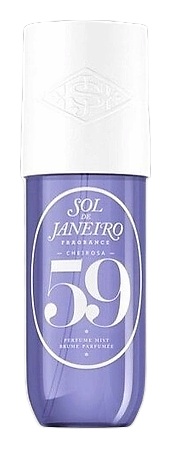
Sol de Janeiro built its empire on the Cheirosa mist phenomenon, turning Brazilian beach culture into a recognizable scent identity. Água Mística fits squarely in that lineage but pushes toward something grittier. This release opts for mineral and salt, creating a different energy from the sweeter entries in the line. Rather than projecting outward, it asks to be discovered on someone close. The fragrance moves from bright citrus into warm florals, then settles into a quiet base of salt and cedar. It's intimate by design, built to stay close rather than announce itself across a room.

The House
United States · Est. 2015
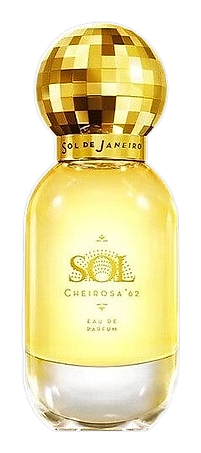
Sol de Janeiro is a fragrance and body care brand founded in 2015 that draws its identity from Brazilian beach culture and the concept of joyful self-acceptance. The company rose to prominence through its Cheirosa fragrance line, building a loyal following around scents inspired by Brazilian ingredients like pistachio, vanilla, orchid, and sandalwood. Sol de Janeiro entered Sephora shelves in 2017 and experienced significant growth through its perfume mist category, which became a cultural phenomenon particularly among younger consumers. The brand achieved reported sales exceeding $1 billion by 2024, driven by viral popularity of mists like Cheirosa 62 and Cheirosa 68. By 2025, the company had expanded into full fine fragrance with edp formats while maintaining its positioning as a lifestyle brand centered on sensory experience and body positivity.
If this were a song
Community picks
A bright, warm score that moves between citrus clarity and soft mineral warmth. Think late afternoon at the water's edge, no urgency, just the fade from heat into something quieter. The playlist follows that arc: open and effervescent, then settled and close
Ins高的
Jao