The Story
Why it exists.
The beginning
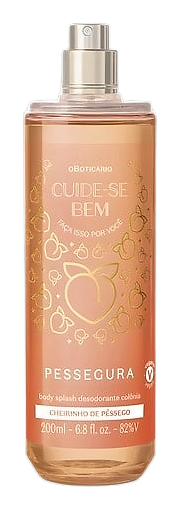
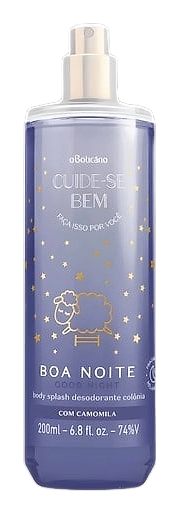
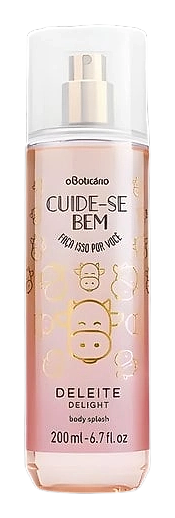
Cuide-se Bem translates to "take good care of yourself", a philosophy, not a fragrance family. Show de Banho means bath time. Together, the name is a directive: slow down, wash the day off, and smell like the best version of that ritual. O Boticário built Cuide-se Bem around the idea that daily rituals deserve beautiful scents, not afterthoughts. Show de Banho is the line's answer to anyone who wants the freshness of a morning shower to stick around past noon. It's not about projecting or performing. It's about arriving at yourself.
The notes, flowers and skin, read almost like a tautology. Flowers on skin. But that simplicity is the point. O Boticário didn't reach for complexity here. The brand understood that "smelling like a bath" is a specific, coveted thing in Brazilian fragrance culture, and the way to get there is to stop reaching. The floral layer is warm and familiar, not bright or sharp. The skin accord is the invisible architecture holding everything together, the warmth of a body, the quiet after the water stops running.
The evolution
The opening arrives clean. Not sharp, not citrusy, just florals that feel like they've already been living on your skin for an hour. There's an immediacy to it, a comfort. Within twenty minutes the powdery quality rises, soft and warm, brushing against that skin-warm base. The handoff is seamless. What began as a shower becomes something closer. The drydown is where this fragrance earns its name. Musk and powder settle into the natural warmth of the body, fading to something that reads as skin, not perfume. On fabric it lingers quietly into the next morning.
Cultural impact
Show de Banho lives in the overlap between skincare and fragrance, a category O Boticário has leaned into across the Cuide-se Bem line. In Brazil, the "smell clean" moment is a cultural reference point, tied to concepts of self-care and daily ritual rather than occasion-wearing. This fragrance doesn't fight that framing. It leans in. For international audiences, it offers an entry point into Brazilian fragrance culture through the most universal gesture imaginable: the bath.