The Story
Why it exists.
The beginning
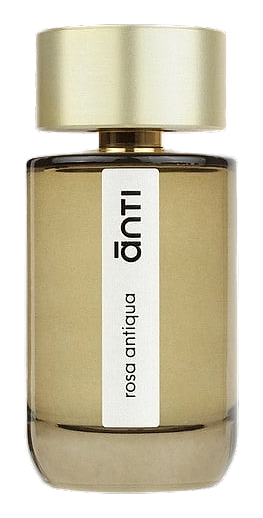
Rosa Antiqua began as a question about what was lost. The ancient Romans built their compositions around pressed olive oil, beeswax, and floral absolutes, materials that feel foreign in a modern context built on alcohol and synthetic diffusion. The perfumer wanted to know what that actually smelled like. Not a recreation, that's a different project. A translation. What would a Roman perfumer recognize in a modern fragrance? The answer started with blackcurrant, a tart, bright note that serves as the entry point, and built outward from there into a structure designed to feel excavated rather than composed.
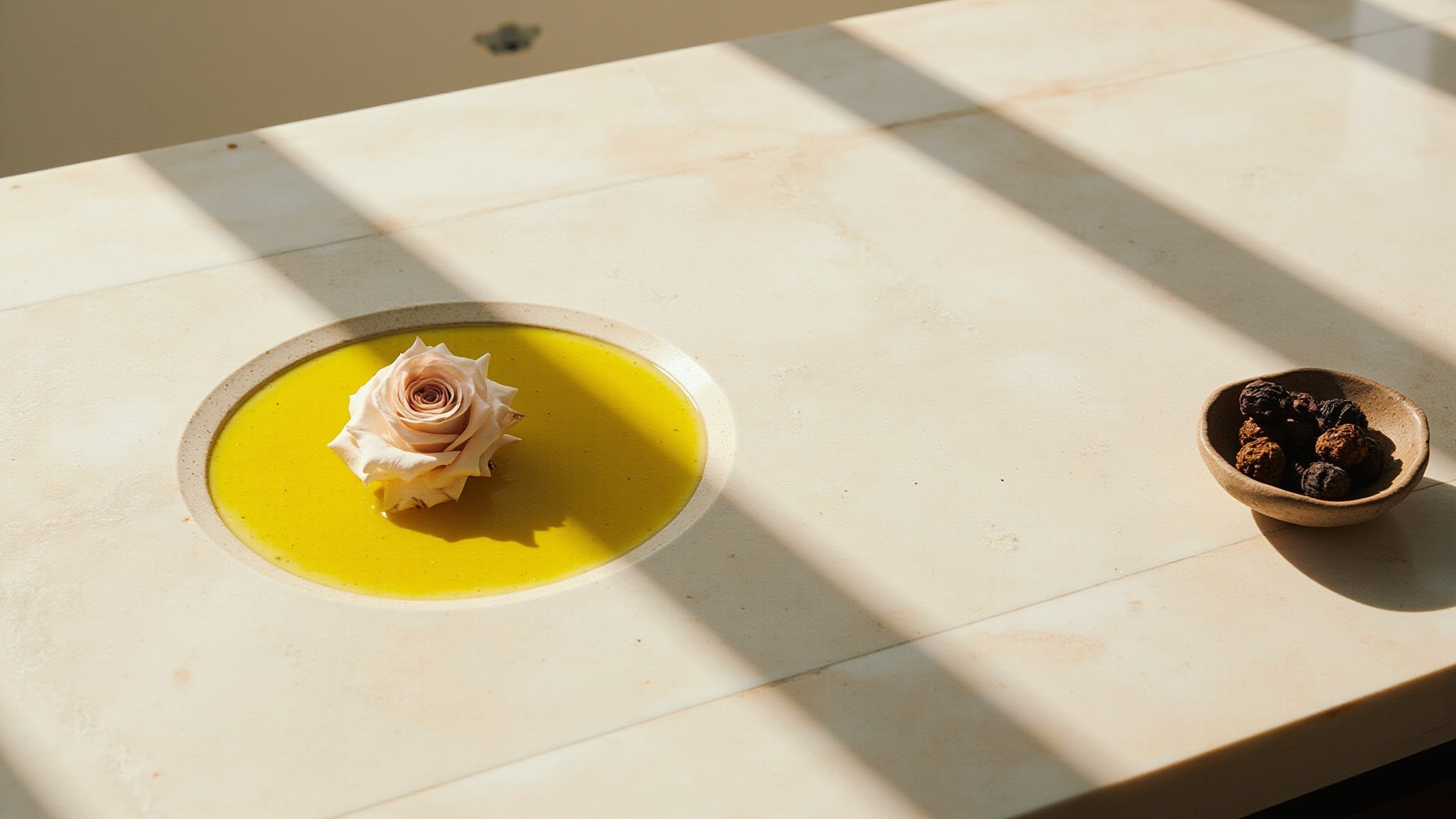
The Damask rose absolute is the heart of this choice, and it's not the rose you know from classical perfumery. Here it's heavier, waxier, almost oleaginous, the texture of rose petals macerating in actual oil rather than floating in alcohol. Cashmeran adds warmth without weight, a soft fabric note that keeps the rose from becoming too heavy on skin. The olive oil accord is the statement piece: green, slightly bitter, with the mouthfeel of real pressed oil. Birch provides the final twist, a smoky quality that adds depth and complexity.
The evolution
The opening hits like a thumb pressing into blackcurrant. Tart, bright, almost acidic, the fruit doesn't whisper, it announces. Within minutes the Damask rose takes over, and the character shifts entirely. The rose here isn't delicate or watery; it's dense, waxy, the texture of petals pressed between the pages of a very old book. The Cashmeran softens everything underneath, a warm fabric that prevents the rose from becoming too heavy. The olive oil accord emerges slowly, creeping into the composition like something that was always there, waiting. By the drydown, the rose has settled into the oil and the birch ash has arrived, a quiet, ashy finish that lingers close to the skin for hours. The Cashmeran continues to wrap everything in warmth throughout the development.
Cultural impact
ānti occupies a specific corner of the fragrance world: serious, slightly academic, uninterested in comfort as a selling point. Rosa Antiqua represents a departure, ānti engaging with ancient botanical perfumery, and it demonstrates what happens when the house turns its attention to something other than its usual materials. The olive oil-rose axis draws inevitable comparisons, though the intention here is different. It's not trying to be strange for effect. It's trying to be accurate to something lost, and it arrives with the same rigorous approach that defines everything ānti does.










