Olive
A Mediterranean pillar with a green, waxy scent and a 4,000-year role in perfumery, olive bridges ancient ritual oils and contemporary niche compositions with quiet authority.
Character
How it smells
Ancient green gold of the Mediterranean
Olive oil was the primary fat used by both Egyptians and Romans to extract fragrance from botanicals, making it one of perfumery's oldest solvents.









Origin
Greece
Olive holds one of the longest continuous relationships with human fragrance culture of any plant. Archaeological evidence from the earliest known perfume factory at Pyrgos, Cyprus, built around 2000 BCE, shows olive oil being used as a base for infusing aromatic botanicals. Egyptian and Roman perfumers relied on olive oil as their primary fat for enfleurage-style extraction, macerating flowers and resins into the oil to capture their scent.
The tree itself, native to the eastern Mediterranean, spread westward with Phoenician traders and Greek colonization, carrying its fragrance applications along with its culinary value. By the classical period, olive oil perfumed bathhouses across Greece and Rome, where citizens applied scented oils to skin and hair as part of daily grooming. During the 19th century, industrialization transformed olive farming across Andalusia and southern Italy, expanding production capacity and creating consistent supplies for both cosmetic and perfume sectors.
The green, slightly bitter scent of olive wood and leaf eventually inspired modern perfumers building Mediterranean and chypre structures. Today, olive functions as both a historical reference and a living ingredient in contemporary niche compositions.
Wears it best
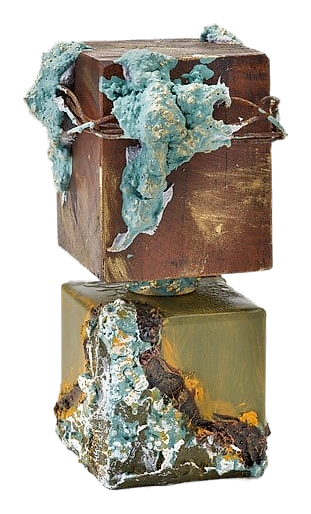
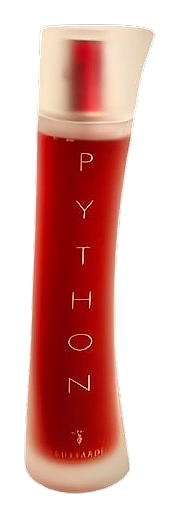
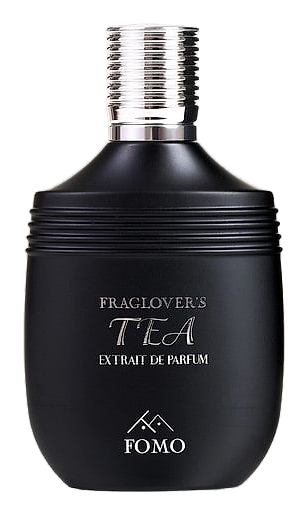
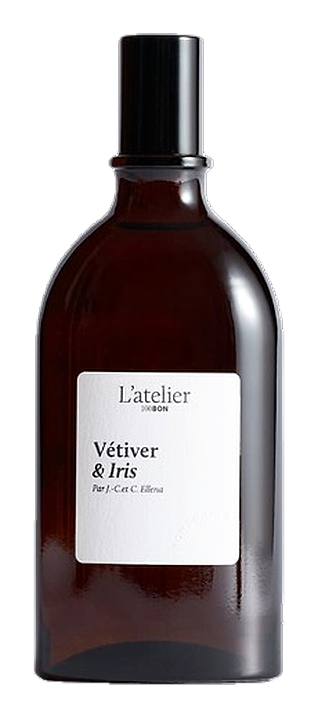
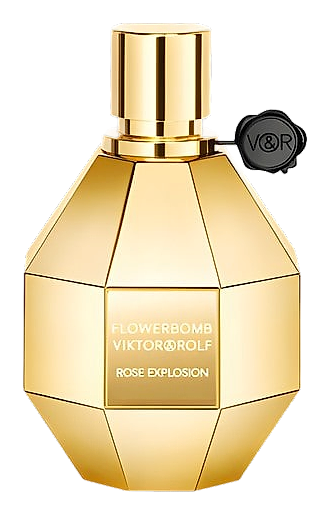
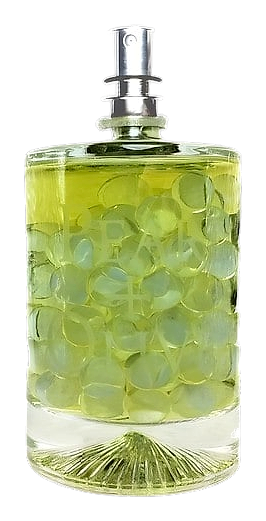
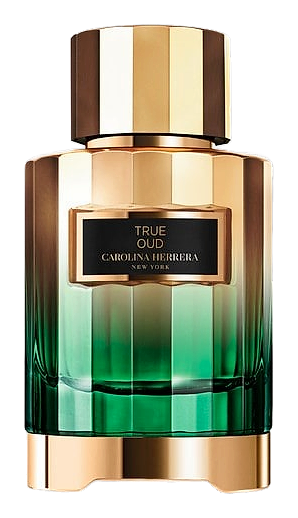
Fragrances featuring Olive
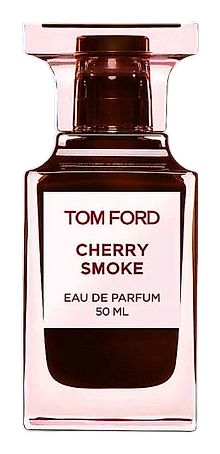
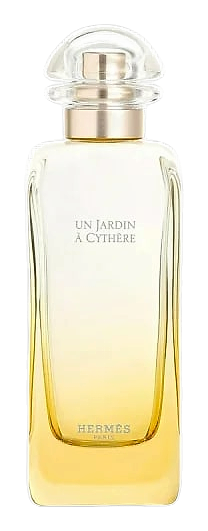
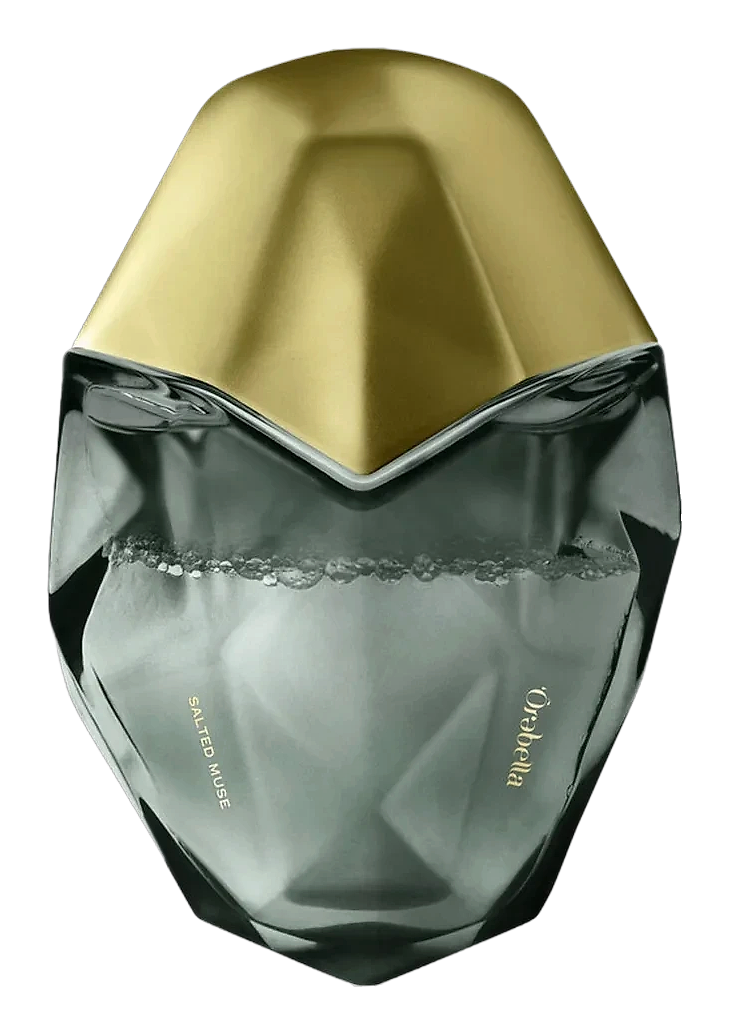
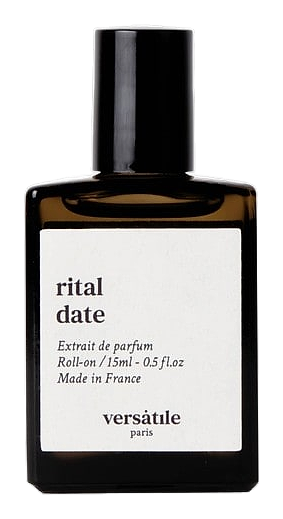
Brands
Brands known for Olive
Good to know
Questions, answered
The essentials on Olive in perfumery: how it smells, where it comes from, and how it behaves on skin.
What does olive smell like in perfume?
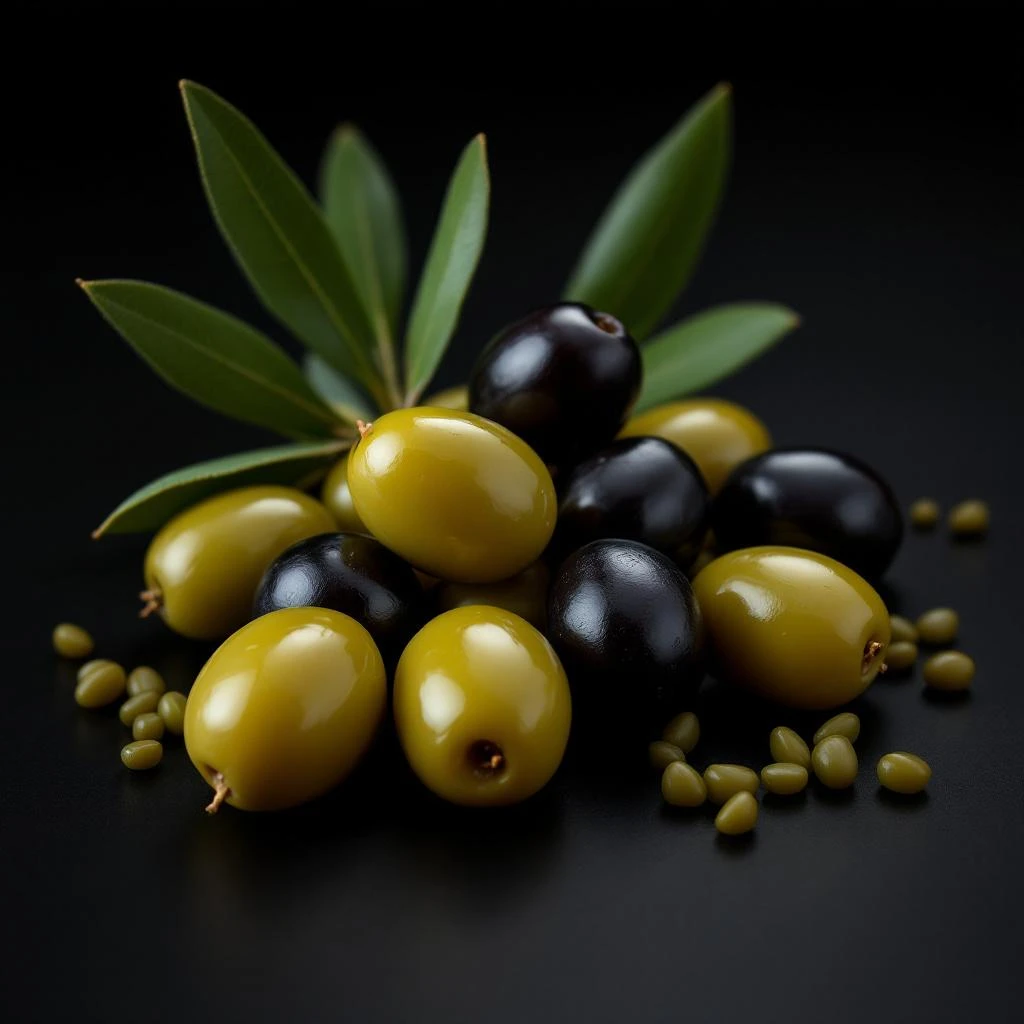
Olive in fragrance smells green, waxy, and slightly bitter, with grassy, herbal, and fruity facets. Fresh leaf notes carry a sharper herbal edge, while olive fruit oil adds a soft, fatty roundness reminiscent of fig leaves or crushed stems.
Is olive a common note in perfumery?
Olive appears more often in niche and Mediterranean-inspired compositions than mainstream launches. It functions as a supporting accord rather than a headline note, contributing green, vegetal depth to chypre and herbal structures.
Where does olive for perfume come from?
Most perfumery-grade olive material originates in the Mediterranean basin, particularly Spain, Italy, Greece, and Tunisia. Greece is considered the ancestral home of Olea europaea, with cultivated groves dating back thousands of years.
How is olive oil used in fragrance making?
Historically, olive oil served as a solvent for macerating flowers and resins to capture their scent, a technique documented in Egyptian and Roman practice. Today it appears both as a historical reference and as a cold-pressed note in niche compositions.
Is olive a top, heart, or base note?
Olive typically performs as a heart-to-base note due to its waxy, slightly heavy character. Green leaf extractions can lift toward the top, while oil-based expressions anchor compositions with lasting depth on skin.
Does olive oil have a scent or is it odorless?
Extra virgin olive oil carries a distinct aroma: grassy, peppery, and sometimes almond-like, driven by volatile compounds like hexanal. Refined olive oil loses most of these aromatics during processing.
What's the difference between olive fruit and olive leaf in perfumery?
Olive fruit yields a fatty, waxy, slightly fruity character through cold pressing. Olive leaf produces a greener, more herbaceous and slightly medicinal profile through steam or CO2 extraction. Both come from the same tree but offer different olfactory tools.
When was olive first used in perfumery?
Olive oil was used to extract fragrances by Egyptians and Romans, with evidence from the Pyrgos factory in Cyprus around 2000 BCE. This makes it one of perfumery's oldest documented carrier substances.