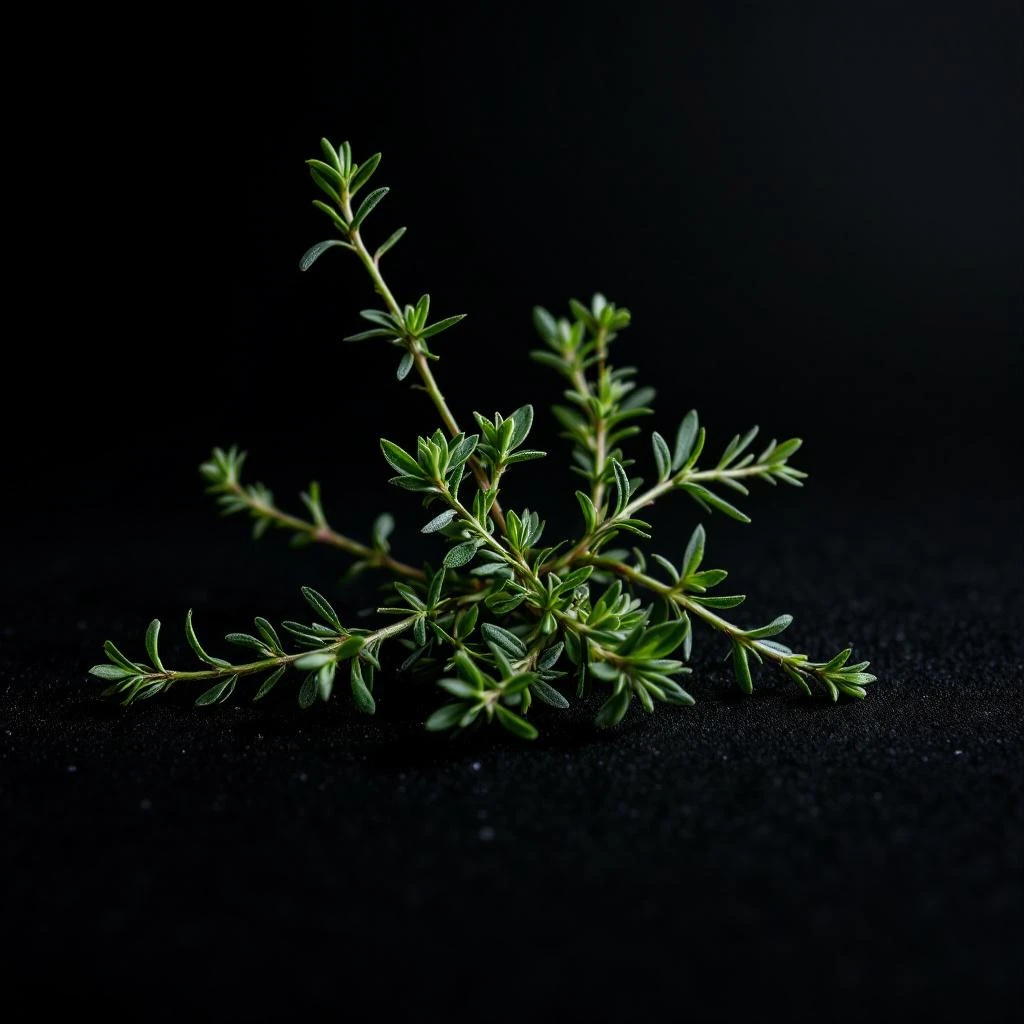
Common Sage
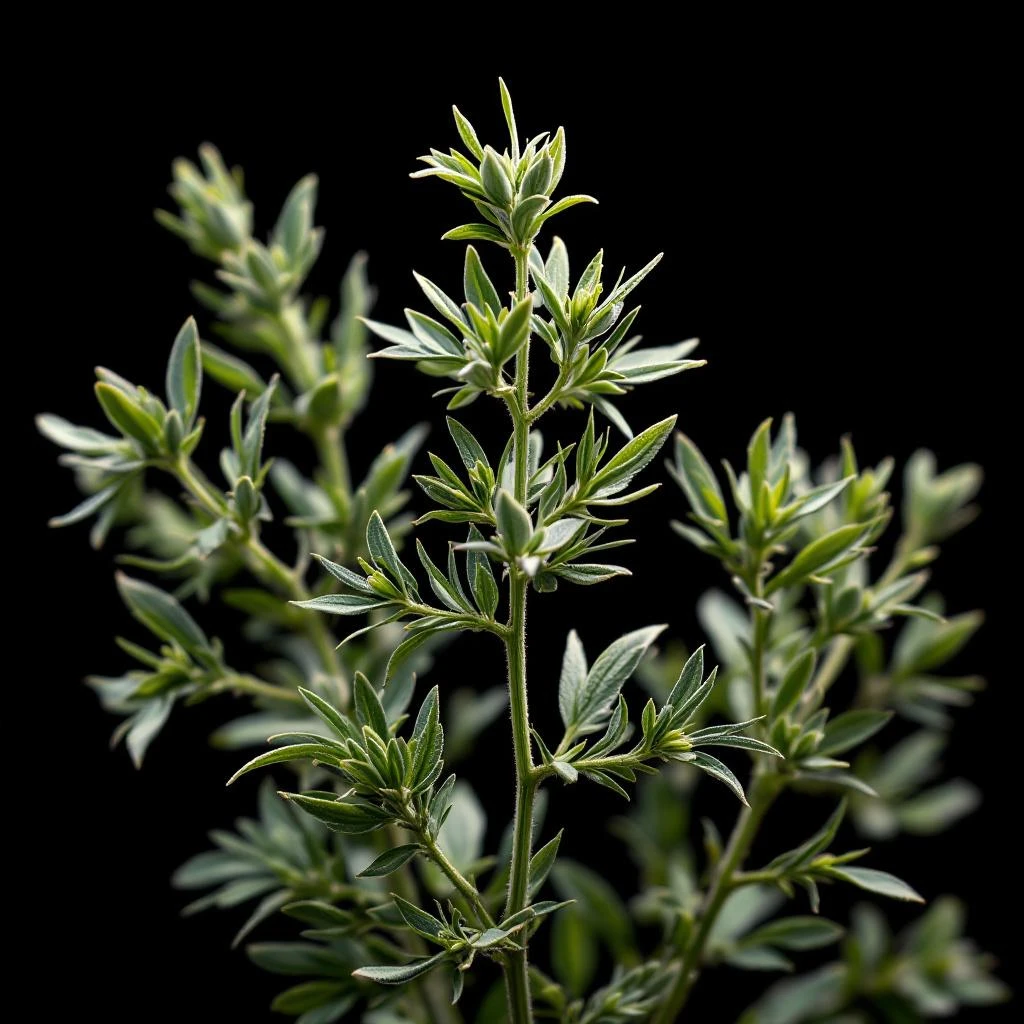
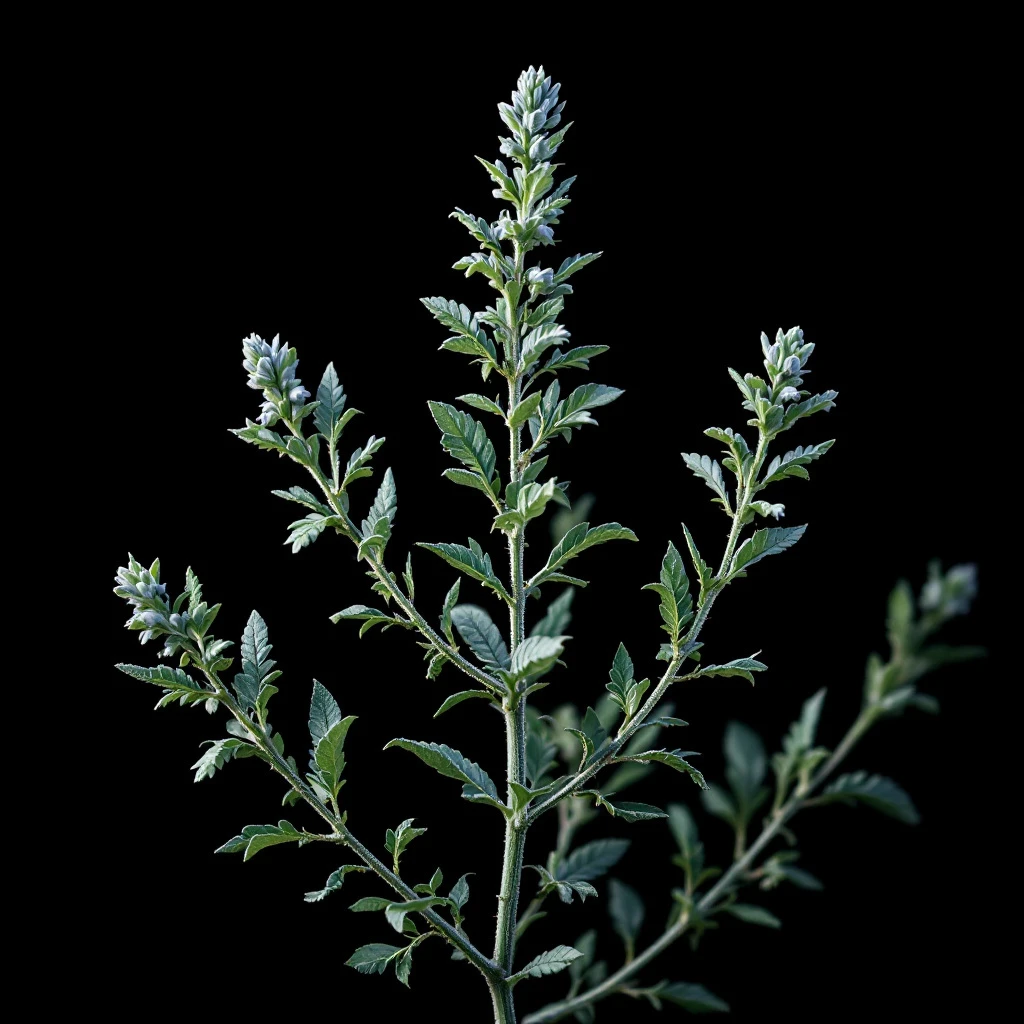
Common sage delivers an aromatic, camphoraceous punch to fragrances. Its sharp, herbaceous character blends earthy warmth with a clean, almost medicinal freshness. Native to the Mediterranean, this botanical has anchored perfumery for centuries as both an aromatic and a bridge note.
Character
How it smells
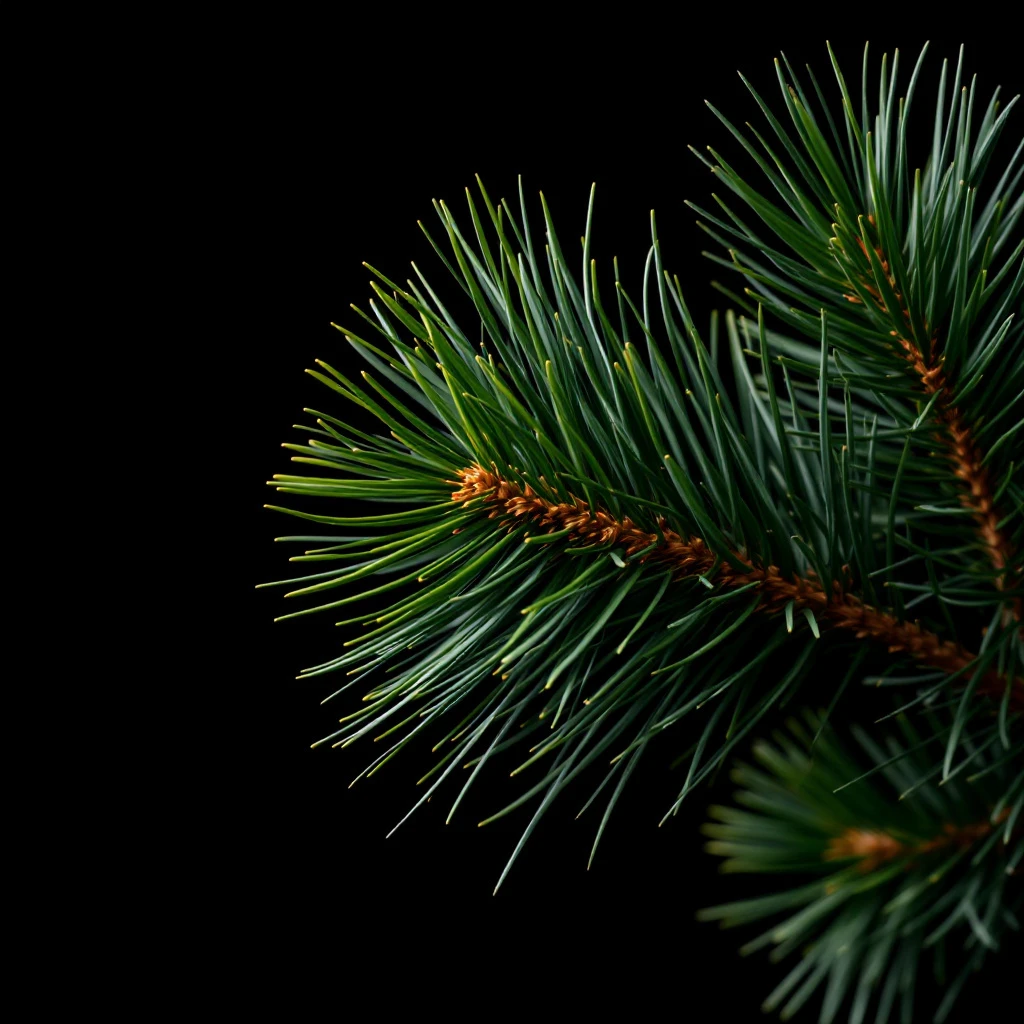
Sharp, herbaceous, and unmistakably Mediterranean.
The name Salvia comes from the Latin salvare, meaning 'to save' or 'to heal,' reflecting its ancient reputation as a medicinal powerhouse.


Origin
Croatia
Common sage traces its roots to the sun-drenched hillsides of the Mediterranean, particularly the Balkan Peninsula. Ancient Romans considered it sacred, burning it during rituals and using it to treat wounds, digestive ailments, and throat infections. Roman soldiers carried sage into battle as a field remedy.
The botanical name Salvia derives from the Latin salvus, meaning safe or healthy, a testament to its reputation across antiquity. Medieval herbalists planted it in monastery gardens across Europe, and it became a staple in culinary and medicinal traditions from Spain to England. By the 19th century, European perfumers began systematically incorporating sage essence into colognes and herbal compositions, drawn to its clean, bracing character that cut through heavier base notes.
Today, Dalmatian sage remains the benchmark quality, grown extensively along Croatia's Adriatic coast, where the limestone-rich soil and coastal climate produce leaves with exceptional aromatic concentration.
Wears it best
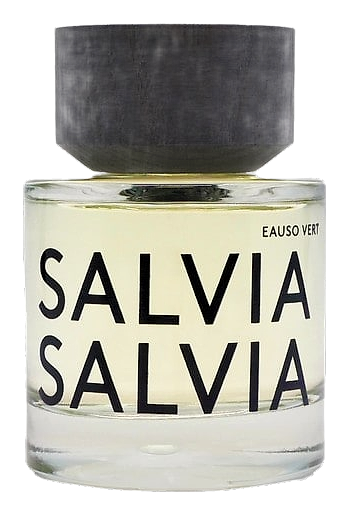
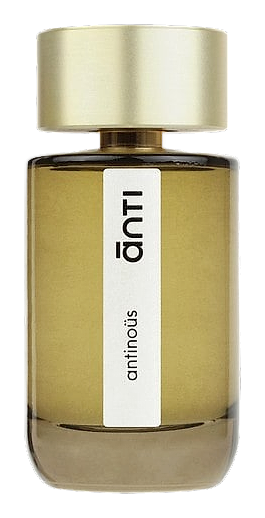
Fragrances featuring Common Sage
Brands
Brands known for Common Sage
Good to know
Questions, answered
The essentials on Common Sage in perfumery: how it smells, where it comes from, and how it behaves on skin.
What does common sage smell like in perfume?
Common sage reads as sharp, herbaceous, and camphoraceous. The aroma carries an almost medicinal cleanliness with undertones of eucalyptus and bitter mint. It provides a natural, outdoor freshness that anchors aromatic and fougère fragrances.
How does common sage differ from clary sage?
Common sage and clary sage come from different species and smell distinctly different. Common sage (Salvia officinalis) is sharp and camphoraceous. Clary sage (Salvia sclarea) is softer, sweeter, and distinctly floral with warm, nutty qualities. Perfumery uses them for different structural roles.
Is common sage a natural or synthetic fragrance ingredient?
Common sage is natural, extracted via steam distillation of dried Salvia officinalis leaves. No synthetic replicate fully captures its complex, camphoraceous profile. Most fine fragrances using sage specify natural origin on the ingredient declaration.
Which fragrance families commonly use common sage?
Aromatic and fougère families use common sage most frequently, particularly in men's colognes and sports fragrances. It also appears in chypre and selected oriental compositions where perfumers seek a natural, herbaceous lift in the top or heart notes.
What extraction method produces sage essential oil for perfumery?
Steam distillation is the dominant method. Dried sage leaves are subjected to live steam, which liberates volatile aromatic compounds. The condensate separates into essential oil and hydrosol. Solvent extraction yields a sage absolute with richer, more complex material for niche fine fragrance use.
What volatile compounds define sage's scent profile?
Thujone (alpha and beta forms) dominates common sage's aroma, responsible for its sharp, almost pine-like quality. Supporting compounds include camphor, 1,8-cineole (eucalyptus-like), and bornyl acetate. This combination produces the characteristic bitter-fresh scent recognized in aromatic fragrances.
What scents pair well with common sage in fragrance formulation?
Common sage combines naturally with other Mediterranean aromatics like lavender, rosemary, and thyme. It also pairs with citrus oils, oakmoss, coumarin, and woody base materials. These pairings create balanced aromatic compositions common in traditional fougère and men's fragrance design.
Why do perfumers choose common sage over synthetic alternatives?
Synthetic fragrance materials cannot fully replicate common sage's multidimensional profile. Natural sage essence delivers a volatile, evolving character with subtle batch variation that synthetic replicates flatten. This authenticity appeals to perfumers building complex, natural-leaning aromatic fragrances.