Montezuma Pine
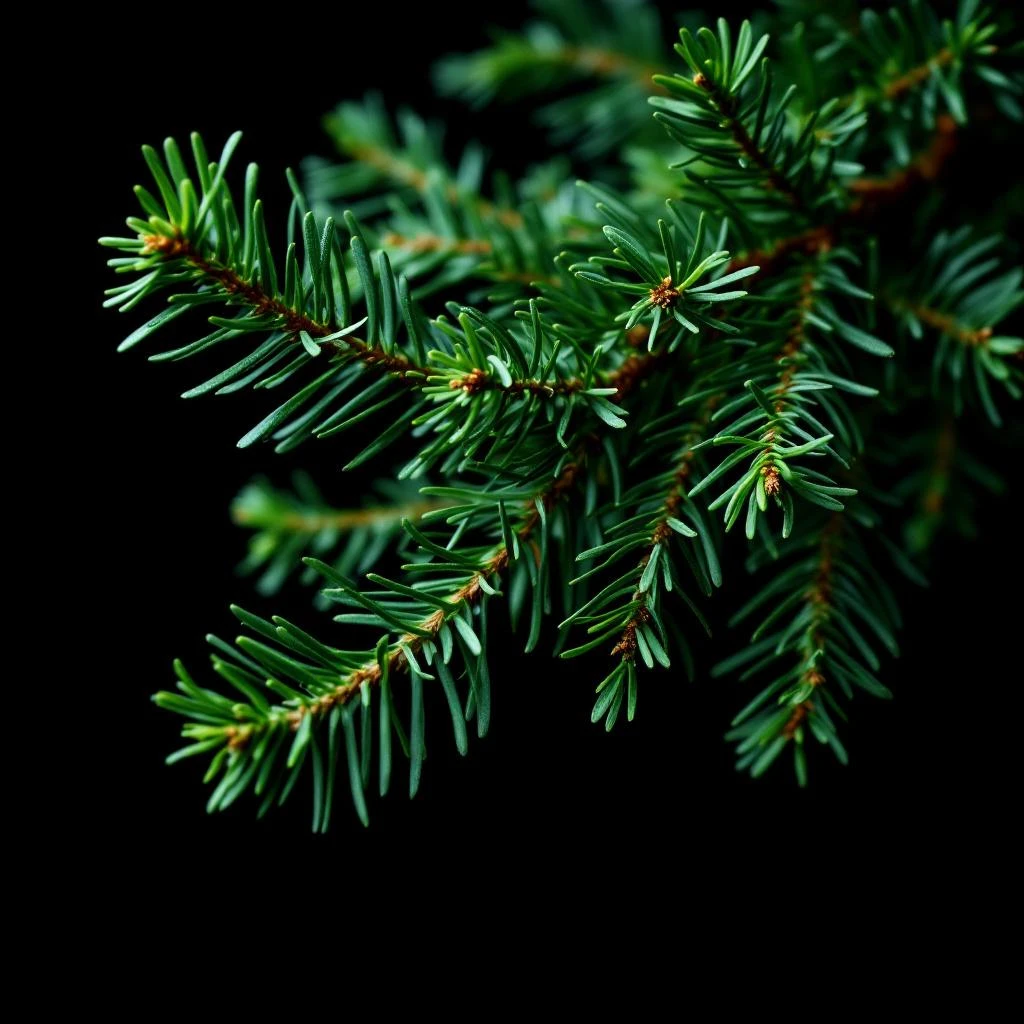
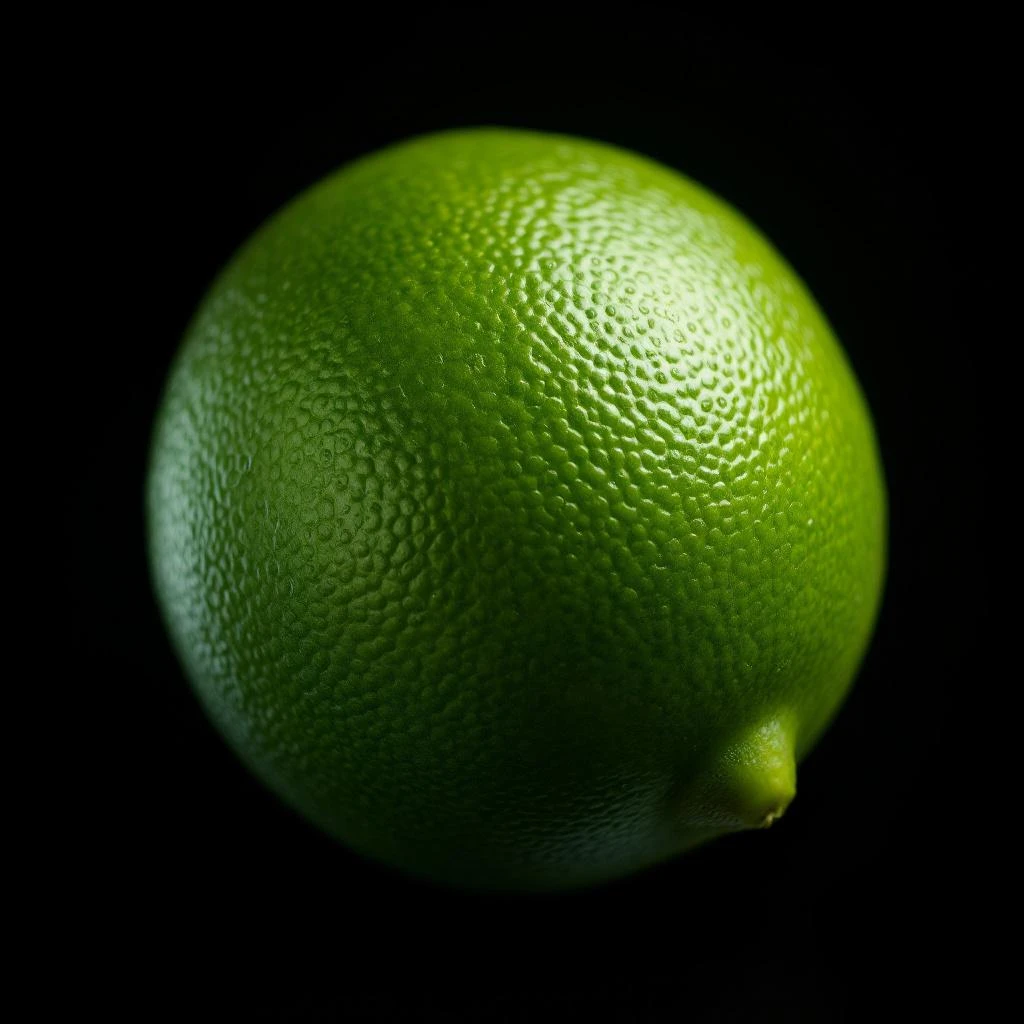
Austere and bracing, Montezuma Pine captures the rugged spirit of Mexican highland forests. Resinous and slightly citrus with a dry woody finish that carries the weight of ancient ritual.
Character
How it smells
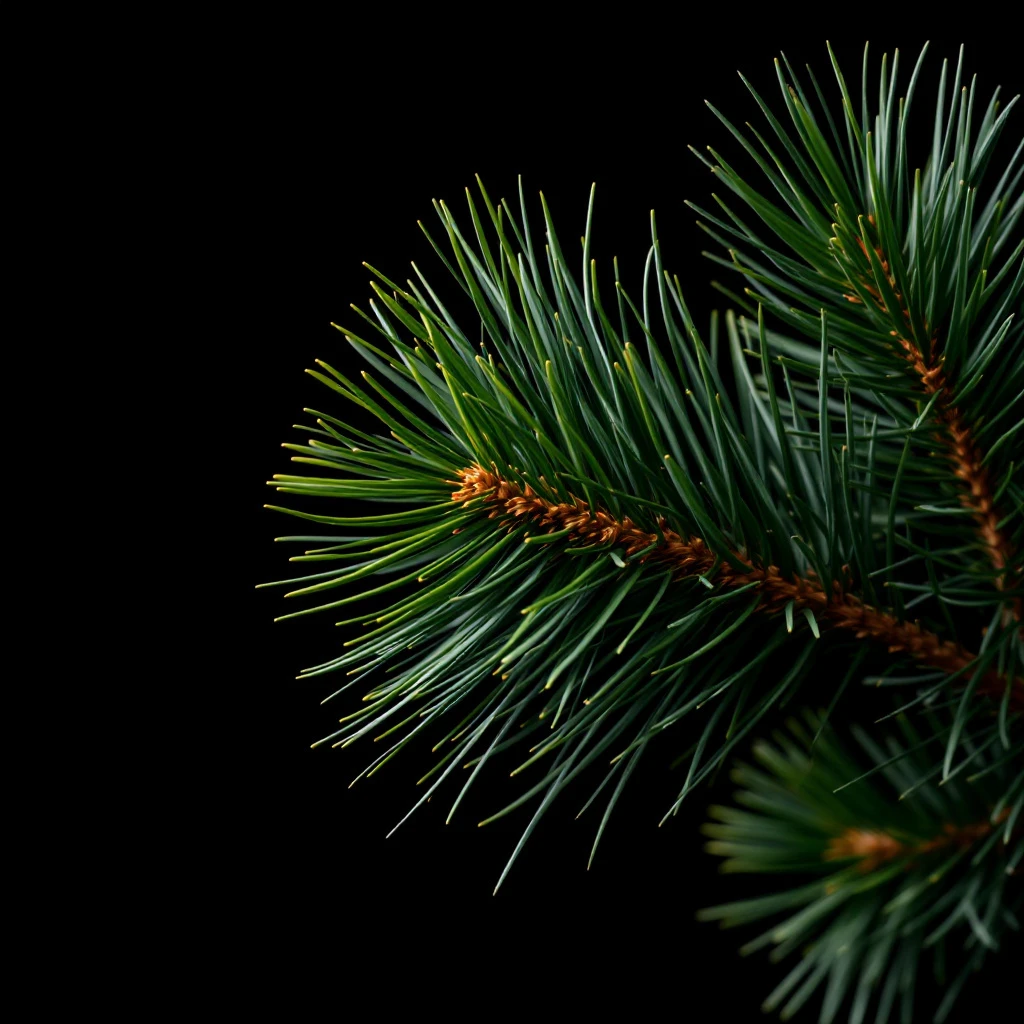
Highland resin from Montezuma's forests
Pine was the original aromatic in Montezuma's court. Aztec nobility burned pine needles during rituals and perfumed themselves with the smoke.



Origin
Mexico
Montezuma Pine carries the aromatic legacy of ancient Mesoamerican perfumery. Aztec women of noble rank wore perfumes made from pine needles blended with copal gum, amber, and balsam oils, annointing themselves during ceremonial occasions to signal status and invoke spiritual presence. The ingredient name preserves this indigenous heritage, honoring the civilization that first elevated pine from practical medicine to ceremonial art.
Montezuma II, the ninth Aztec emperor, ruled during the empire's peak and would have encountered these aromatic traditions in the imperial court at Tenochtitlan. Pine trees held cosmological significance in Aztec belief systems, their evergreen canopies symbolizing continuity between earthly and divine realms. When Spanish conquistadors arrived in the early 1500s, they encountered sophisticated aromatic practices built around native botanicals.
Pine ranked among the most prized materials, used in healing preparations and sacred smoke rituals. The ingredient name bridges ancient Mesoamerican perfumery with modern fragrance craft, maintaining a direct connection to the civilization that first cultivated this aromatic tradition.
Wears it best
Fragrances featuring Montezuma Pine
Brands
Brands known for Montezuma Pine
Good to know
Questions, answered
The essentials on Montezuma Pine in perfumery: how it smells, where it comes from, and how it behaves on skin.
What does Montezuma Pine smell like?
Montezuma Pine smells fresh, terpeny, and resinous with citrus and green undertones. The highland origin adds forest-floor depth and dry woody warmth that lingers in the drydown.
Is Montezuma Pine a natural or synthetic ingredient?
Montezuma Pine is a natural ingredient. Perfumers obtain it through steam distillation of fresh pine needles harvested from highland forests in Mexico.
What extraction method produces pine essential oil?
Steam distillation produces pine essential oil. Distillers pass live steam through freshly harvested needles and twigs, releasing aromatic compounds that condense into the oil.
What parts of the pine tree are used for fragrance?
Fragrance producers use the needles and young twigs for essential oil extraction. Some specialty extracts come from the resin, which yields turpentine oil.
What perfumes feature Montezuma Pine?
Montezuma Pine appears in masculine and unisex fragrances marketed as aromatic fougere or conifer blends. Check individual fragrance listings for specific compositions.
How long has pine been used in perfumery?
Pine has been used in perfumery for millennia. Ancient Egyptians used pine essential oils, and Aztec nobility perfumed themselves with pine needles during ceremonial occasions.
What is the cultural significance of pine in Mexico?
Pine trees held cosmological significance for the Aztecs, symbolizing the connection between earthly and divine realms. Pine needles featured in courtly perfumery traditions.
What fragrance families pair well with Montezuma Pine?
Montezuma Pine pairs well with aromatic, woody, and fougere fragrance families. It combines effectively with juniper, cedar, lavender, and citrus materials.