The Story
Why it exists.
The beginning
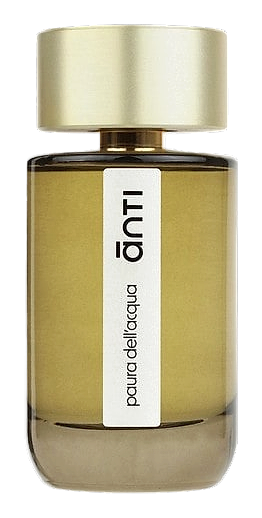
Paura dell'Acqua means 'fear of water' in Italian, and the name points to a strange corner of history. During the Renaissance, when bathing was rare and public hygiene even rarer, perfumers answered with abundance. Jasmine, tuberose, and rose extracts layered so thick they could substitute for a bath entirely. The streets of Venice weren't just aromatic, they were saturated. Sidonie Lancesseur didn't recreate that excess wholesale. She extracted its logic. Where Renaissance perfumers used concentration as a blunt instrument, she treats it as a material. The overdose of white florals here isn't careless, it's structural. It holds. The concept of olfactory archaeology meets its most opulent subject: a period when fragrance had to work because nothing else would.
What makes Paura dell'Acqua structurally unusual is how the overload is organized. Three white floral absolutes, tuberose, Egyptian jasmine, and rose, arrive almost simultaneously rather than staged. They stay present from the start, stacked rather than sequenced. The base materials, amber, labdanum (listed as cistus on some sources), and tonka bean absolute, don't soften the florals so much as hold them in place. Tonka's coumarin adds a sweetness that could tip into dessert territory, but labdanum's balsamic resin keeps it grounded.
The evolution
The opening offers clean heat from ginger, a citrus bite from mandarin petitgrain that reads greener than expected. It's a brief phase, a quick handshake before the florals take the room. Then the heart arrives and doesn't apologize for itself. Tuberose absolute leads, but jasmine absolute and rose absolute aren't far behind, the three creating a white floral chord that smells richer than the sum of its parts. There's no separation here, no individual notes calling out. The overdose is intentional: it creates density rather than confusion. For those familiar with tuberose as a solo performer, this version will read as different, rounder, more saturated, less milky. The base emerges gradually over the next several hours. Amber appears first, then labdanum's slightly resinous warmth, and finally tonka bean absolute, sweet, faintly almond-adjacent, lingering.
Cultural impact
Paura dell'Acqua occupies an unusual position within ānti's broader body odor-centric catalog. It's among the house's most conventionally beautiful fragrances, closer to classical perfumery than the provocative biology the brand is known for. The contrast is striking: an opulent white floral that sits apart from the collection's more challenging work. Whether worn by someone new to the house or a longtime follower, this fragrance invites curiosity about the rest of the line. It demonstrates that the brand can work within traditional beauty without abandoning its underlying philosophy.