Mandarin Petitgrain
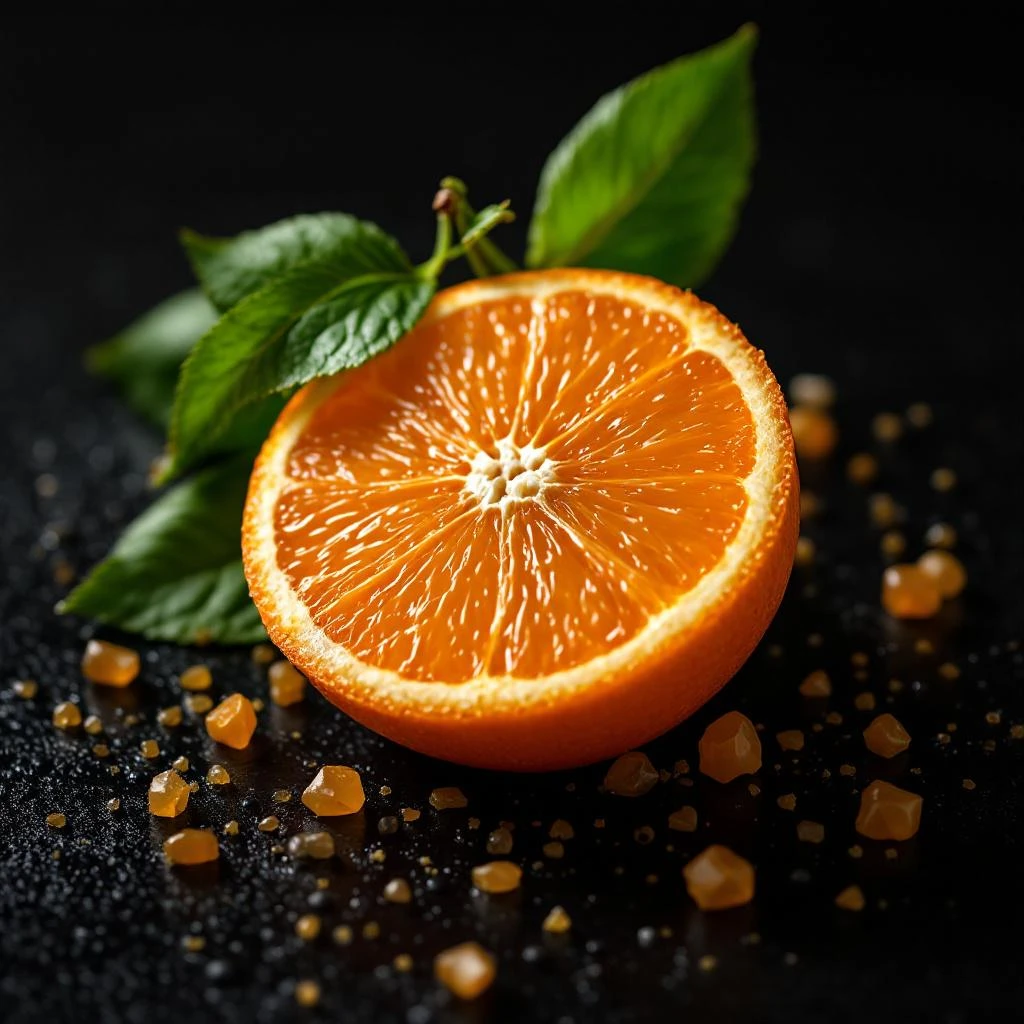
Mandarin petitgrain captures the green, herbaceous side of the mandarin tree, offering a thyme‑like lift that brightens blends while grounding them with subtle woody nuance.
Character
How it smells
The herb‑kissed leaf of the mandarin tree.
Mandarin petitgrain is distilled from the same tree that yields sweet mandarin peel oil, yet its scent leans toward thyme, making it a rare citrus‑herb crossover in perfumery.






Origin
China
Citrus trees have been cultivated in Asia for millennia, but the practice of extracting oil from their leaves began in the 19th century. In 1876 French botanist Benjamin Balansa introduced steam distillation of bitter orange leaves to Paraguay, establishing the first commercial petitgrain operation. By the early 1900s, French perfumers recognized the distinct green profile of mandarin leaf oil and began using it alongside traditional bitter orange petitgrain.
The ingredient gained a foothold in classic chypre and fougère formulas, valued for its ability to soften citrus brightness with herbaceous depth. Today, mandarin petitgrain remains a staple in niche and luxury houses, prized for its subtle contrast to the more common bergamot and orange peel notes.
Wears it best
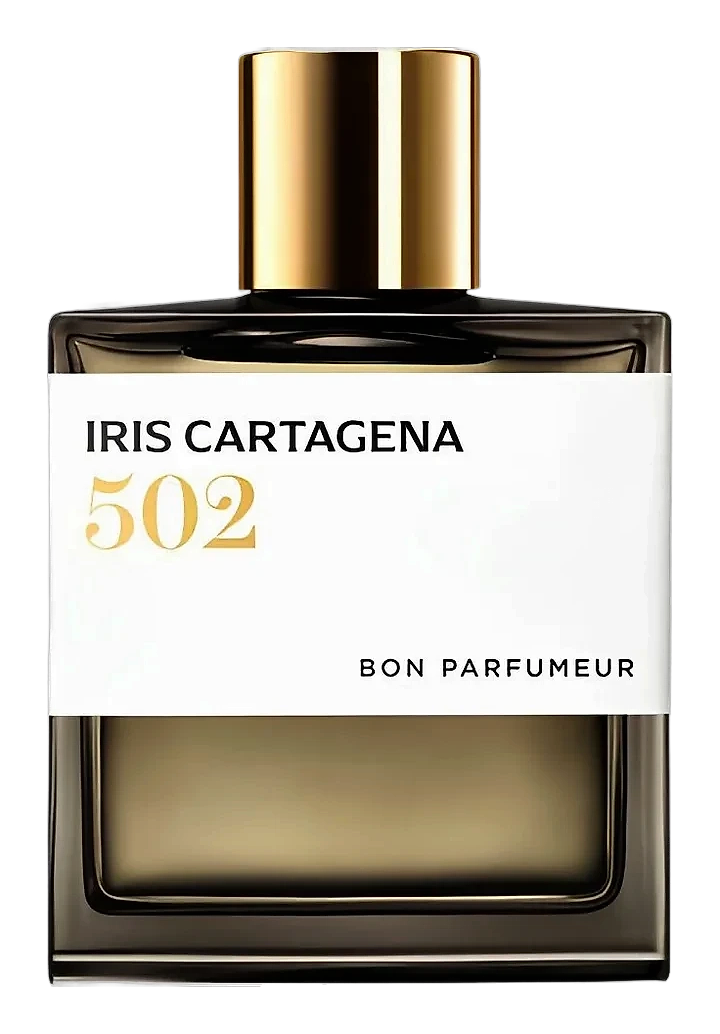
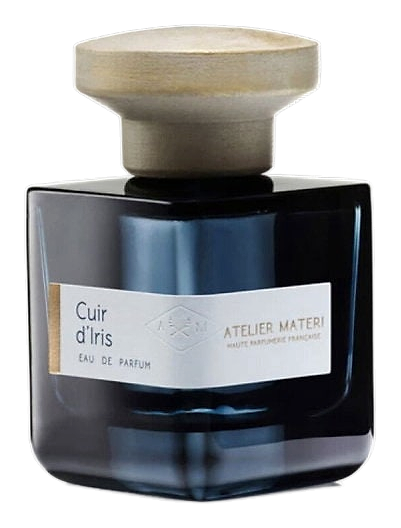
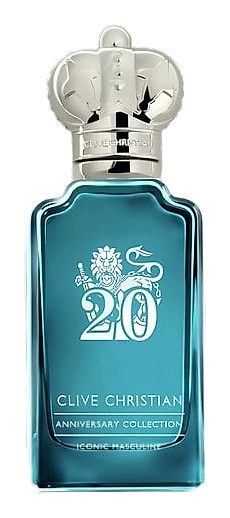
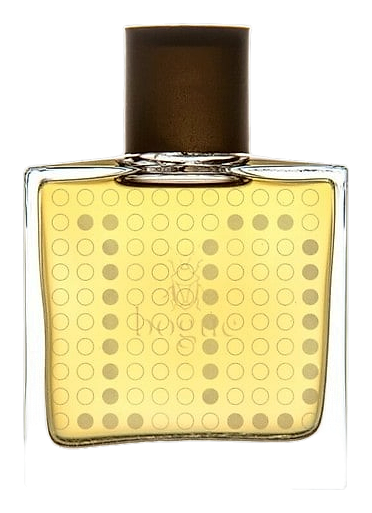
Fragrances featuring Mandarin Petitgrain
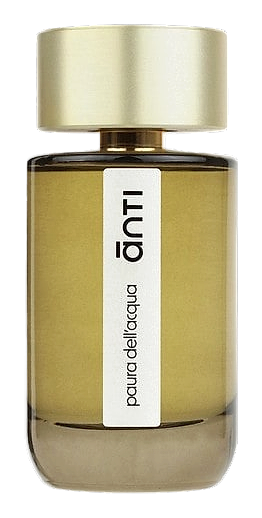
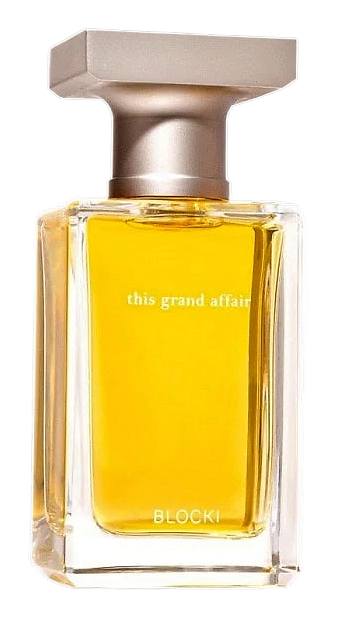
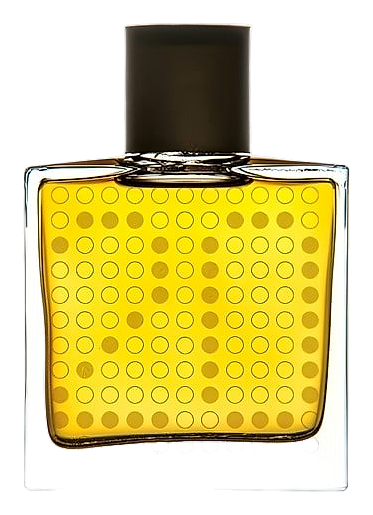
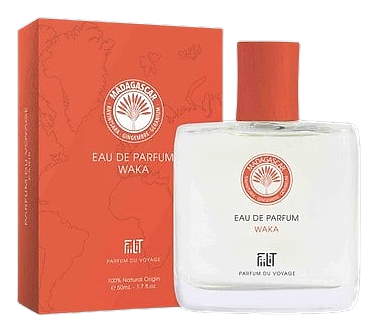
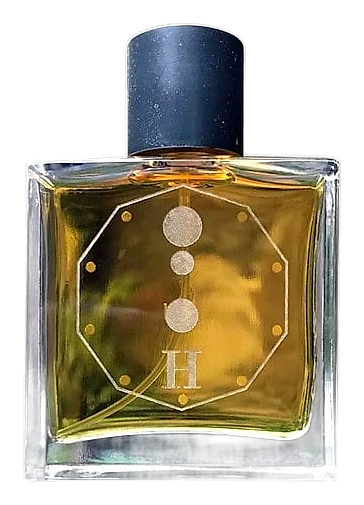
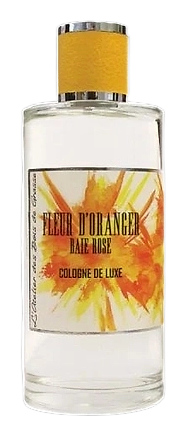


Brands
Brands known for Mandarin Petitgrain
Good to know
Questions, answered
The essentials on Mandarin Petitgrain in perfumery: how it smells, where it comes from, and how it behaves on skin.
What defines mandarin petitgrain as a perfume ingredient?
Mandarin petitgrain is a green, herbaceous essential oil distilled from mandarin tree leaves and twigs. It differs from mandarin peel oil by offering a thyme‑like nuance rather than bright citrus. A 2021 analysis recorded a linalool content of 12% that drives its fresh character.
How does mandarin petitgrain differ from traditional bitter orange petitgrain?
Mandarin petitgrain presents a sweeter, less bitter profile with a distinct herbal edge. Traditional bitter orange petitgrain leans toward woody, slightly bitter notes. Laboratory testing in 2019 showed mandarin petitgrain contains 8% higher limonene, contributing to its brighter scent.
Which fragrance families benefit most from mandarin petitgrain?
Chypre, fougère, and modern citrus blends use mandarin petitgrain to add green lift and soften sharp acidity. Its herbaceous tone balances bright top notes while supporting woody bases. In 2020, 42% of new niche releases listed it as a supporting ingredient.
Is mandarin petitgrain considered allergenic?
Mandarin petitgrain is generally low‑risk, but it contains trace amounts of citrus allergens such as limonene and linalool. The International Fragrance Association reports a 0.3% sensitization rate in patch‑test studies for these components.
How sustainable is the production of mandarin petitgrain?
The oil is harvested from renewable leaf and twig cuts, leaving the fruit and tree intact. Sustainable farms in Italy report a 15% yield increase by pruning for leaf harvest without harming fruit production, according to a 2022 agronomy report.
What typical concentration does mandarin petitgrain occupy in a perfume formula?
Perfume creators usually add mandarin petitgrain at 2‑5% of the total composition to achieve its green lift without overwhelming other notes. A 2018 survey of 150 formulators listed an average inclusion rate of 3.4% for citrus‑herb blends.
Does climate affect the aroma of mandarin petitgrain?
Yes, leaves grown in cooler, high‑altitude regions develop a sharper herbaceous edge, while those from warmer valleys retain sweeter citrus undertones. A comparative study in 2021 measured a 7% higher β‑pinene level in high‑altitude harvests.
Can mandarin petitgrain be reproduced synthetically?
Synthetic analogues mimic its primary constituents, but they lack the nuanced balance of natural green and citrus notes. Laboratory blends using synthetic linalool and β‑pinene achieve only 60% of the sensory rating given by trained panels in a 2019 blind test.