The Story
Why it exists.
The beginning
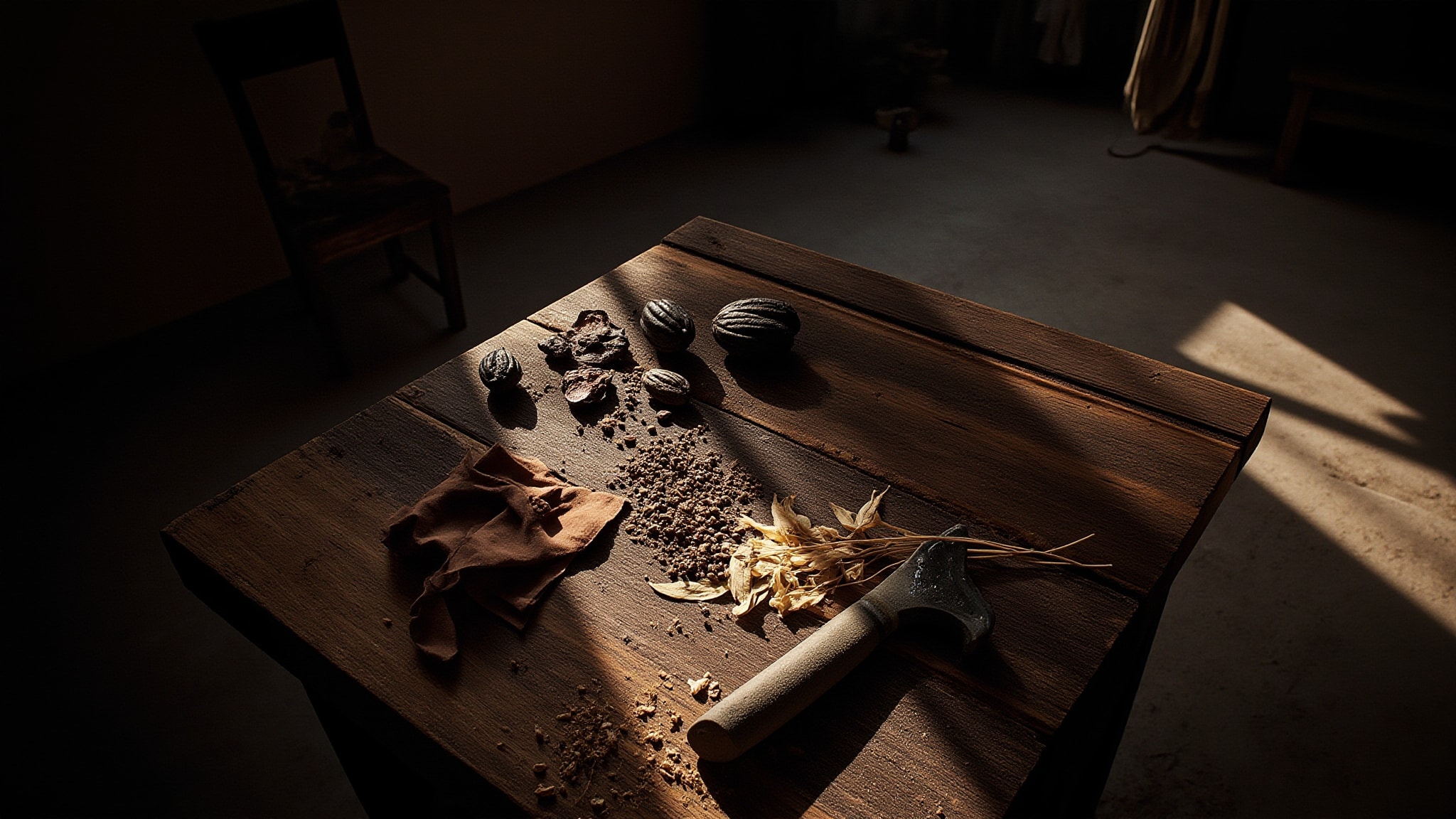
Atelier Materi was founded on a radical premise: each fragrance is a focused study of a single raw material, treated with the reverence of a craftsperson examining a precious object. Marie Hugentobler, the house's perfumer, approaches each composition as an act of material archaeology, stripping away excess to reveal the essence within. For Cacao Porcelana, the chosen subject is white cacao, a rare ancestral variety sometimes described as the 'Nectar of the Gods.' This variety differs from common cocoa in its lighter color, gentler flavor, and a distinctive fermentation process that yields both sweetness and inherent bitterness. Hugentobler's challenge was to honor that paradox, constructing a fragrance that acknowledges the bitter without rejecting the sweet. The brand's French positioning, gender-neutral ethos, and focus on material essence over market trends provide the context for this approach.
The note selection in Cacao Porcelana reflects Atelier Materi's philosophy of material honesty. Cocoa, rum, and immortelle were chosen to honor the bitter-sweet duality of white cacao. The heart notes, blond tobacco, davana, and jasmine, serve as a foil to the opening's intensity, introducing floral and aromatic dimensions that prevent monotony. The base, sandalwood, patchouli, and tonka bean, completes the arc by resolving the opening's bitterness into warmth. Pairing these notes was not accidental. The rum's spiciness connects to the tobacco's dryness, while the jasmine bridges the cocoa and the sandalwood through shared floral-cream qualities. Each note has a purpose, each transition a reason.
The evolution
Cacao Porcelana begins with a bold declaration: the fermented, sun-dried, and roasted white cacao presents itself through an unapologetic cocoa note, amplified by rum's warm alcohol and tempered by immortelle's honeyed subtlety. This opening is the fragrance's thesis, a statement of intent that says this will not be a gentle, people-pleasing scent. As the minutes pass, the heart emerges, shifting the narrative from intensity to nuance. Blond tobacco introduces a dry, aromatic quality that feels almost academic in its restraint. Davana, with its wild, slightly medicinal character, adds an unexpected layer of complexity that prevents the heart from becoming predictable. Jasmine, the most traditional of the three, provides a familiar floral anchor that keeps the composition grounded. The journey concludes with the drydown, where sandalwood, patchouli, and tonka bean create a warm, lingering finish. The sandalwood offers creamy comfort, patchouli echoes the opening's bitterness, and tonka bean delivers the sweetness that the white cacao promised but withheld until now.
Cultural impact
Cacao Porcelana arrived as one of Atelier Materi's early releases. The house had positioned itself around single-ingredient storytelling, and this fragrance explores what happens when the central ingredient never becomes fully sweet. The answer, for those who found it, was yes. Wearers describe it as the kind of scent someone chooses when they want to smell like they know what they're doing, not a crowd-pleaser, not a conversation-starter, but a quiet signature that stays in a room after they've left it.