The Story
Why it exists.
The beginning
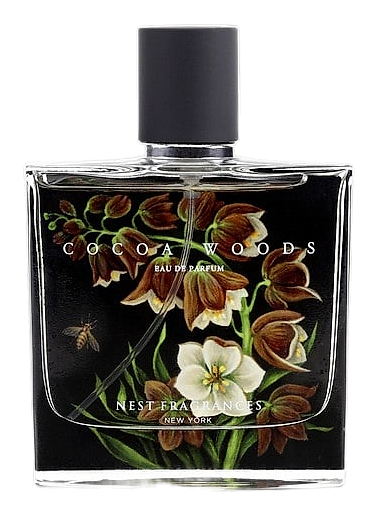
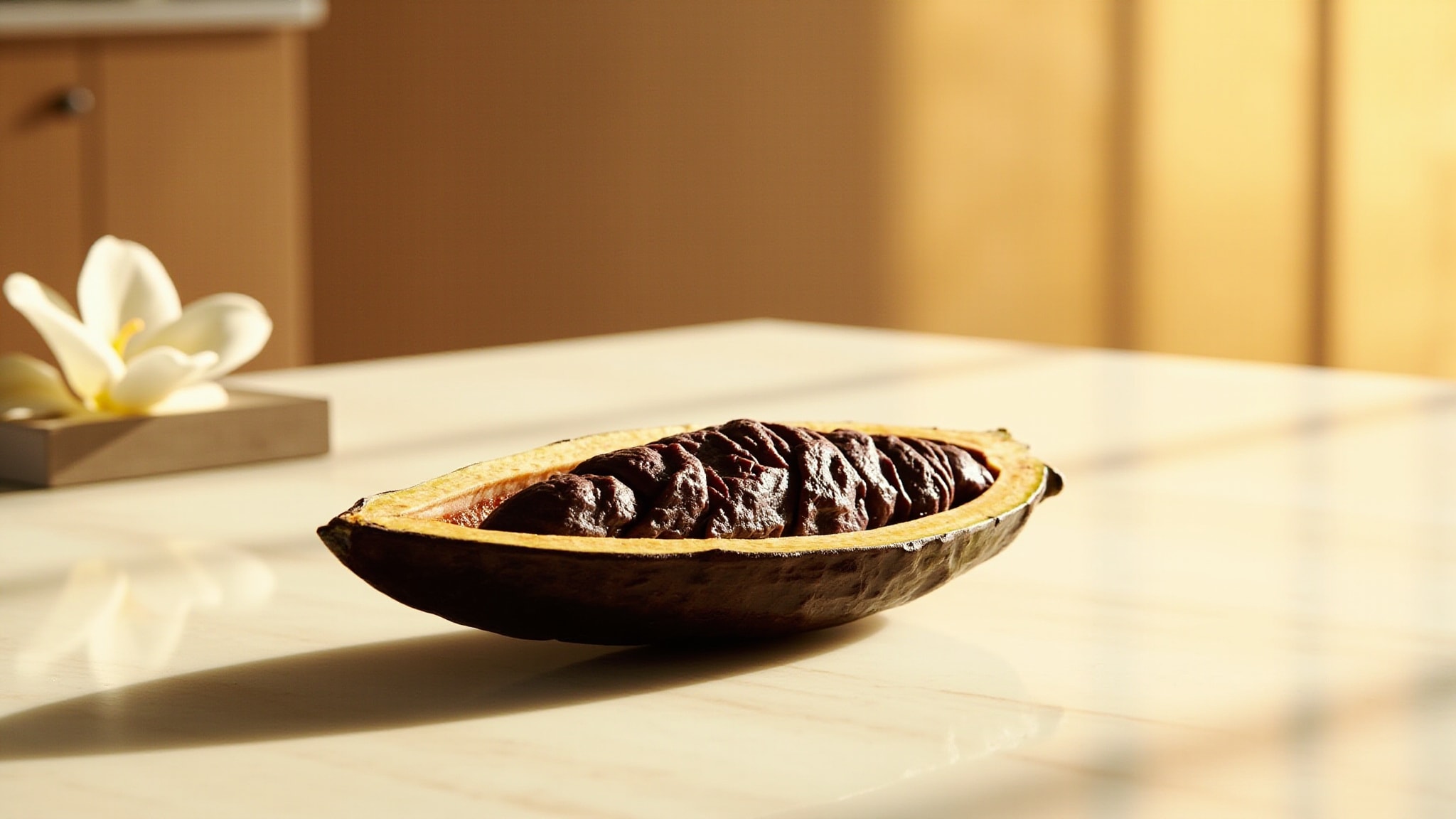
The name tells you everything and nothing. Cocoa Woods suggests a simple pairing, but Jérôme Epinette built something with sharper edges. Sequoia and sandalwood form the structural heart, while cocoa brings a dark, almost bitter counterpoint that keeps the composition from tipping into sweetness. Tiare, unexpected in a woody-spicy context, adds a creamy, tropical dimension that softens the whole thing from the inside. The perfumer started with a confrontational opening, then gave you somewhere warm to land.
Most woody fragrances lean into comfort. Cocoa Woods starts by refusing it. The medicinal, almost synthetic sharpness of the opening is deliberate, a contrast that makes the warm woody drydown land harder. What makes this composition distinctive is how Tiare, usually found in sunny summer fragrances, anchors an autumn-winter scent. The creamy floral element keeps the woods and cocoa from feeling heavy or literal. It's not a chocolate fragrance. It's a wood fragrance that remembers cocoa existed, and decided not to overdo it.
The evolution
The opening hits like a medicine cabinet, sharp, synthetic, almost boozy. Some reviewers bail here. The ones who stay are rewarded. Within fifteen minutes, the harshness recedes and something herbal and woody emerges. Absinthe, someone said. Licorice. The sequoia and thai ginger hold the middle with a green-spicy tension that keeps things interesting. Then the florals arrive, tiare's creamy tropical warmth wrapping around cocoa's dark edge. By hour three, you're left with something intimate and close. Sandalwood. A whisper of cocoa dust. The kind of wear that stays with you into the next morning, faint and certain.
Cultural impact
Cocoa Woods arrived at a moment when niche perfumery was still carving out space from mainstream luxury, and its confrontational opening registered as a statement. Where many niche releases leaned into mass-appeal softness, this one opened sharp and synthetic, daring wearers to either commit or bail. That polarizing quality made it a cult item among those who appreciated that the fragrance didn't ask permission to be strange. Its discontinuation only strengthened that status, turning it into a white whale for collectors and a reference point for how bold a commercial-adjacent release could be before retreating to safer territory.