The Story
Why it exists.
The beginning
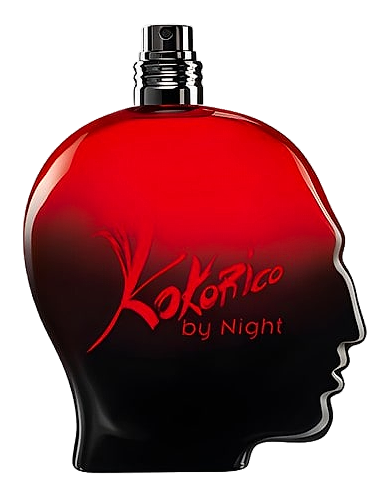
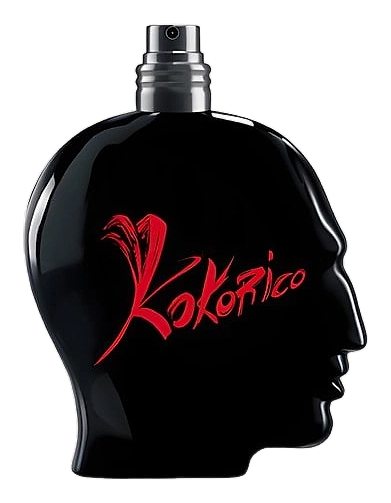
The name is the message. Kokorico is the French onomatopoeia for a rooster's crow, the boastful, can't-miss-me declaration that announces itself across the yard. Gaultier has built a house on exactly this energy: pop-art provocation, the corset bottle, the knowing smile. Kokorico takes that energy and puts it in a bottle as an olfactory manifesto. Released in 2011, created by Olivier Cresp and Annick Ménardo, it's positioned as a powerful, explosive statement, a fragrance that refuses to be background music. The brief was simple: make something that commands the room. The fig leaf opening does exactly that, bright, green, impossible to miss.
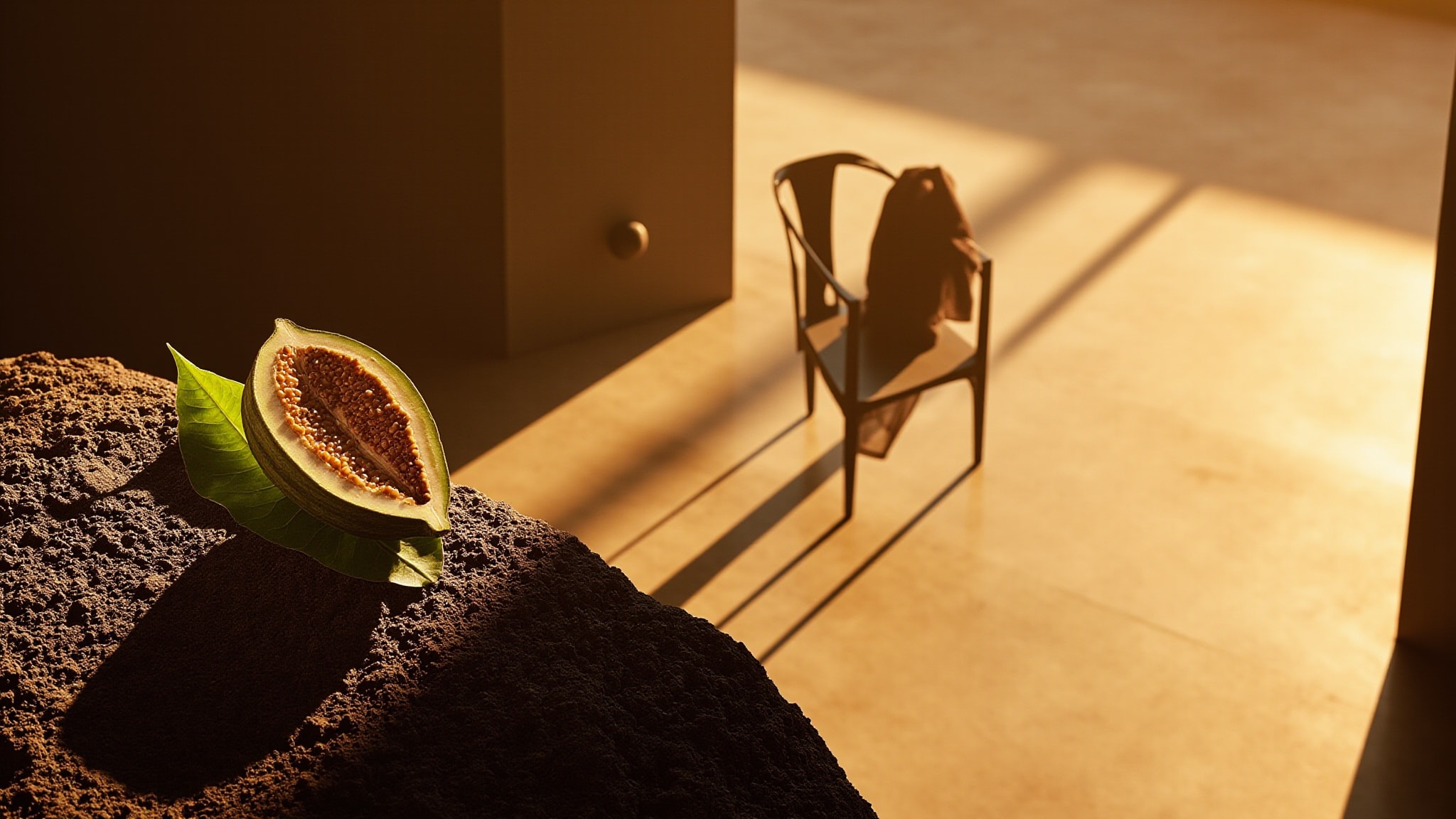
The fig leaf note here isn't decoration. It's the call. Fresh, slightly bitter, with that unmistakable green energy that signals something is about to happen. Against the cocoa and patchouli at the heart, it creates a tension that few fragrances nail this well, the freshness isn't fleeting or polite. It's the opening act that makes the rich, warm declaration land harder. The raw cacao used here is deliberately unsweetened, not the comfort-food chocolate of typical gourmand masculines, but something with weight and a slight bitter edge that professional perfumers reach for when they want cocoa to feel adult and intentional, not candy-like.
The evolution
The fig leaf opens like a shock of cold water, bright, green, almost medicinal in its clarity. There's no easing in here. Within minutes, the cocoa arrives and shifts everything. It doesn't replace the fig leaf so much as absorb it into something warmer, darker. The patchouli underneath makes itself known immediately, earthy and grounding, a reminder that this fragrance has somewhere to go. By the second hour, the drydown settles into cedar and vetiver while the cocoa persists, still present, still warm, still close to the skin. The sillage becomes intimate rather than projecting. This is the phase where Kokorico earns its reputation: it doesn't fill the room, but it stays. The last thing you'll smell is cocoa wrapped in wood, comfortable, warm, personal. On fabric, it lingers into the next morning.
Cultural impact
Kokorico marked a bold moment in JPG's lineup when the house moved toward raw, confrontational compositions. Its 2011 release placed it at a crossroads in masculine fragrance, just before the wave of ultra-sweet mass-market orientals that would dominate the following decade. Where others went louder in sweetness, Kokorico held firm with an unsweetened cocoa heart and fig leaf freshness that felt more sophisticated, more intentional. The response has been divided, which is fitting for a house that built its reputation on provocation rather than consensus. It performs best in cooler weather and at night, conditions that let the cocoa and patchouli express themselves fully. For those who found it, it tends to inspire loyalty precisely because it refuses to be safe.