The Story
Why it exists.
The beginning
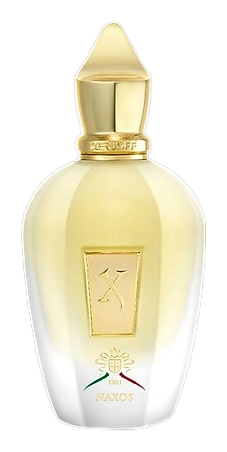
The Merchant of Venice, founded by the Vidal family in 2013, draws on the city's centuries-long history as a center of perfume trade. Their MURANO EXCLUSIVE collection takes cues from Murano glass artistry, layering translucent notes that catch light like glasswork. Dalia Izem composed Rococò in 2015, selecting materials that would reflect both the brand's Venetian heritage and a contemporary sensibility. The choice of frankincense and bergamot for the opening references traditional perfumery materials with Mediterranean associations, while the heart notes of heliotrope, clove, and jasmine suggest a more romantic, ornate sensibility.
The note selection in Rococò reflects a deliberate philosophy of contrast and harmony. Frankincense and bergamot were chosen for their opposing qualities, one resinous and contemplative, the other bright and effervescent, creating an opening that immediately signals complexity. The heart notes of heliotrope, clove, and jasmine work together to bridge the gap between sweet florals and warm spices, with heliotrope providing an almond-like softness that complements jasmine's richness while clove adds necessary warmth. The drydown materials, cocoa, benzoin, and tonka bean, were selected for their ability to create a lingering warmth that extends the fragrance's presence without overwhelming.
The evolution
Rococò evolves through distinct phases that mirror the layering technique of Murano glassblowing. The opening burst of bergamot and frankincense establishes brightness against resinous depth, creating an immediate impression that refuses to be merely citrus or merely smoky. As the fragrance moves into its heart phase, heliotrope introduces powdery softness while jasmine contributes lush floralcy, and clove adds spiced warmth that prevents the composition from becoming overly delicate. This middle stage lasts several hours, revealing new facets as body heat activates each material. The drydown marks a significant shift toward warmth and intimacy. Cocoa emerges first, bringing its dark, slightly bitter chocolate nuance, followed by benzoin's resinous sweetness and tonka bean's creamy, vanillic depth. The final impression is soft, warm, and lingering, remaining close to the skin like a secret.
Cultural impact
Rococò arrived in 2015 as part of the MURANO EXCLUSIVE collection, positioning itself within a house that was still establishing its identity. The fragrance found its audience among those seeking warmth with depth, cocoa and frank incense as a statement of intent rather than a trend follow. Wearers describe it as the scent of someone who walks into a room and doesn't need to announce themselves.