The Story
Why it exists.
The beginning
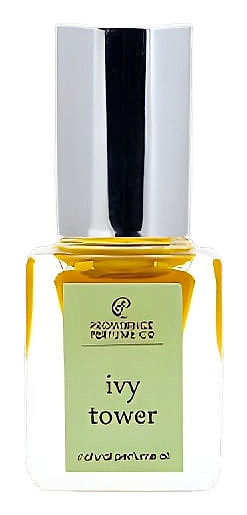
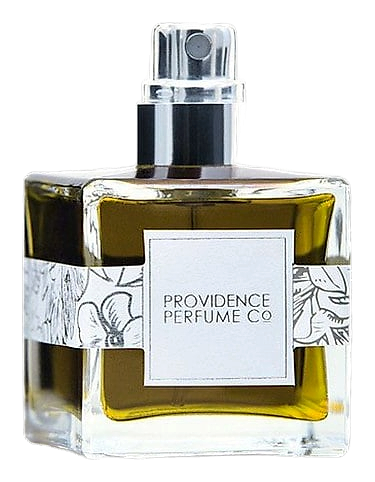
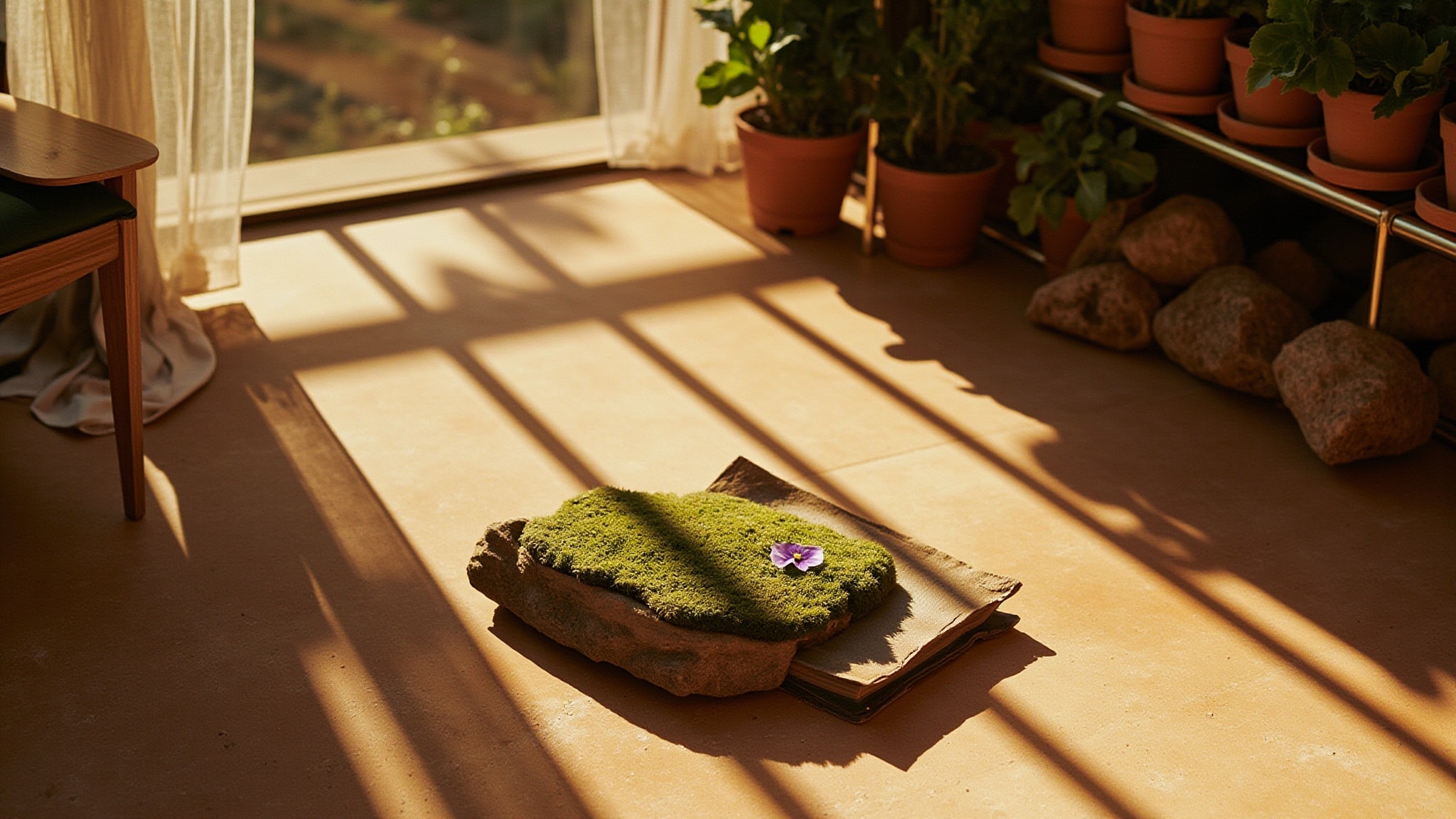
Moss Gown arrived in 2012, and it did exactly what the name promised, it made the wearer feel like they were standing inside something verdant and alive. For Charna Ethier at Providence Perfume Co., moss was never just a base note. It was the starting point. The idea was to build a fragrance around that cool, damp, slightly wild green, not the aggressive inky moss of traditional chypres, but something softer, more inviting. The taffeta in the name isn't decorative. It's the sensation of fabric moving through overgrown garden paths, petals brushing against something lightweight and structured. Cedar and sandalwood were chosen to frame the moss without overwhelming it, they give the fragrance its architecture without boxing in the green. The result is a botanical perfume that feels like an afternoon spent somewhere it would take hours to find.
Tasmanian boronia is one of the rarest botanical materials in perfumery, a yellow flower with a complex, wine-dark sweetness that doesn't exist in synthetic form. Using it as the heart of Moss Gown wasn't a stylistic choice. It was structural. Boronia does something no lab alternative can replicate: it adds depth to the green without adding weight, a sweetness that reads as floral rather than gourmand, and a slightly feral quality that makes the heart feel alive rather than composed. When you layer it against violet leaf, mimosa, and the cool cedarmoss base, the result is a fragrance that functions like a chypre, green opening, floral heart, mossy drydown, but through an all-natural botanical lens.
The evolution
The opening doesn't hit, it arrives. Chamomile and mimosa create a soft green mist, barely there, like morning fog lifting off a humid greenhouse. Sunflower adds a faint nuttiness, a quiet warmth that prevents it from reading as cold. Within twenty minutes, the florals take over. Boronia leads with that rare, wine-dark sweetness, not fruit, not honey, but something wilder that suggests a meadow after rain. Rose, lilac, and coffee blossom pile in without competing. The composition holds. Violet leaf keeps the green grounded even as the flowers peak. Then, around the two-hour mark, the moss arrives. Cedarmoss doesn't storm the stage, it settles, cool and damp, like morning fog rolling in off a coastal garden. Sandalwood wraps around it, adding warmth, creaminess, a quiet depth. The drydown is intimate and close. This is a fragrance that stays within arm's reach after the first hour, present on your skin for 8-10 hours, more remembered than announced.
Cultural impact
Moss Gown arrived at a time when all-natural perfumery was still a curiosity rather than a movement. In 2012, most botanical fragrances were either historic curiosities or niche experiments, and Providence Perfume Co. was among the early American houses treating them as serious artistic work. The fragrance's use of rare Tasmanian boronia was unusual for an indie house of that era, more typically associated with high-end niche houses like ABSerge or L'Artisan Parfumeur. By keeping Moss Gown in continuous production for over a decade, Charna Ethier demonstrated that natural materials could hold together long-term without the structural compromises common to botanical formulations.