The Story
Why it exists.
The beginning
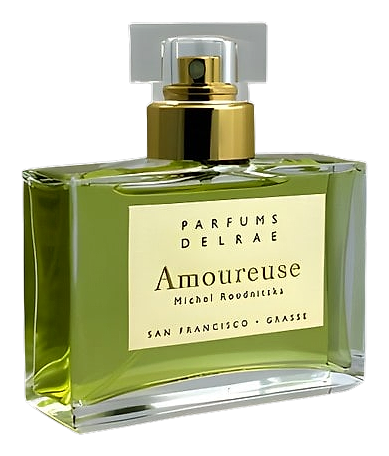
Michel Roudnitska trained in the classical French tradition his father André perfected. When DelRae Roth approached him with the brief for Amoureuse, she gave him something unusual: a feeling rather than a concept. The name means 'in love' in French. The fragrance had to smell like the moment you stop pretending. Roudnitska spent years on the formulation. When it launched in 2002, it arrived without apology, tuberose and honey together, the floral and the animalic refusing to be separated. That tension is the entire point. Amoureuse is not trying to smell pretty. It's trying to smell true.
What makes this composition unusual is the refusal to resolve. Most white floral fragrances lean one direction: either the creamy indolic tuberose or the clean gardenia. Here, Roudnitska keeps both. The honey adds a fermentation, a slight animalic urinous quality that lifts the florals into something more alive than composed. Oakmoss adds the green, the damp, the forest floor under everything. It's a white floral for people who find most white florals boring. The cardamom in the top is barely there, a whisper of spice that disappears before you notice it. The real story is the flowers and the honey, and how they refuse to let each other win.
The evolution
The tangerine flashes for thirty seconds. Then gone. What replaces it is the honey, immediate and unapologetic, thick, slightly animalic, the kind that smells like skin rather than a beekeeper's apron. Within minutes the tuberose swells. It doesn't wait politely. It takes up space, breathy and green, with lily and jasmine underneath adding texture. The jasmine is warm, not indolic, round and almost fruity in its sweetness. The drydown belongs to the oakmoss and sandalwood. The florals fade but the honey persists, now warmer, settling into the skin like a second layer. On fabric, this lasts eight to ten hours. On skin, expect the full workday and into the evening. The sillage is strong, strangers will ask what you're wearing.
Cultural impact
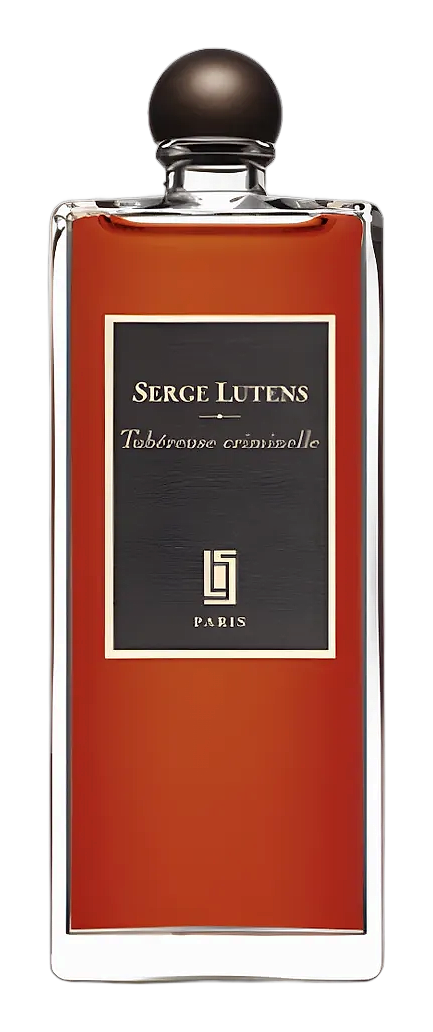
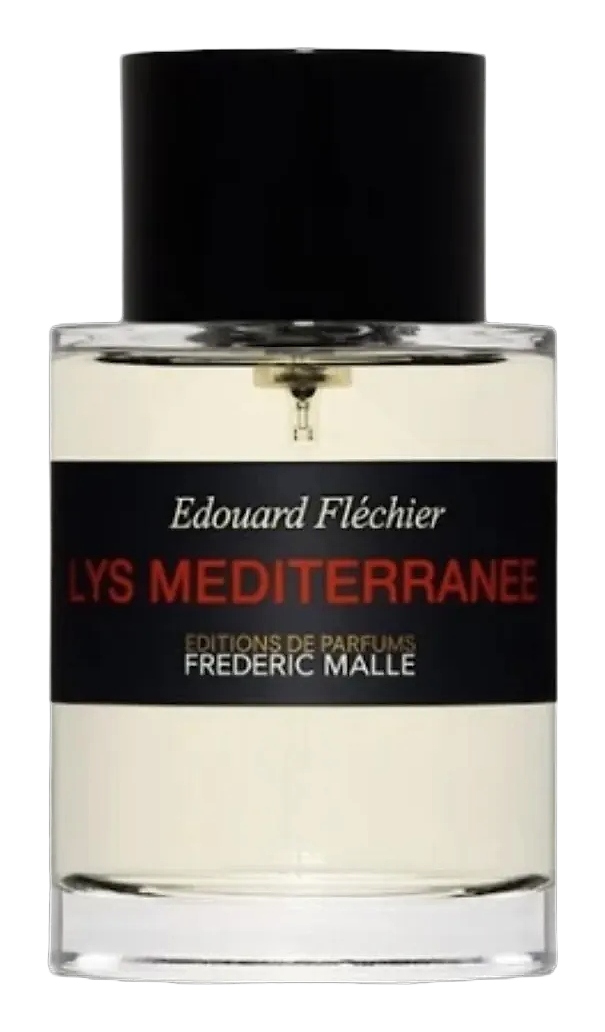
Amoureuse occupies a specific corner of niche perfumery: white florals for people who find white florals too polite. The animalic honey and oakmoss base give it a following among collectors who prize complexity over comfort. Compared to contemporaries like Frederic Malle's Carnal Flower or Serge Lutens' Datura Noir, Amoureuse holds its own in the green-indolic conversation. It's never been reformulated into safety, a rarity in a 2002 release.