Leathery Notes
Leathery notes occupy a rare space in perfumery—neither fully natural nor synthetic, they emerge from a careful alchemy of raw materials like birch tar, castoreum, and labdanum. These notes carry an inherent tension: sensual yet spiritual, familiar yet distant, evoking worn saddles, dusty libraries, and warm skin.
Character
How it smells
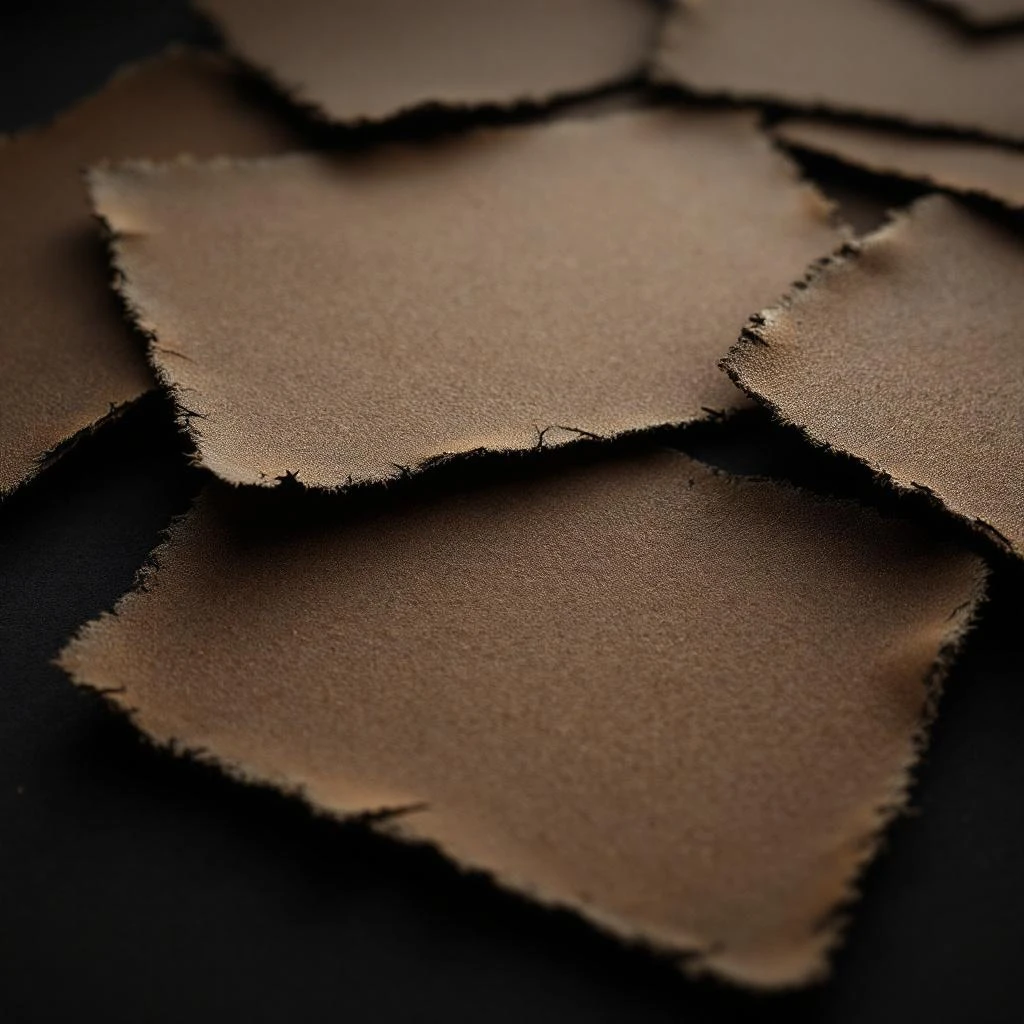
Perfume's oldest illusion: the scent of something never extracted.
Catherine de Medici popularized scented gloves across Europe after receiving orange blossom-scented ones from Grasse—earning her the nickname 'La Nerola.'








Origin
France
Leather and perfumery share origins in the guilds of 15th-century Paris, where Maîtres Gantiers Perfumers supplied scented gloves to royalty. The tanning process itself was foul-smelling, so artisans masked it with musk, civet, and ambergris. Catherine de Medici's arrival at the French court in 1538—accompanied by her Florentine perfumer René le Florentin—cemented the tradition of scented gloves among the aristocracy.
By 1614, King Louis XIII had formally established the title of Master Glove Perfumer. Grasse became the epicenter, tanning leather with silver birch bark using the ancient Cossack method. When taxes and competition from Nice forced the leather industry to decline around 1759, Grasse pivoted entirely to perfume.
Peau d'Espagne by Pinaud survived into the 19th century as one of the earliest leather fragrances, intensely floral, animalic, and musky. Modern leather notes gained prominence from 1920 to 1960, appearing in both women's and men's fragrances, before eventually being classified as their own fragrance family by the French Society of Perfumers.
Wears it best
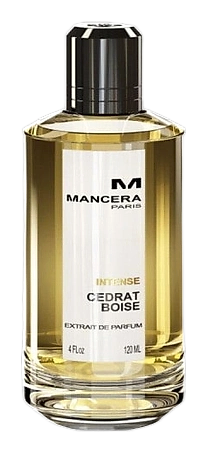
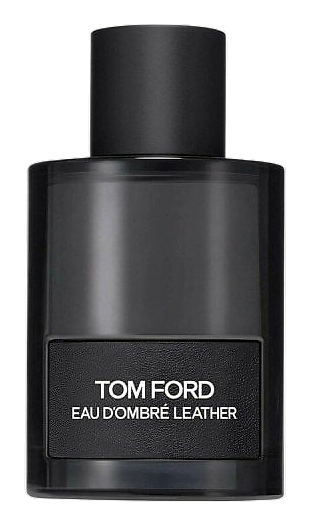
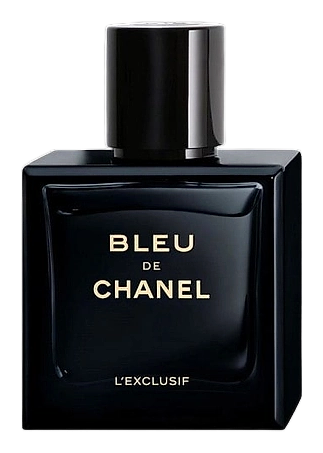
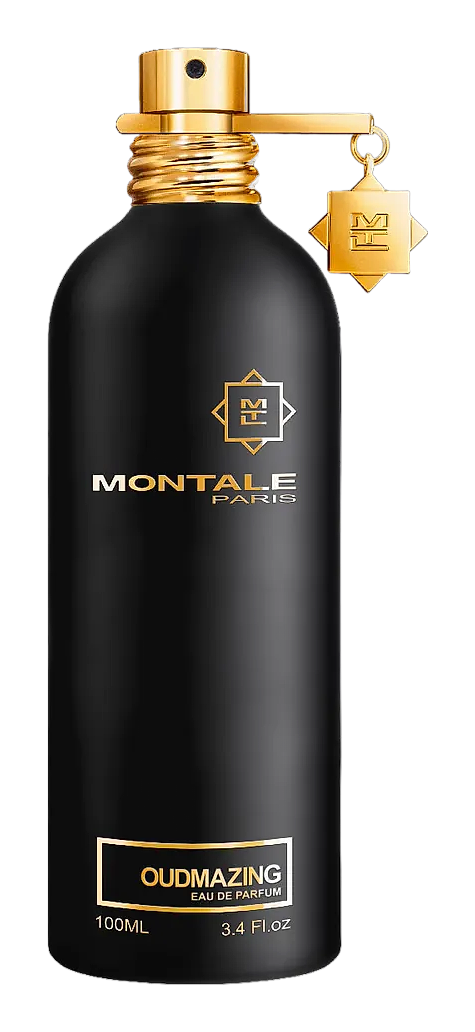
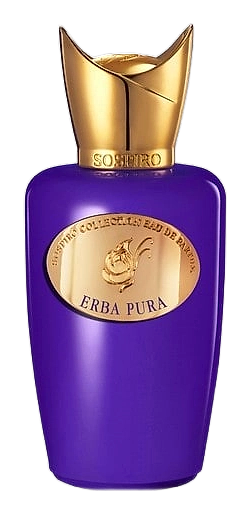
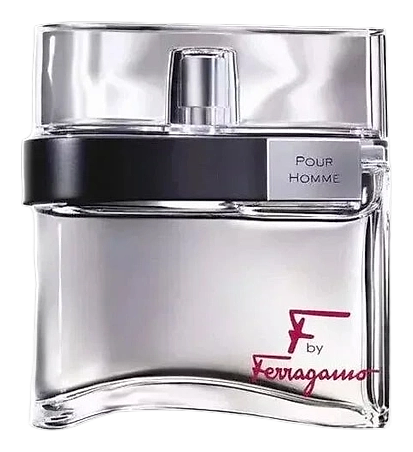
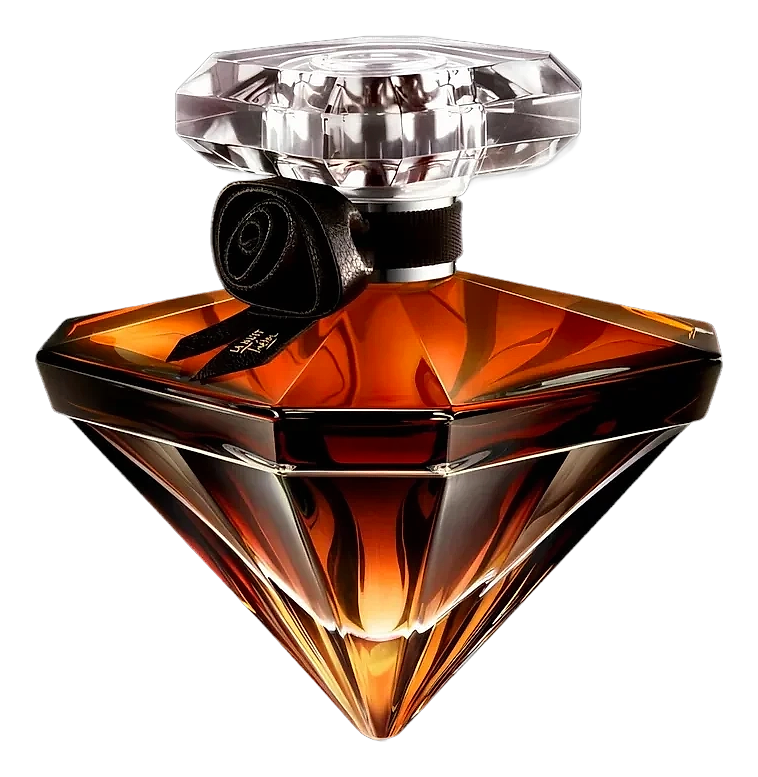
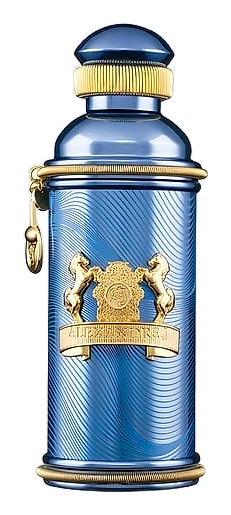
Fragrances featuring Leathery Notes
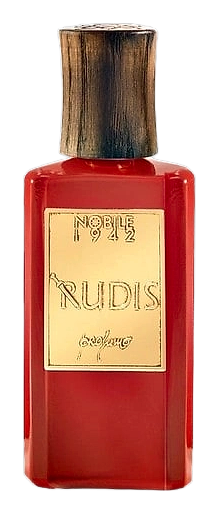
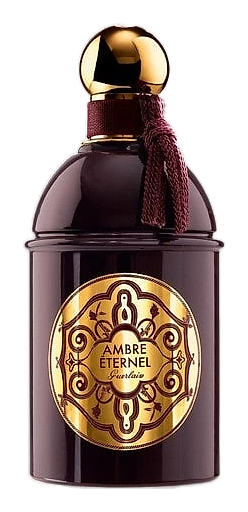
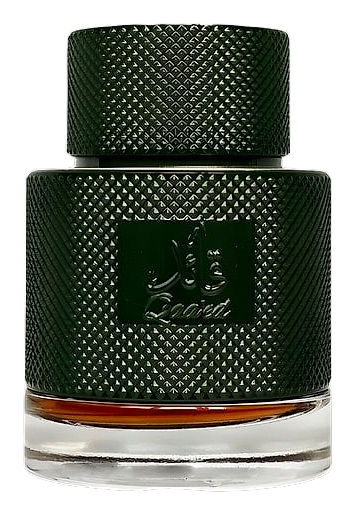
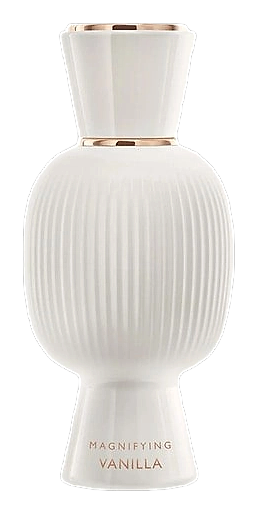
Brands
Brands known for Leathery Notes
Good to know
Questions, answered
The essentials on Leathery Notes in perfumery: how it smells, where it comes from, and how it behaves on skin.
Is leather a natural ingredient in perfume?
No. Leather is an accord—a constructed blend of materials like birch tar, castoreum, labdanum, and cade oil. There is no extractable leather essence; perfumers build the note from multiple raw materials.
What does leather smell like in fragrance?
Leather notes typically present as smoky, dry, and slightly animalic. They evoke worn leather seats, old books, and warm skin. Birch tar provides a signature smoky facet; castoreum adds animalic depth.
When did leather notes first appear in perfumery?
Leather tinctures were used by Maîtres Gantiers Perfumers in Grasse starting in the 15th century. The practice of perfuming gloves—particularly for royalty—predates modern fragrance by centuries.
Which fragrance families commonly feature leather?
Leather notes frequently appear in chypre and oriental families, as well as woody fragrances. The French Society of Perfumers classifies leather as its own distinct fragrance family, though it remains less populated than others.
Is leather more common in men's or women's fragrances?
Historically, leather dominated men's fragrances through the mid-20th century. Today, leather appears in unisex compositions and women's perfumes—particularly chypres—where it adds contrast that makes florals bloom on skin.
What is Peau d'Espagne?
Peau d'Espagne (Spanish Skin) was a legendary scented leather formula created by Pinaud, Paris. It survived into the 19th century as one of the earliest leather perfumes, characterized by intense florals, animalic notes, and heavy musk.
Can leather notes be synthetic?
Yes. Quinolines and certain aromatic synthetics contribute dry, rubbery, or smoky leather facets. Modern perfumers blend natural and synthetic materials to achieve consistent leather accords.
What raw materials build a leather accord?
Common ingredients include birch tar (smoky), castoreum (animalic), cade oil (bitter), labdanum (resinous), styrax (sweet-balsamic), and tobacco absolute (warm). Each perfumer varies the formula.