Paradisone
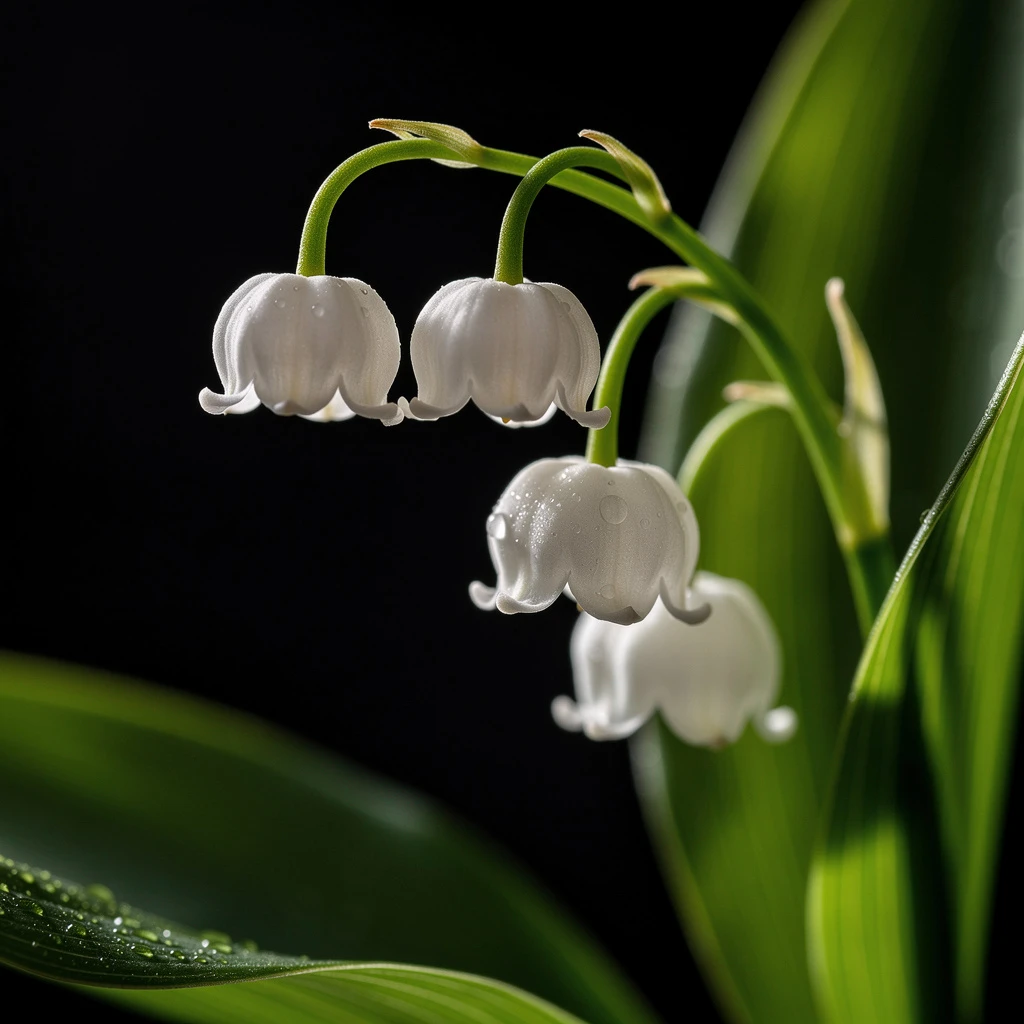
Paradisone captures the luminous heart of jasmine in a single, stable molecule, delivering a bright, floral burst that mirrors the garden’s most prized blossom.
Character
How it smells
Jasmine’s pure essence, engineered for consistency.
Paradisone contains about 94% of the key aroma compounds found in natural jasmine oil, yet it remains fully synthetic, allowing perfumers to use it without seasonal supply limits.







Origin
Switzerland
Paradisone marks a milestone in modern perfumery, embodying four decades of Firmenich’s jasmine research. Early 20th-century chemists isolated the primary scent molecules of jasmine, but could not replicate their complexity.
In the 1980s Firmenich began mapping jasmine’s volatile profile, identifying a core set of compounds responsible for its bright, sweet character. The company invested in catalytic chemistry to stitch these fragments together, culminating in Paradisone’s launch in the early 2020s.
Its introduction preceded the industry’s first biotech-based ingredients, which appeared only after a further sixty years of development. Paradisone therefore bridges the gap between nature-derived aroma and fully engineered scent, setting a new benchmark for stability, sustainability, and olfactory fidelity.
Wears it best
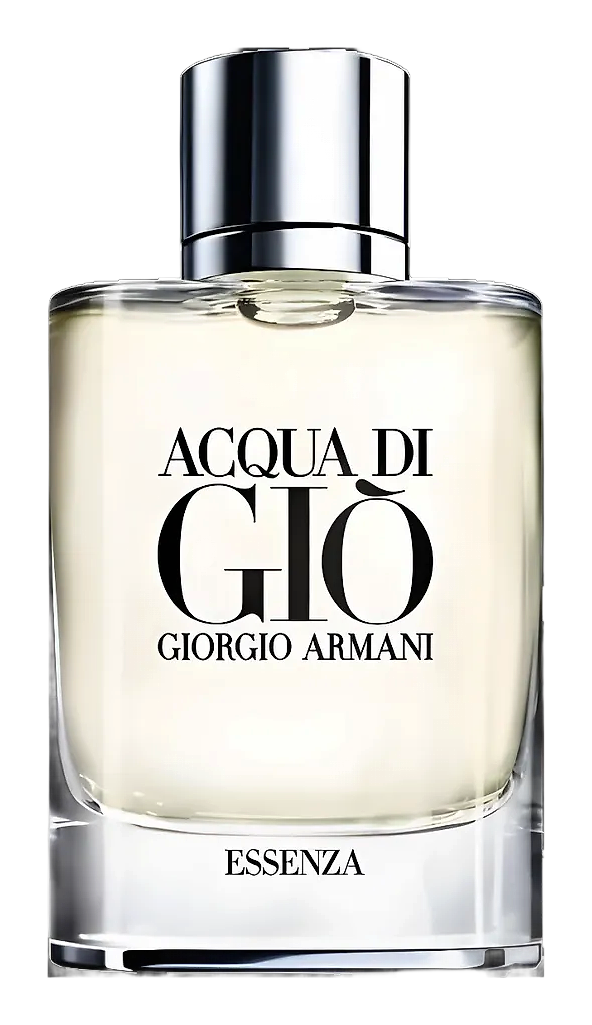
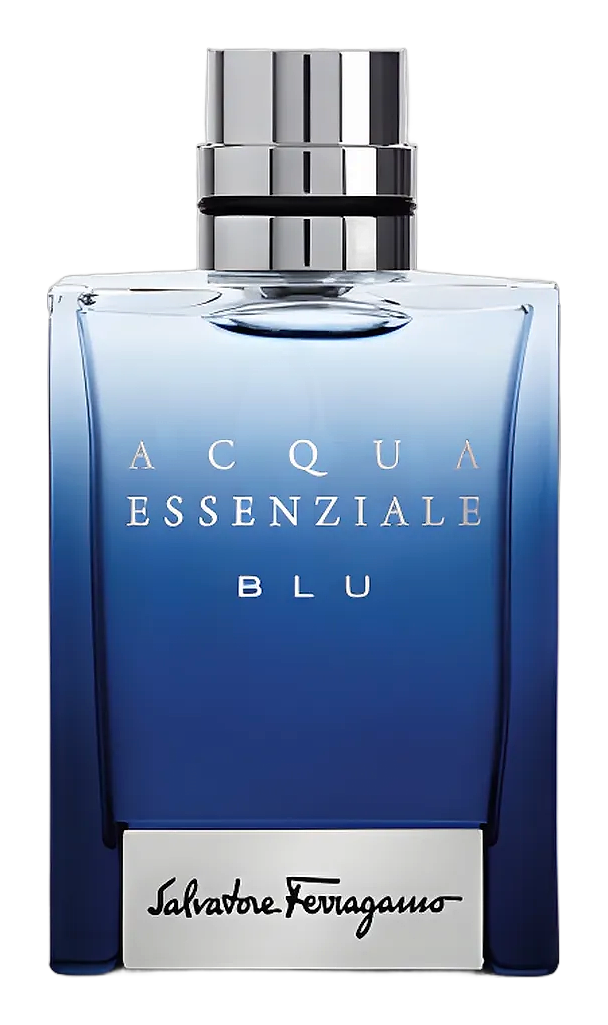
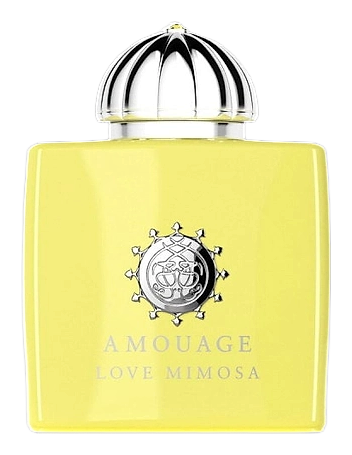
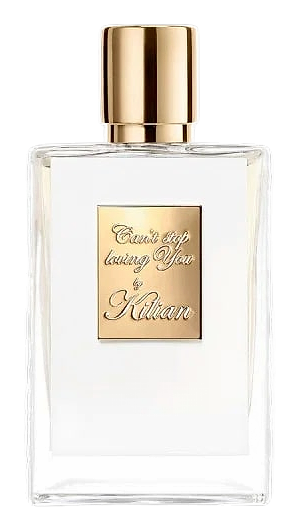
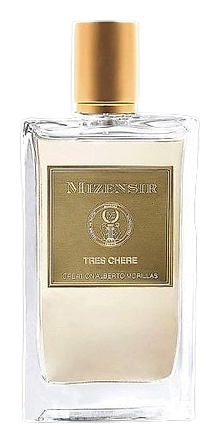
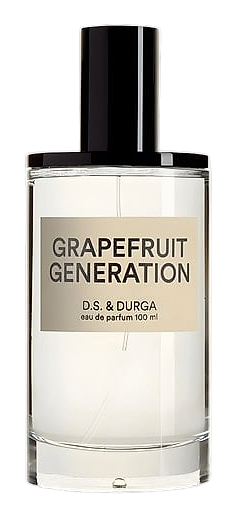
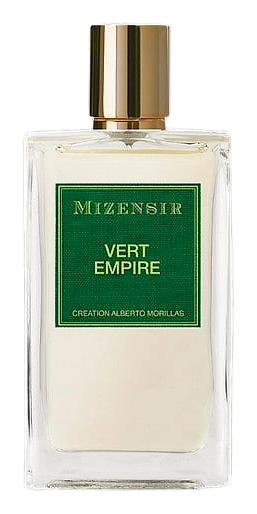
Fragrances featuring Paradisone

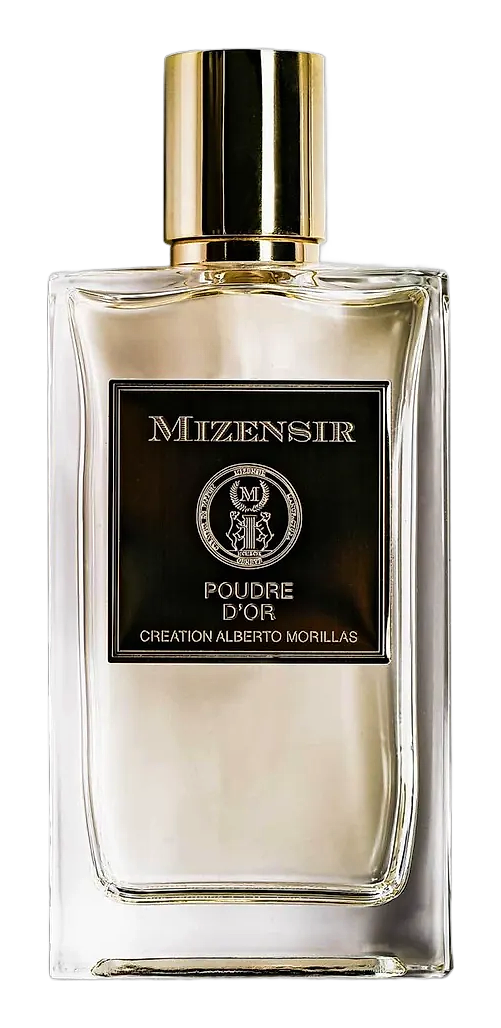
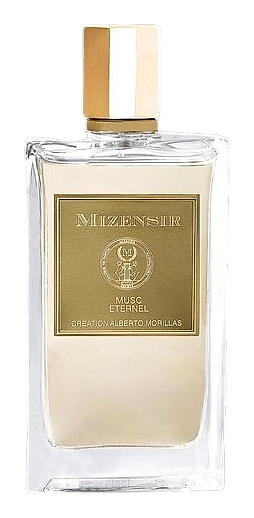
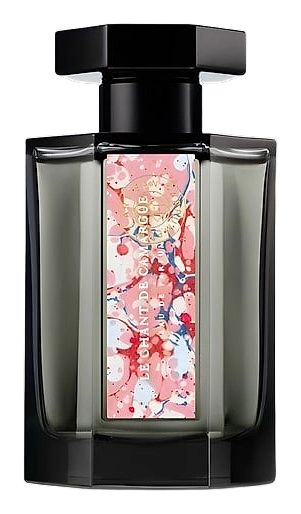
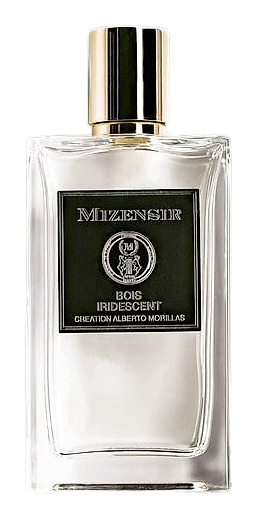
Brands
Brands known for Paradisone
Good to know
Questions, answered
The essentials on Paradisone in perfumery: how it smells, where it comes from, and how it behaves on skin.
What scent profile does Paradisone provide?
Paradisone offers a bright, sweet jasmine profile with a clean, radiant finish. It reproduces the core floral notes that define natural jasmine oil, delivering a consistent aroma across batches.
Is Paradisone a natural or synthetic ingredient?
Paradisone is a fully synthetic molecule created through catalytic chemistry. It mimics natural jasmine without relying on plant extraction, allowing unlimited production.
When was Paradisone introduced to the market?
Paradisone entered the market in early 2022. Its launch followed more than 40 years of research into jasmine chemistry at Firmenich.
How does Paradisone compare to natural jasmine oil?
Paradisone contains roughly 94% of the key aroma compounds found in natural jasmine oil, yet it remains chemically stable and free of seasonal variation. This makes it a reliable alternative for perfumers.
What sustainability benefits does Paradisone offer?
Paradisone reduces reliance on jasmine cultivation, cutting land use and water consumption. Its production uses bio-derived feedstocks and a supercritical CO2 purification that lowers solvent waste by about 30% compared with traditional extraction.
Can Paradisone be used in high-concentration applications?
Paradisone performs well at concentrations up to 10% in fragrance blends. Its stability prevents oxidation, allowing formulators to maintain scent integrity over time.
Is Paradisone safe for skin contact?
Paradisone complies with IFRA safety standards and has passed toxicology assessments for topical use. It is approved for inclusion in fine fragrance and personal care products.
Which fragrance families commonly feature Paradisone?
Paradisone appears frequently in floral, oriental, and fresh fragrance families. Its bright jasmine character enhances bouquets, adds depth to amber accords, and lifts citrus compositions.
In the same family