The Story
Why it exists.
The beginning
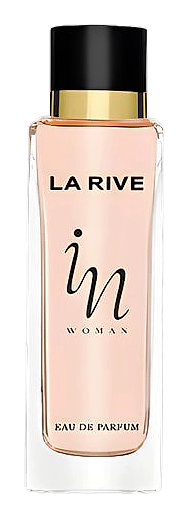
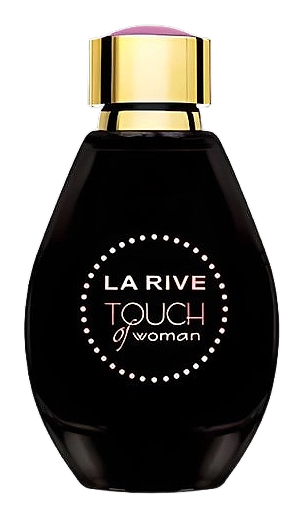
La Rive launched in 2003 from Poland with a clear idea: fragrance shouldn't require a second mortgage. By 2015, the house had grown from a regional startup into a significant European presence, controlling every step of production from composition to bottling. Touch of Woman arrived that year as the brand's statement on modern femininity, sensitive, present, and fully itself. The name says it all. This wasn't a scent for people watching from the edges. It was composed for women who pay attention.
The brief was simple: floral amber, energy, a thread of mystery. What La Rive delivered sidesteps the trap that caught many mid-decade competitors, too much sugar, not enough structure. Here, the sweet-vanilla foundation that defines the style gets tempered by bergamot's citrus brightness and grounded by sandalwood's dry warmth. The result reads unmistakably feminine without tipping into confection. It's the difference between someone who wears perfume and someone who becomes it.
The evolution
The opening hits bright. Peach and bergamot arrive together, fruity sweetness sharpened by citrus that prevents anything cloying from taking hold. You have maybe forty minutes of this before the citrus fades and the florals move in. White flowers don't announce themselves here. They emerge slowly, powdery and warm, like something remembered rather than introduced. The heart lasts the longest stretch, two to three hours of soft cream and bloom. Then the base takes over. Vanilla and sandalwood, close to the skin, intimate rather than projecting. The sandalwood is the tell. It outlasts the vanilla and gives the drydown a woodiness that stops it from going flat. Eight hours later, on fabric especially, that warm woody-vanilla stays.
Cultural impact
Touch of Woman arrived in 2015, a year saturated with sweet-gourmand releases from houses twice its size. Where many competitors leaned into sugar and projection to get noticed, La Rive kept the sillage moderate and the structure intimate. The strategy paid off. Wearers describe it as the fragrance that gets asked about, not from projection across a room, but from proximity. That close-range effect has made it a consistent favorite for daily wear among those who want presence without volume.