Rice Steam
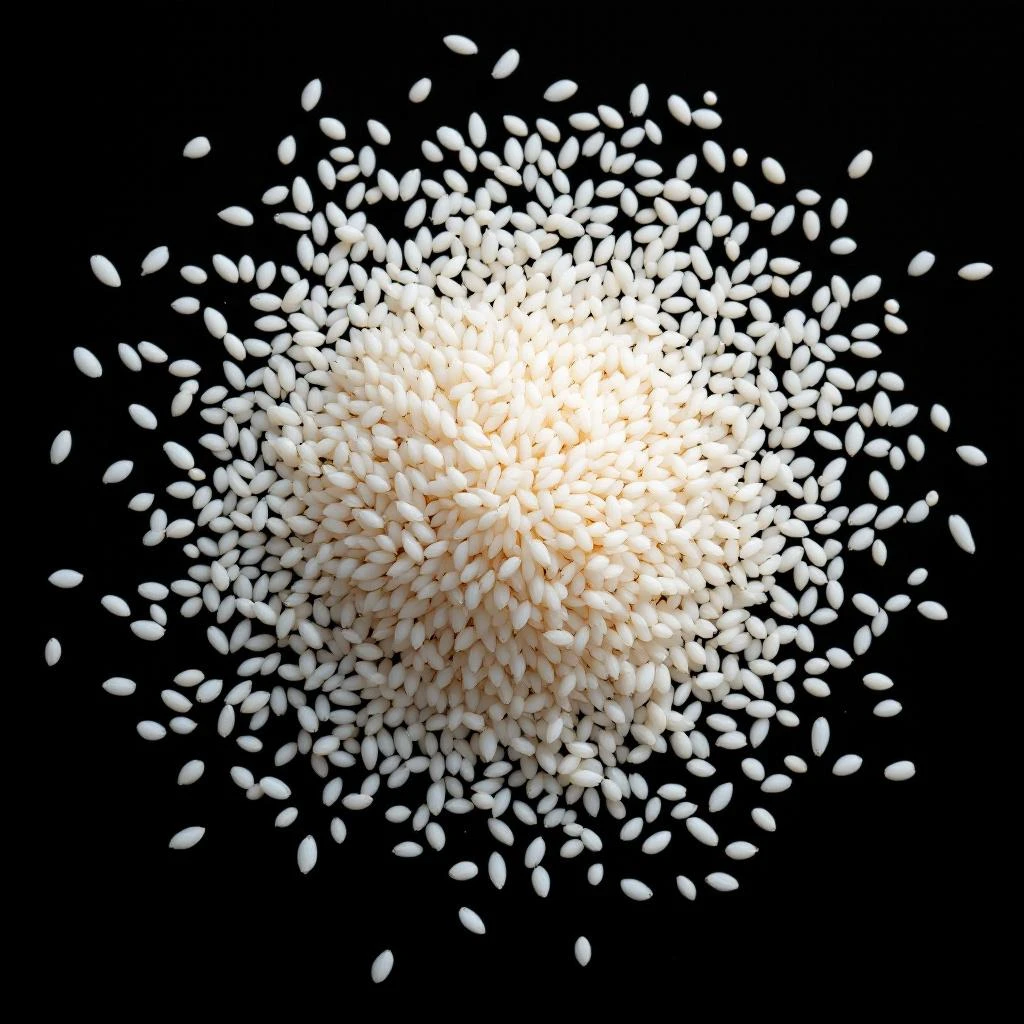
A warm, comforting aroma that captures the steam rising from a pot of freshly cooked basmati rice. This fantasy note evokes cozy kitchens and quiet mornings, combining nutty depth with grassy freshness to create a universally soothing scent experience.
Character
How it smells
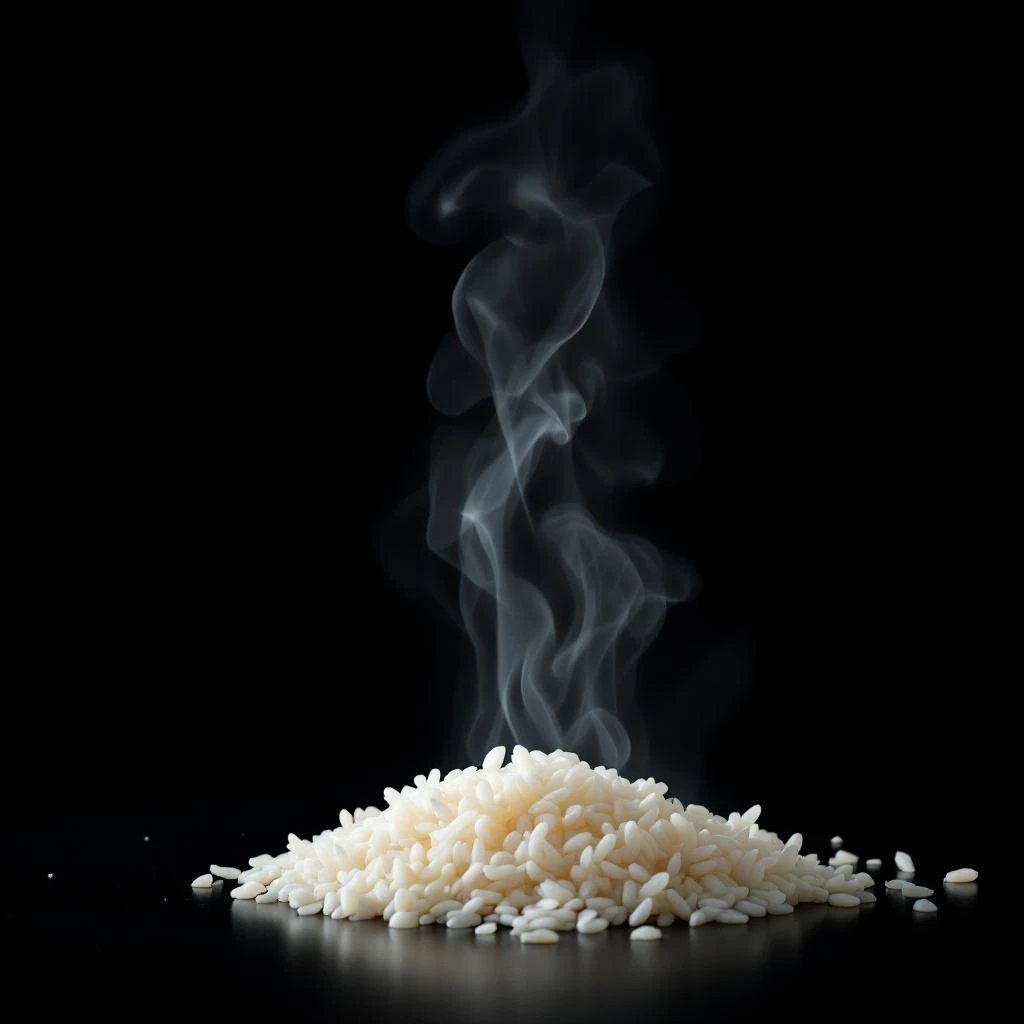
The quiet comfort of steam rising from a pot of basmati rice.
The distinctive popcorn-like aroma of cooked basmati rice comes from 2-Acetyl-1-pyrroline, a compound also found in fresh bread and certain fragrant plants.








Origin
India
Rice cultivation traces back over 8,000 years to the Yangtze River basin in what is now China, eventually spreading across Asia and becoming foundational to countless civilizations. The word basmati, from Hindi and Urdu, translates to "queen of fragrance," a name earned through the grain's distinctive aromatic profile when cooked. Indians and Pakistanis have long considered basmati rice a culinary treasure, integral to biryanis, desserts like kheer rice pudding, and daily meals.
Perfumery adopted the rice steam concept much later, drawn to its universal warmth and comfort. The note emerged as perfumers sought to create fresh, clean, and comforting scents that felt domestically familiar. Japanese perfumerry particularly embraced rice themes, influenced by the grain's centrality in Japanese cuisine and culture, where it serves as both staple food and spiritual symbol.
Today, rice steam appears in niche and mainstream fragrances alike, valued for its ability to evoke domestic comfort and natural simplicity.
Wears it best
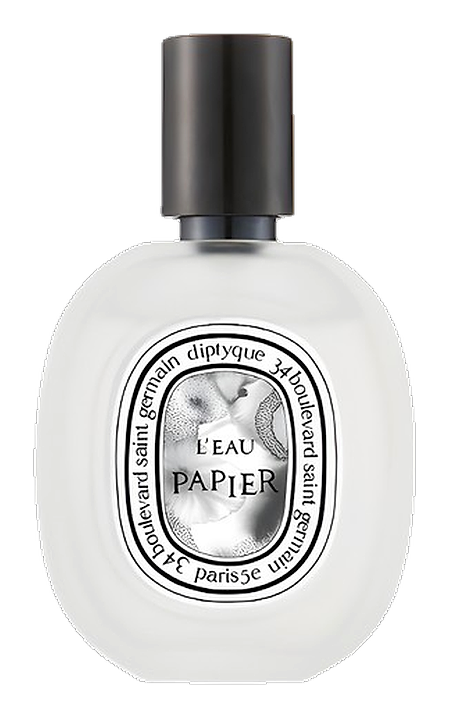
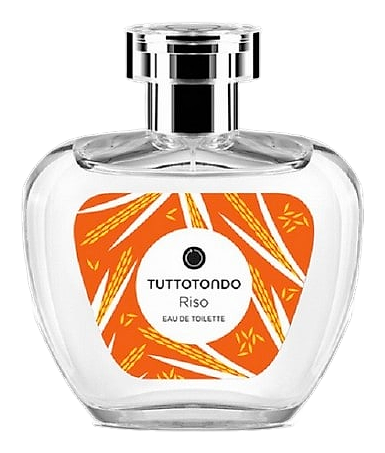
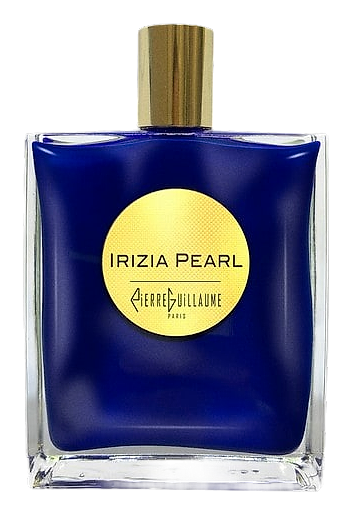
Fragrances featuring Rice Steam









Brands
Brands known for Rice Steam
Good to know
Questions, answered
The essentials on Rice Steam in perfumery: how it smells, where it comes from, and how it behaves on skin.
What does rice steam smell like?
Rice steam captures the warm, starchy aroma of freshly cooked basmati rice. The scent combines nutty depth with subtle grassy notes and a clean, comforting finish. Think of the steam rising from a pot of rice as it finishes cooking.
Is rice steam a natural or synthetic ingredient?
Rice steam is primarily a synthetic note. The characteristic aroma comes from 2-Acetyl-1-pyrroline, a molecule that chemists identified in basmati rice and now produce synthetically for consistent use in perfumery.
What fragrances feature rice steam as a key note?
Kenzo Ki Rice Steam by Kenzo remains the most famous rice-scented fragrance. Specialty houses like Oriza L. Legrand and Providence Perfume Co. also incorporate rice notes into their formulations.
Does rice steam appear in natural rice extract?
Natural rice contains aromatic compounds, but the steam note in perfumery comes from synthesized 2-Acetyl-1-pyrroline rather than direct extraction. This ensures batch-to-batch consistency in fragrance formulations.
What other notes pair well with rice steam?
Rice steam blends naturally with light florals like jasmine and green tea, warm musks, and subtle wood notes. The note works particularly well in clean, skin-friendly compositions that emphasize comfort and wearability.
Why do perfumers use rice steam as a note?
Rice steam evokes universal comfort and domestic familiarity. The note reads as clean and warm without being heavy, making it useful for creating accessible, inoffensive fragrances with mass appeal.
How long has rice been used in perfumery?
Rice steam as a named fragrance note emerged in the late 20th century. Rice itself has been cultivated for thousands of years across Asia, but perfumers adopted its aromatic profile much more recently.
Is rice steam a permanent fixture in perfumery?
Rice steam remains a consistent presence in the fragrance industry, particularly in fresh and clean fragrance categories. Its universal appeal and association with comfort ensure it continues appearing in new releases.