
The Story
Why it exists.
The beginning
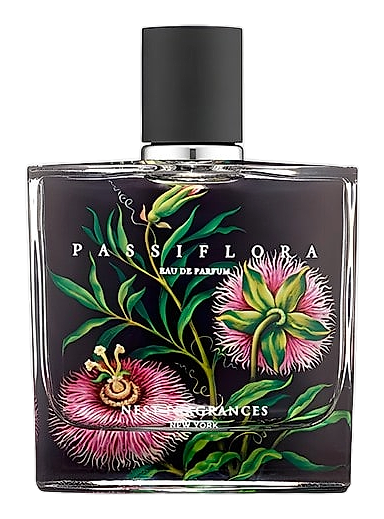
Passiflora takes its name from the passion flower, a climbing vine with tendrils that reach and cling and a bloom so structurally complex it looks almost engineered. The flowers are dramatic, layered corona filaments, five stamens, a three-part stigma that resembles a cross. They're not subtle. In the right climate, they take over a garden wall overnight. But their scent is quiet, almost negligible. This quietness makes them an unexpected material for a fragrance, challenging assumptions about what a tropical bloom should deliver to the nose.
The passion flower brings something tropical, almost sticky-sweet, into a composition that could have gone sharp and watery. It's an unusual choice, and that unexpected combination is what makes the fragrance worth wearing. The white florals in the base don't sweeten it further. They cool it. That's the trick.
The evolution
The opening arrives green but not grassy. Crushed stems, dewy air, the smell of a garden moments after a light rain. Within minutes, the passion flower asserts itself, lush, tropical, sweet enough to feel almost sticky against the green. The hand-off is the test. Some fragrances lose the green entirely. Passiflora holds it. The passion flower deepens, the green retreats to a quiet undertone, and for the next several hours that's the conversation. The drydown is where it earns its keep. Hyacinth brings its cool aquatic quality, lily of the valley adds that clean bell-shaped freshness, and the whole thing settles close to the skin through the workday. Moderate sillage that announces itself only to someone leaning in.
Cultural impact
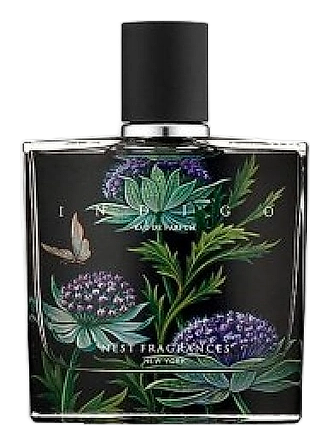
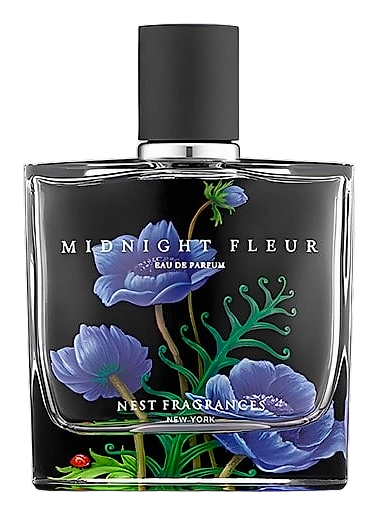
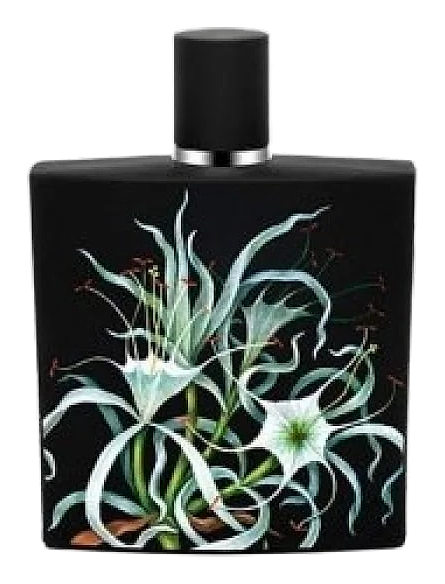
Passiflora launched in 2012 as NEST Fine Fragrances made its debut, marking the brand's transition from home candles to personal fragrance. The collection arrived in matte black bottles decorated with botanical illustrations, signaling a deliberate shift from the candle line into fine perfumery. The bottles' understated design suggested a different kind of luxury, one built around botanical authenticity rather than perfumery house heritage. It was a statement of intent that set NEST apart from established fragrance traditions.