The Story
Why it exists.
The beginning
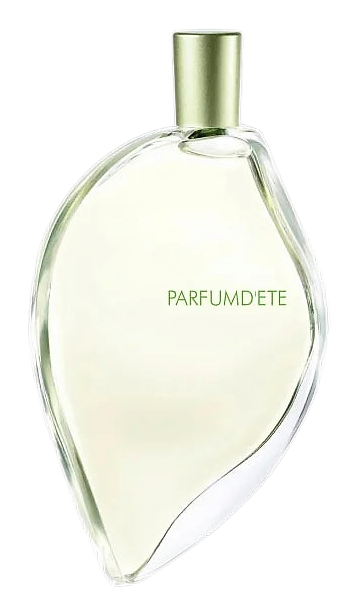
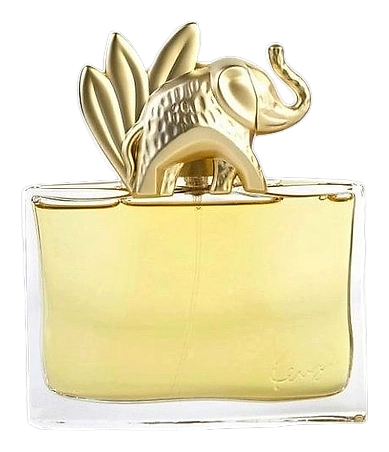
Parfum d'Été. The name says everything and nothing. "Summer Perfume." It's 1992, when a name could be a concept and a concept could be a fragrance. The brief was to capture a season's worth of feeling, the heat that releases jasmine at dusk, the evenings that stretch past midnight, the specific weight of sunlight on bare skin. What emerged was unexpected. A summer fragrance that opens green. The top note is lily of the valley leaf, not a flower, green, crisp, almost aquatic. The name promises warmth and the structure delivers coolness first. That tension is the point.
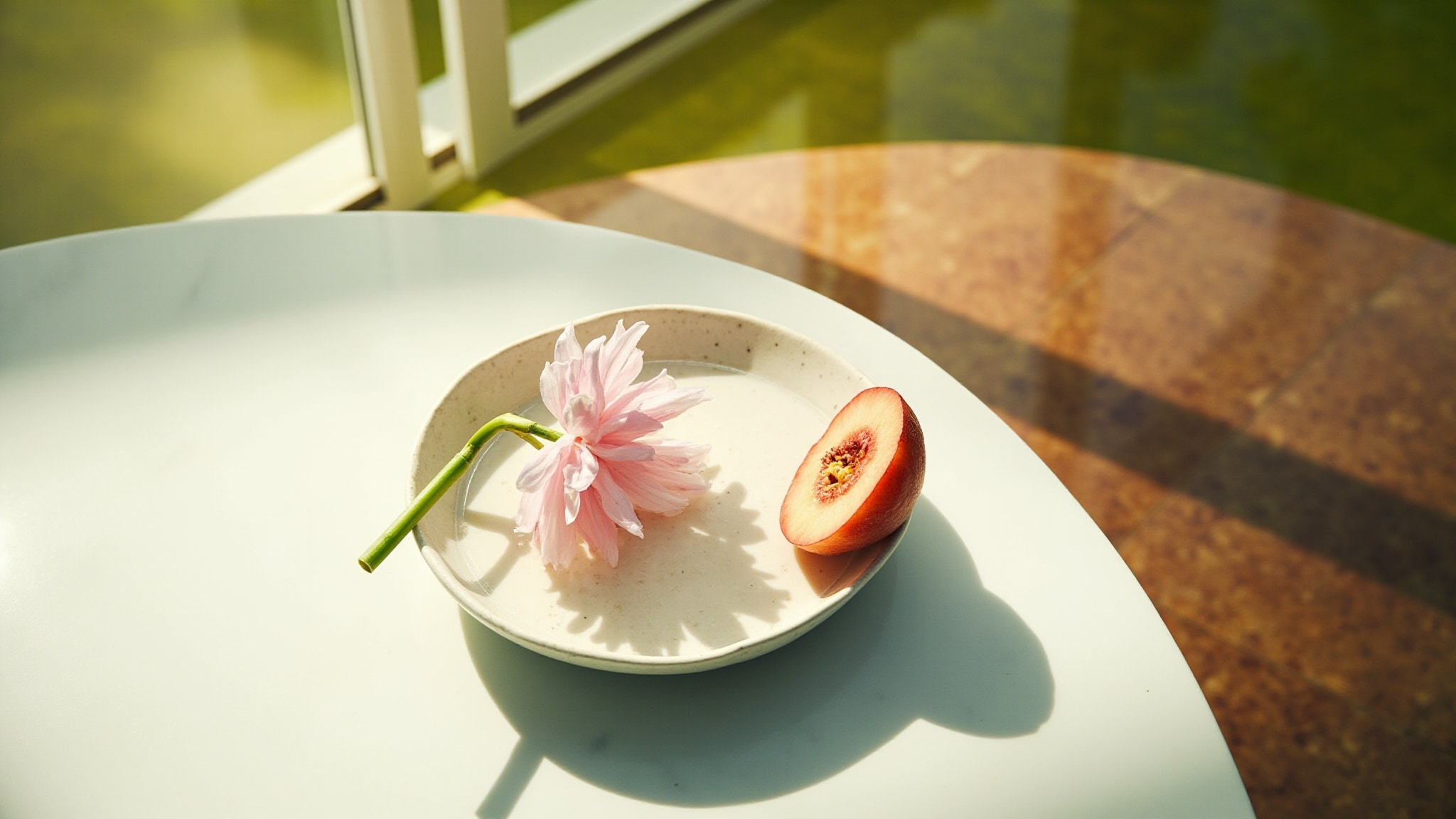
What makes this composition interesting is the structural choice to lead with a leaf, not a bloom. Hyacinth brings a green, almost vegetable freshness alongside the lily of the valley leaf, together they create a dewy, early-morning quality that feels nothing like summer's heat. Then peach arrives as the bridge. Soft, ephemeral, it reminds you that warmth is coming. The heart builds from there: peony and rose anchoring a white floral cluster that includes jasmine, ylang-ylang, and freesia. The composition earns its "Été" in the heart, not the opening. The oakmoss base is the final surprise, green and earthy persisting into the drydown, keeping the entire fragrance anchored in nature even as the florals bloom.
The evolution
The opening hour unfolds with green confidence. Lily of the valley leaf cuts through sharply, hyacinth adds its slightly bitter edge, and peach sits underneath like a soft promise of sweetness to come. The green notes are crisp, almost aquatic in their clarity, creating an unexpected freshness that sets the tone for what follows. Mahogany provides subtle structure, more architectural than aromatic, lending unexpected elegance without announcing itself. By the second hour, florals take center stage. Peony anchors the heart with its lush, romantic presence, jasmine layers in with full-bodied warmth, and ylang-ylang adds tropical creaminess that remains graceful rather than overwhelming. Rose contributes quiet but present vintage warmth, giving the composition a deliberate, considered quality that speaks to thoughtful craftsmanship.
Cultural impact
Parfum d'Été arrived in 1992 as part of Kenzo's early fragrance identity. The fragrance fits the early 90s aesthetic: green, translucent, clean, with enough complexity to reward attention. Wearers describe it as the kind of fragrance that becomes a signature, something worn for decades, reapplied without thinking, remembered long after it's gone. It carries a quiet, personal resonance for those who found it, becoming a trusted companion through seasons and memories. The composition speaks to a time when fragrance creation allowed for quieter, more introspective explorations of familiar themes.