
The Story
Why it exists.
The beginning
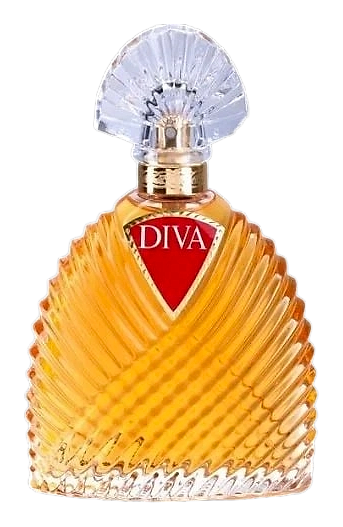
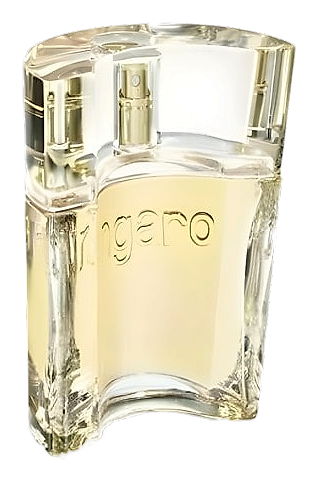
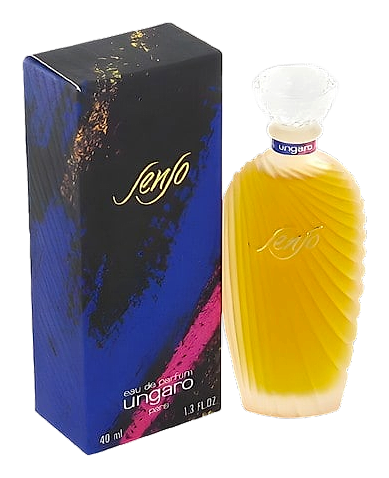
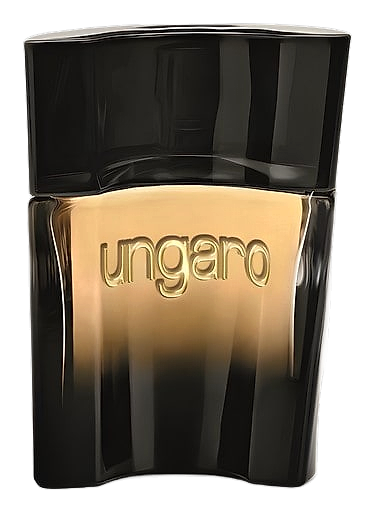
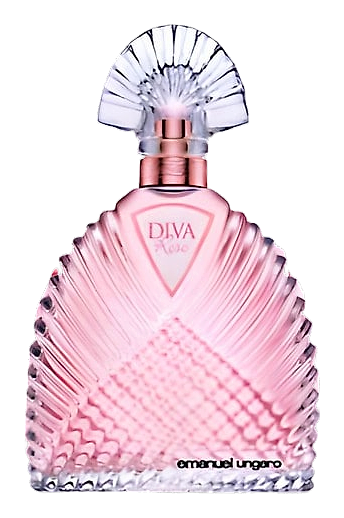
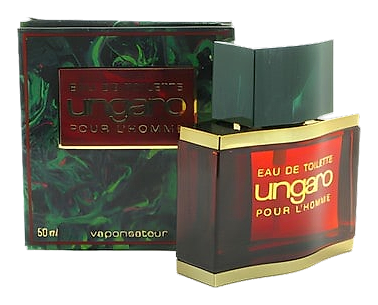
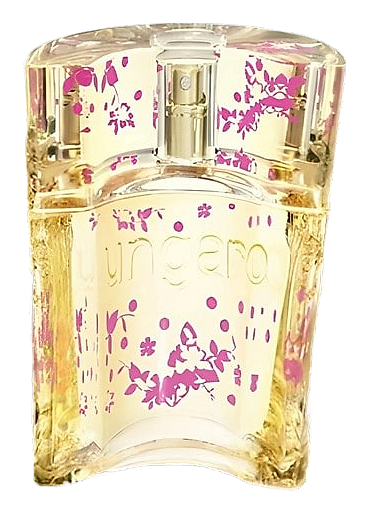
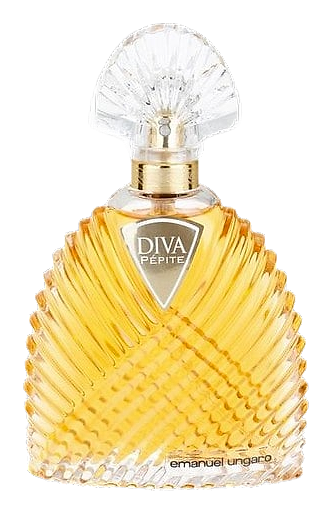
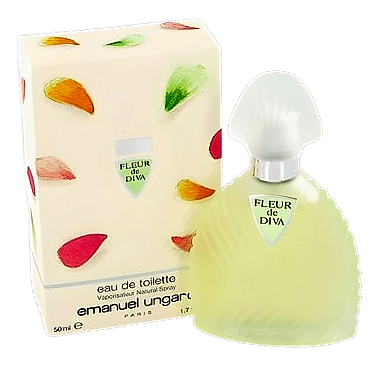
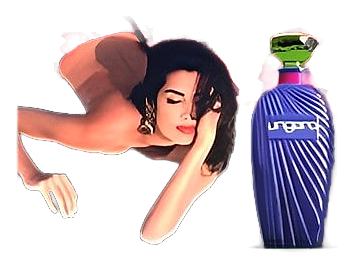
Ungaro's first fragrance arrived in 1977, designed to translate the house's couture sensibility into something you could wear on skin. The bottle itself was a statement, ribbed glass echoing a pleated sheath, linking scent to the architectural silhouettes that made the label famous. Julie Massé built the composition around a tension the house loved: bold structure meeting lyrical softness. The aldehydic floral was meant to capture a woman who didn't need to announce herself, she walked in, and the room recalibrated around her.
The aldehydic structure is the key to understanding why this fragrance still gets discussed. Aldehydes give citrus and florals a soapy, luminous lift, they make everything brighter, more effervescent, more present. Here, they elevate orange blossom and neroli into something that feels like light caught in silk. Below that sparkling surface, Turkish rose and jasmine absolute hold their ground with quiet authority. The powdery iris and lily of the valley in the heart aren't accidents, they're the deliberate vintage signature, the era's aesthetic DNA encoded in chemistry. Tonka, vanilla, and sandalwood in the base don't try to be modern. They simply hold the composition close, warm, and intimate.
The evolution
The opening arrives fast, aldehydes brighten the orange blossom and neroli within seconds, with bergamot and lemon adding a citrus sparkle that feels like light through glass. That first 15 minutes is the fragrance at its most arresting. Within an hour, the heart takes over. Turkish rose dominates, with iris and lily of the valley providing structure beneath. That powdery quality, deliberate, not accidental, is the tell. Very 1977. As the rose fades, tonka bean and vanilla arrive. Sandalwood softens everything into a warm, intimate close. Musk and cedar hold it quiet for hours. The aldehydes disappear first. The warm drydown lingers closest to the skin, the part someone has to lean in to find.
Cultural impact
Ungaro arrived in 1977 as the house's first fragrance, a statement of intent from a couture label known for bold femininity. The aldehydic floral structure captured the era's appetite for opulent, unapologetic scent. Some find it dated. Others find it timeless. The fragrance doesn't argue either way.
The House
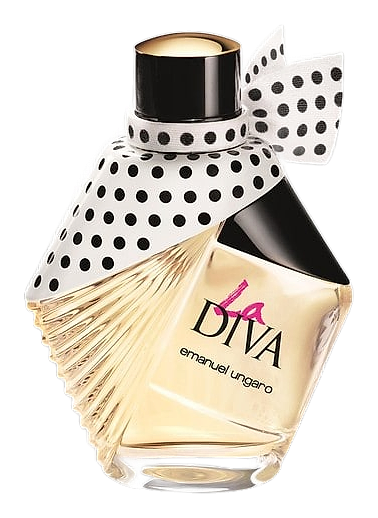
Emanuel UngaroEmanuel Ungaro is a French fashion house that extends its runway sensibility into fragrance. Founded in 1965, the label translates couture silhouettes into scented compositions that balance bold structure with lyrical nuance. The perfume portfolio spans from the 1977 debut Ungaro, a spicy‑aldehydic floral, to contemporary releases such as Yellow Chic (2024) and Heavenly Petals (2025). Each scent carries the house’s signature blend of vibrant color and refined form, inviting wearers to experience a wearable piece of the brand’s artistic legacy.
The Creator
Julie MasséMassé gravitates toward warm woods, vanillas, and crisp citrus when building a fragrance. She has a particular affinity for ingredients that create what she calls an incomparable sillage, a signature trail that stays with a wearer.