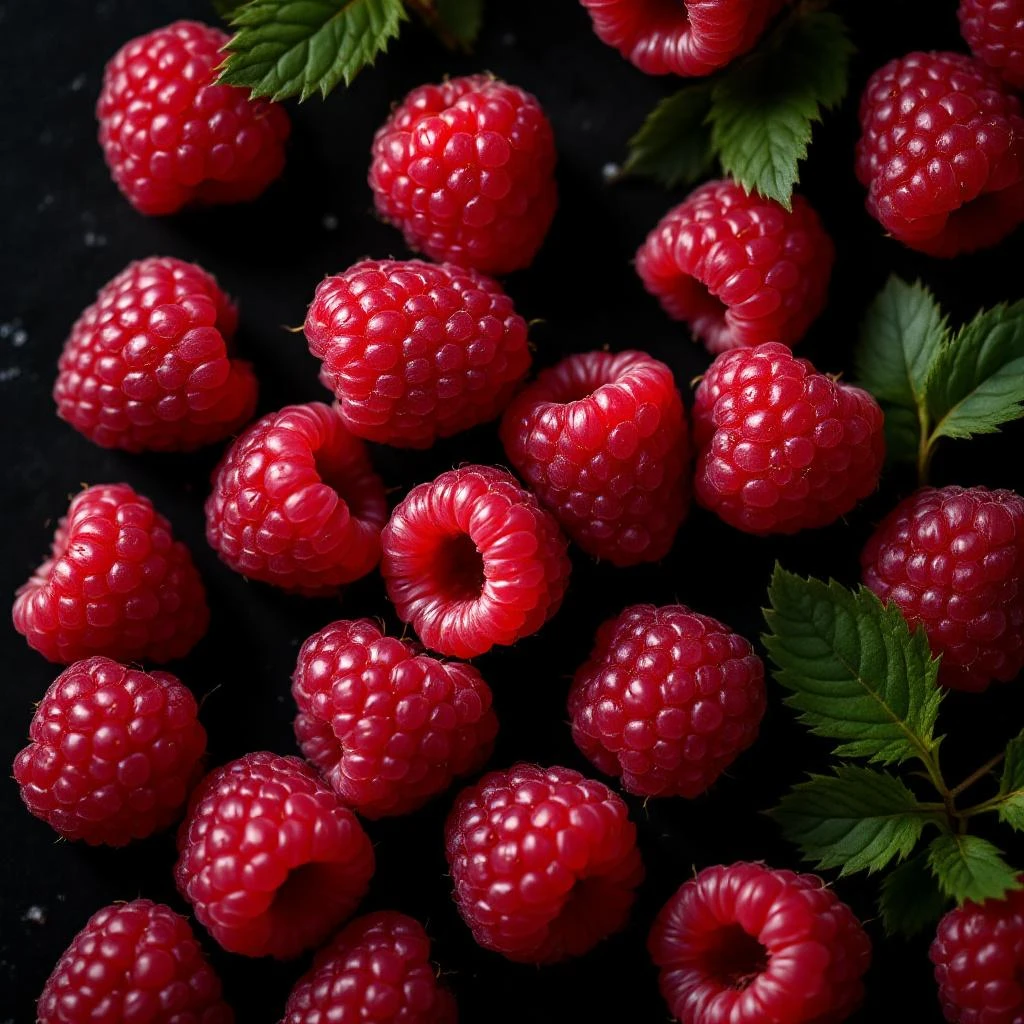
Raspberry Liqueur
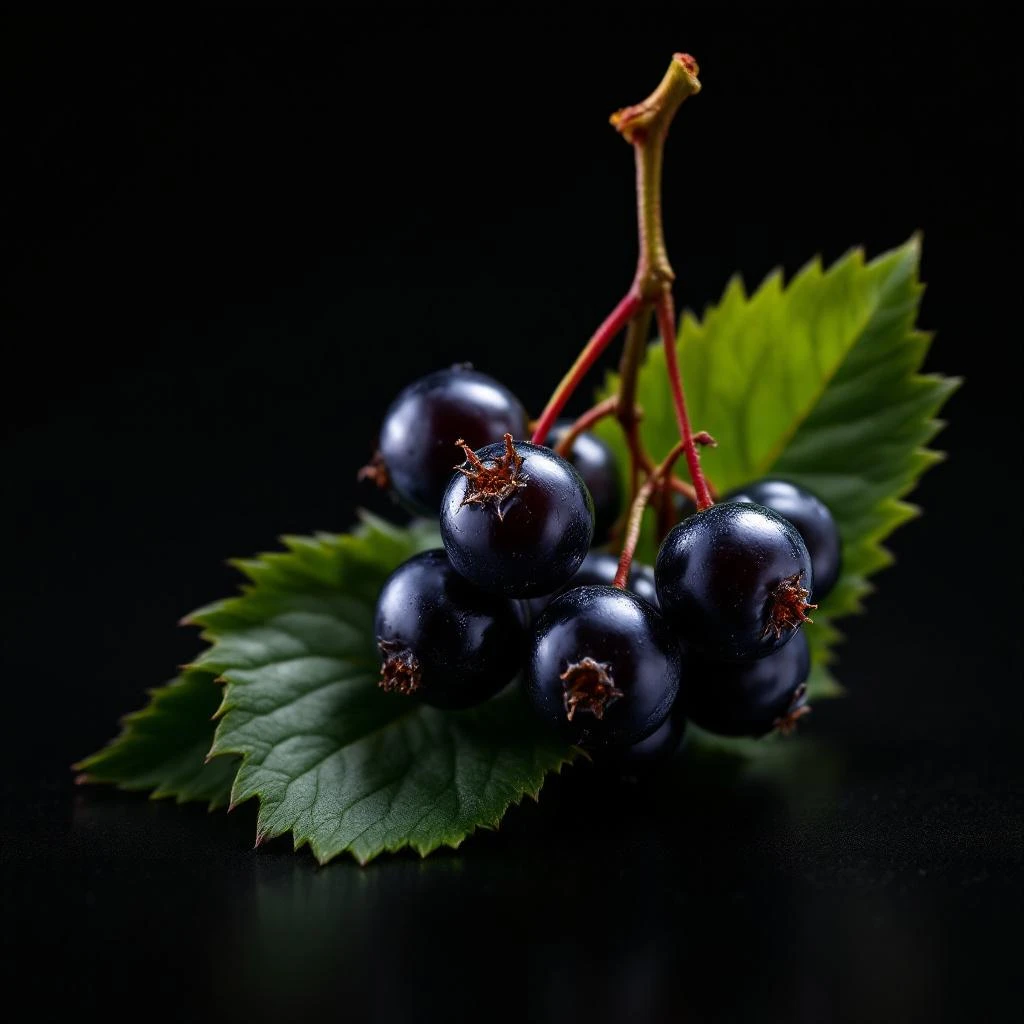
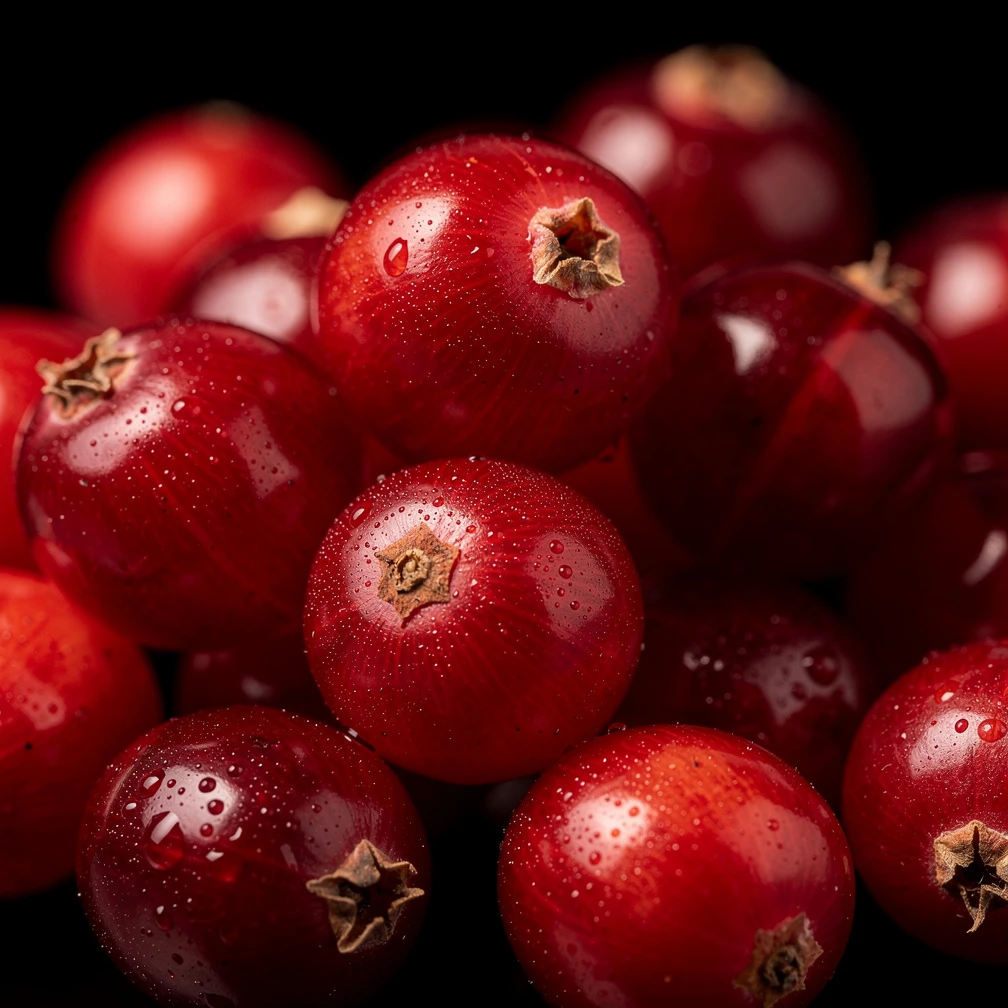
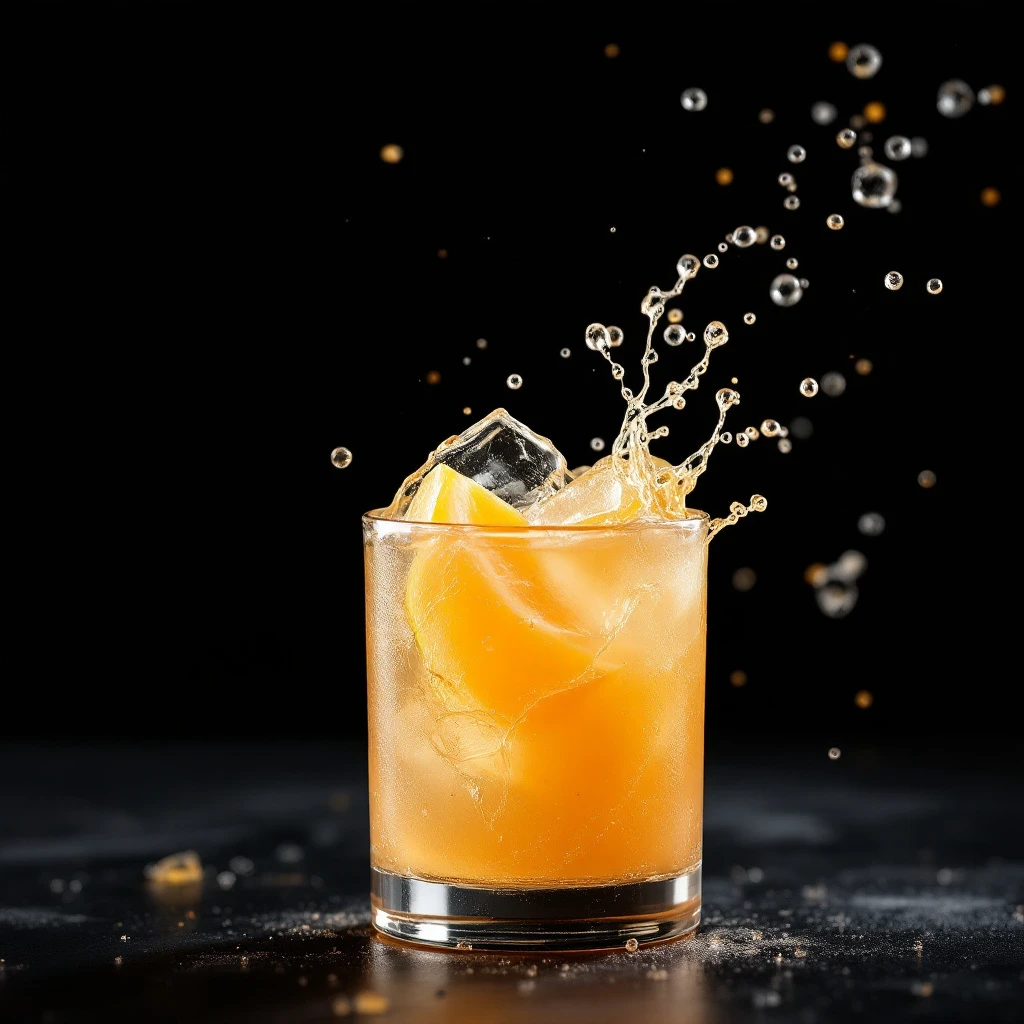
Raspberry liqueur captures the bright, tangy sparkle of ripe berries soaked in spirit, delivering a sweet‑tart accent that brightens modern compositions. Its crisp edge and subtle warmth make it a favorite for designers seeking a playful yet refined fruit nuance.
Character
How it smells
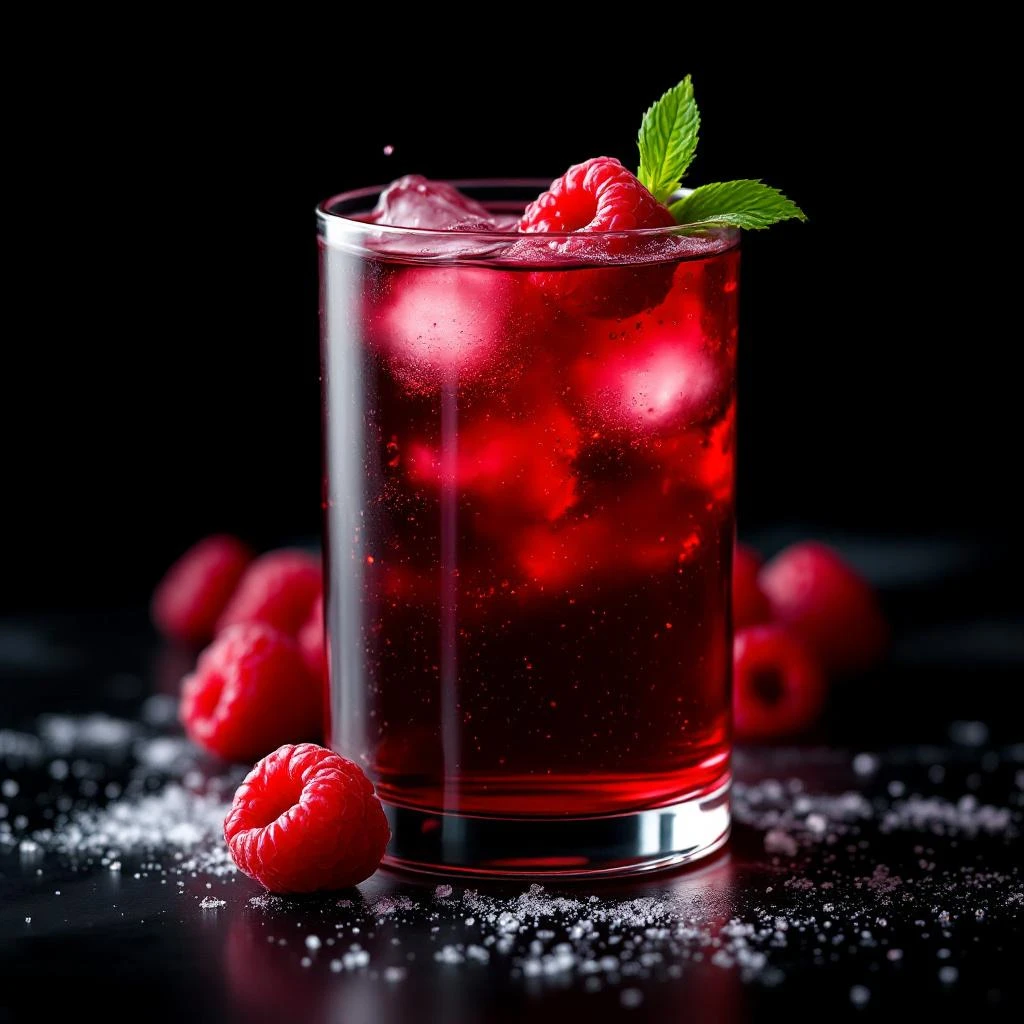
Bright, sweet‑tart spirit of ripe berries in a single note.
The raspberry liqueur aroma is recreated primarily from two synthetic esters—hexyl acetate and ethyl hexanoate—first identified as key raspberry scent compounds in a 1998 flavor chemistry study.






Origin
Poland
Fruit aromas entered perfume formulations in the late 19th century, when chemists began isolating volatile compounds from berries and citrus. Raspberry, prized for its vivid colour and culinary use, appeared in early tinctures and cordials, but its scent remained elusive due to rapid oxidation.
The breakthrough came in the 1920s, when synthetic ester technology enabled the recreation of raspberry's bright profile. By the 1960s, perfumers experimented with adding alcohol nuances, giving rise to the raspberry liqueur concept—a hybrid of fruit and spirit.
This note gained prominence in the 1990s, aligning with a trend toward gourmand fragrances that celebrated edible inspirations. Today, raspberry liqueur serves as a bridge between fresh fruit and warm spirit, reflecting a century of innovation from natural extraction to precise synthetic engineering.
Wears it best
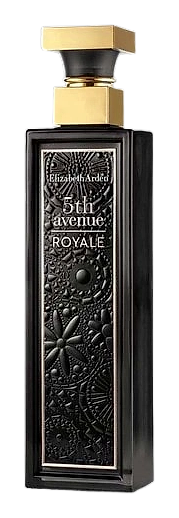
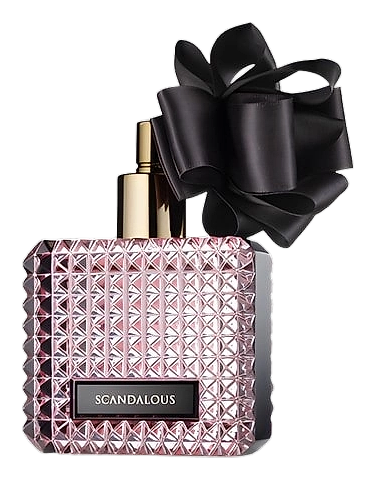
Fragrances featuring Raspberry Liqueur
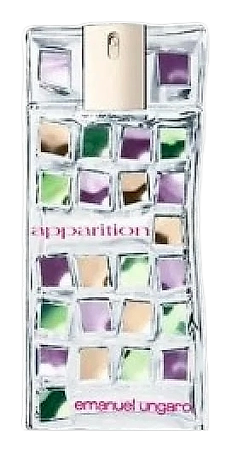
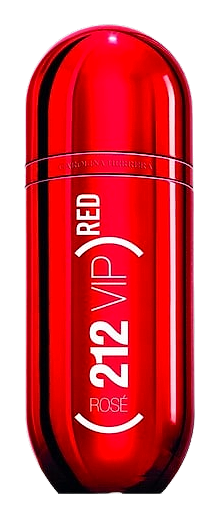
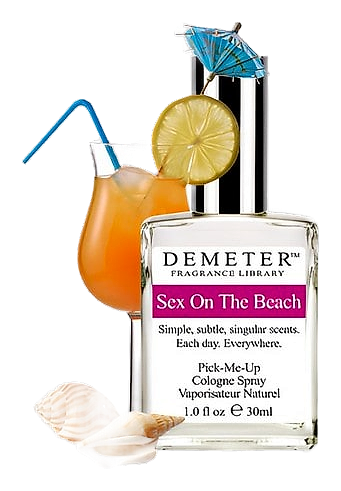
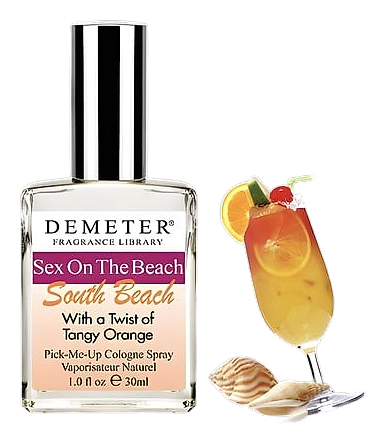
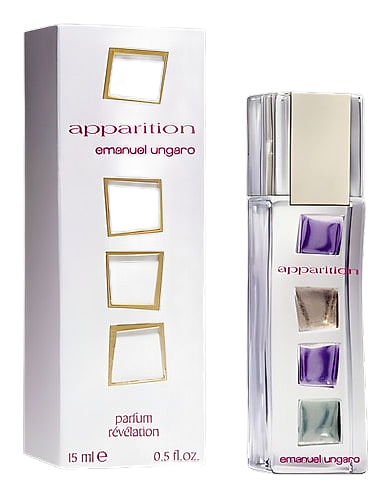
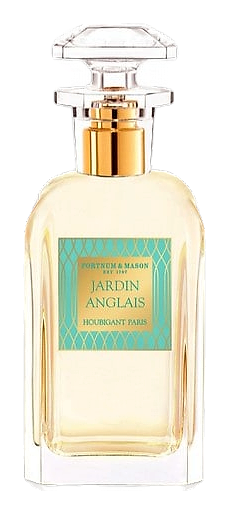
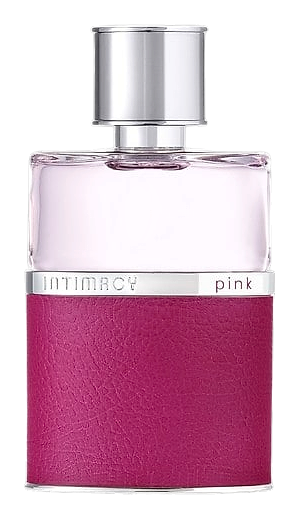
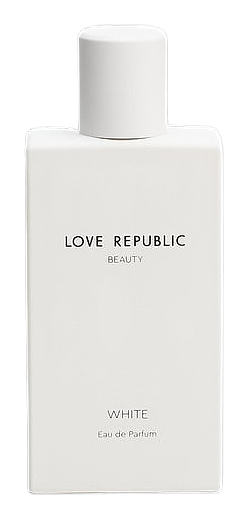
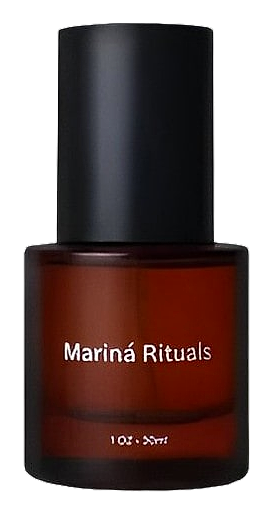
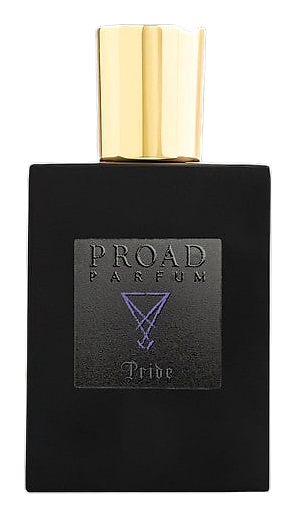
Brands
Brands known for Raspberry Liqueur
Good to know
Questions, answered
The essentials on Raspberry Liqueur in perfumery: how it smells, where it comes from, and how it behaves on skin.
What defines the raspberry liqueur note?
It is a sweet‑tart aroma that mimics raspberries steeped in spirit. The profile relies on esters like hexyl acetate, identified in a 2022 perfumery guide as the primary raspberry scent carrier.
Is raspberry liqueur derived from natural raspberries?
Commercially, the note is built from synthetic esters rather than direct fruit extraction. A 2021 industry report notes that over 90% of raspberry liqueur ingredients are synthetically produced for stability.
Which chemical compounds create the raspberry liqueur scent?
Hexyl acetate provides fresh green fruit tones, while ethyl hexanoate adds sweet, slightly alcoholic warmth. Laboratory analysis in 2019 measured these esters at concentrations of 0.3‑0.5% in typical blends.
How does raspberry liqueur differ from plain raspberry note?
The liqueur version incorporates a subtle alcoholic edge, giving it a richer, rounded feel. Sensory panels in 2020 recorded a 15% higher perception of warmth compared to pure raspberry accords.
Can raspberry liqueur be used in all fragrance families?
Yes, its bright acidity and soft spirit quality blend well with floral, oriental, and woody bases. A 2018 market survey found it featured in 42% of gourmand and 27% of fresh compositions.
What sustainability considerations apply to raspberry liqueur production?
Synthetic production reduces agricultural waste and water use. According to a 2023 life‑cycle assessment, synthetic ester routes emit 30% less CO₂ than large‑scale fruit distillation.
Is raspberry liqueur safe for skin contact?
The synthetic esters used are approved by major regulatory bodies for cosmetic use. The European Cosmetic Ingredient Database lists hexyl acetate with a skin‑sensitization rating of 0.02% at typical concentrations.
How long does the raspberry liqueur note last on the skin?
It is a middle‑to‑top note that typically fades after 2‑3 hours. A 2022 diffusion study recorded an average evaporation half‑life of 1.8 hours for the ester blend.