The Story
Why it exists.
The beginning
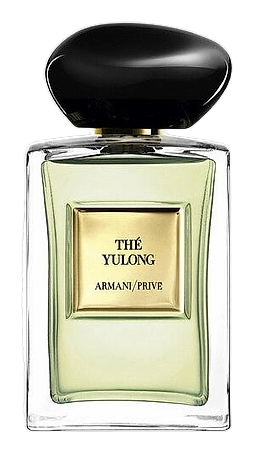
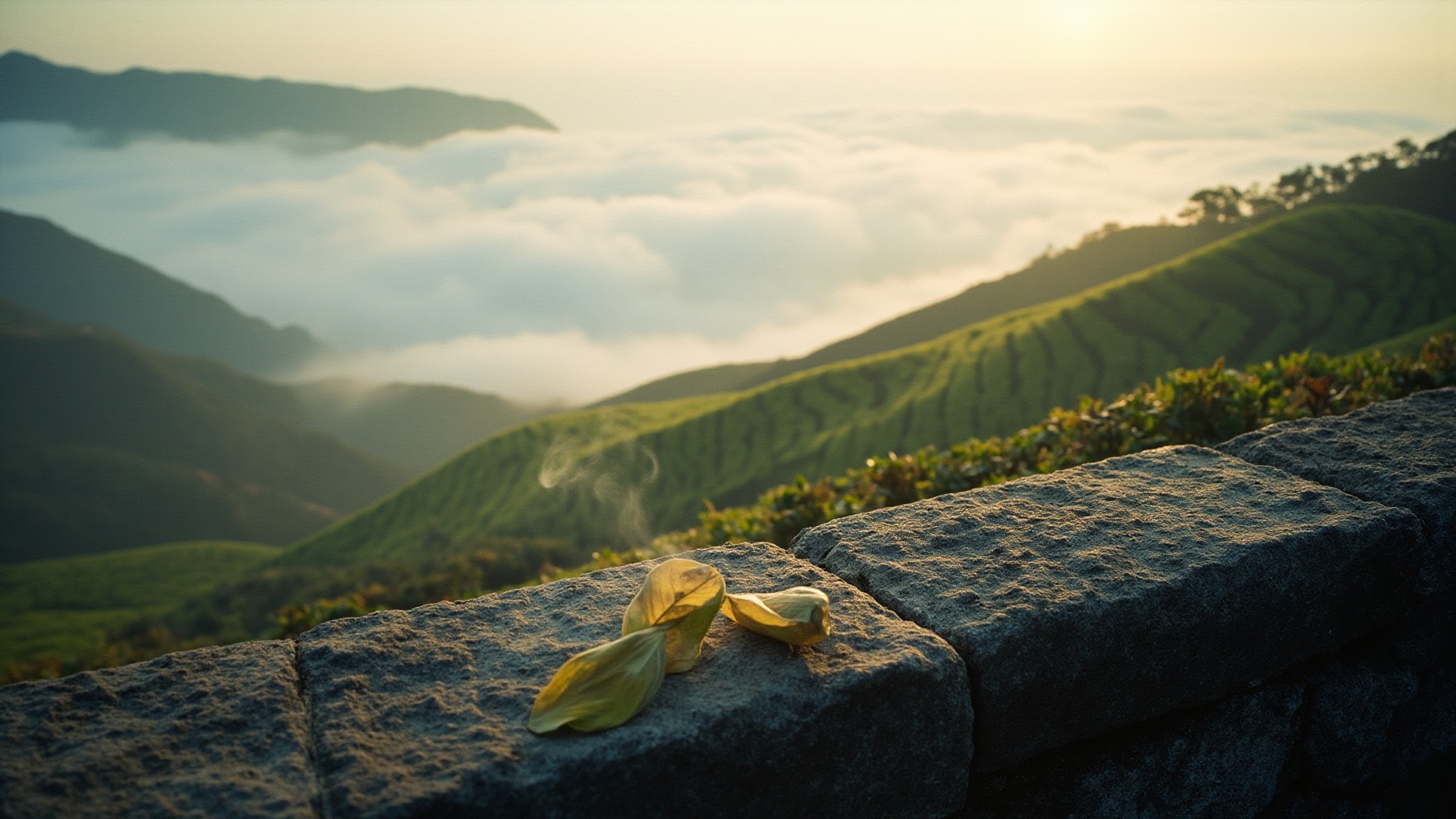
Giorgio Armani founded his house in Milan in 1975, building a fashion philosophy around refined simplicity and effortless authority. His fragrance line extends that same principle: scents that enhance presence without announcing it, designed to feel like a second skin. Thé Yulong draws from the Yulong mountain range in Yunnan, a region celebrated for its tea cultivation, and perfumer Julie Massé translated that landscape into a fragrance that captures altitude, morning mist, and cultivated green. The composition uses green tea and black tea as its structural pillars, supported by a citrus and spice opening and a clean musk-and-iris base.
The choice of mandarin orange, petitgrain, and cardamom in the opening reflects an intent to ground the tea concept in something grounded and tactile before the floral heart arrives. Jasmine and orange blossom in the heart serve to soften the green tea tannins rather than compete with them. The drydown with ambrette, iris, and vetiver brings the composition back to earth with a clean, dry finish that feels intentional rather than an afterthought. The result is a fragrance that functions as a continuous line from bright citrus to dry wood and musk, with no unnecessary flourishes.
The evolution
The opening begins with mandarin orange and petitgrain delivering an immediate citrus greenness, sharpened by cardamom warmth. This bright start softens to reveal a heart built around green tea and black tea, a combination that feels both aromatic and slightly bitter, grounded by jasmine and orange blossom that lend softness to the tea tannins. As the heart fades, the drydown introduces ambrette for a natural musk quality, iris for powder, and vetiver for a dry, earthy finish. The progression is deliberate and cohesive, each layer emerging without abrupt transition.
Cultural impact
Tea as a fragrance concept invites exploration. Green tea brings a crisp, slightly bitter freshness that can feel almost medicinal in lesser formulations, while black tea offers fermented, smoky depth that reads as substantial and grounding. The combination requires careful balance to avoid feeling disjointed. Thé Yulong finds that balance, treating green and black tea not as competing elements but as complementary voices that create something more nuanced than either could achieve alone. Jasmine and orange blossom appear as supporting notes, their floral presence deferential to the tea accord rather than overwhelming it.