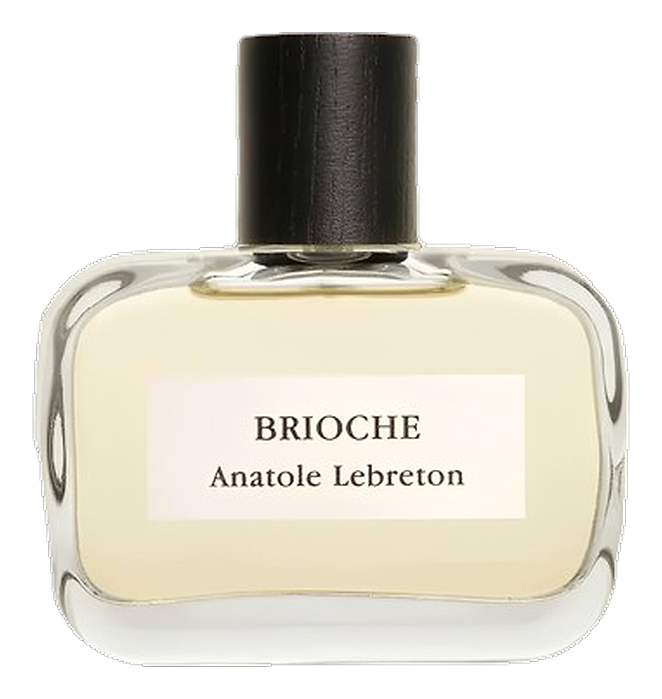

The Story
Why it exists.
The beginning
Lebreton has a thing about baking. Not the smell of baking, a distant thing, a rumor of pastry on the wind. The whole act of it. The patience. The warmth that fills a kitchen and stays in the walls. Brioche, released in 2022, is that idea made actual. It doesn't stop at the sweetness most gourmand fragrances chase. It goes deeper. Into the grain, the bran, the honey that's been warming on the counter since dawn. Anatole Lebreton wanted a fragrance that smelled like someone had actually been in the kitchen, not just the result, but the whole morning that led to it. The name says everything. Brioche isn't a metaphor here. It's the point.
Most fragrances named after food give you the idea of it. A suggestion. A memory. The real thing, translated into something wearable but ultimately safe, sweet without depth, edible without substance. Anatole Lebreton's Brioche doesn't do safe. The inclusion of bran absolute is the tell. It's not a romantic note. It brings something grainy, almost nutty, a touch of earth that stops the whole composition from floating into abstraction. Combined with hay from the base, it grounds the sweetness in something real. This isn't a fantasy bakery. It's the kitchen where the baking actually happens. Tonka bean and honey do the sweet work, but they don't dominate. They layer. They build warmth rather than sugar.
The evolution
The opening is immediate. Butter, brioche, croissant, not in sequence, all at once. The croissants next door come through the window, golden and just-baked, the butter still vanishing from the crust. For about thirty minutes, it's all warmth and richness. Then the middle arrives. The honey doesn't disappear, it deepens, becomes almost smoky, joined by the bran absolute that gives everything a grainy, muffin-like depth. The tonka bean adds a faint vanilla sweetness, but it's woven in, not plastered on top. This is the phase that surprises most people. There's more complexity here than the opening promised. The drydown is where it lives longest. The hay takes over, dry and green, keeping the sweetness honest. Sandalwood adds a soft creaminess that lingers. Six to eight hours later, on skin, on fabric, this is what remains. Not the bakery. The warmth that stays after everyone's gone home.
Cultural impact
Brioche sits comfortably in a category that's grown crowded: the edible, the gourmand, the warm. What sets it apart is restraint. Where most baking-inspired fragrances lean into sugar and sweetness, this one pulls back. The hay and bran keep it grounded. The honey stays honest. It's the kind of fragrance that earns its name. People who love it use that word, brioche, correctly. They mean the whole thing: the buttery warmth, the grain, the morning kitchen feeling. Not a simulation. The real thing, translated into something you can wear.