The Story
Why it exists.
The beginning
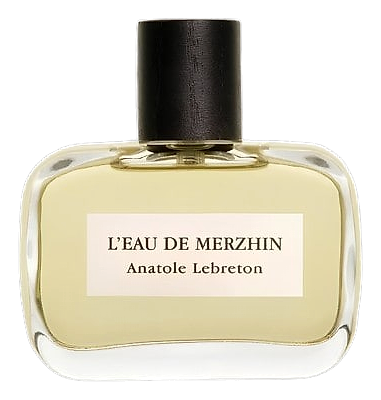
The name Merzhin is a Breton word, tied to the wild moorland of Brittany in western France, a landscape of deep moss, damp earth, and hawthorn groves that bloom in the first days of spring. Anatole Lebreton built L'Eau de Merzhin around a specific memory: that moment when the countryside exhales after rain, when the air smells simultaneously green and sweet, earthy and alive. The fragrance doesn't aim for the polished green of mainstream perfumery. It aims for the actual thing, the kind of smell that gets into your clothes and stays there, that makes you want to walk into a field and not come back.
What makes this composition unusual is the refusal to let any single note dominate. The green accord isn't galbanum alone, it's galbanum held in tension with violet leaf's cool dampness and angelica's bitter herbal depth. The heart isn't just floral, it's hawthorn's quiet sweetness woven through sweet acacia and vernal grass, creating a powdery haze that feels like standing inside a bloom rather than smelling it from a distance. The base layers green hay, iris, and moss in a way that extends the opening's character rather than transforming it. This is a fragrance that commits to its initial impression and never really lets go.
The evolution
The opening hits sharp and fast, galbanum's bitterness cuts through like cold stream water, quickly joined by angelica's earthy bite and violet leaf's cool, almost mentholated freshness. This initial burst lasts roughly 30 minutes before the composition softens. The heart arrives quietly: hawthorn emerges as a subtle sweetness threaded through the green field, with sweet acacia adding a powdery floral warmth and sweet vernal grass bringing a hay-like quality that deepens the overall impression. The drydown doesn't so much transform as settle. Moss becomes the anchor, green hay the persistent backbone, iris adding a powdery grace that prevents the earthiness from becoming heavy. Tonka bean whispers just enough sweetness to keep the finish from being austere. The fragrance holds its green character throughout, from opening sharpness through powdery heart to the final hay-and-moss embrace.
Cultural impact
L'Eau de Merzhin occupies a specific corner of niche perfumery, the green fragrance for someone who finds typical 'green accords' too polished, too safe, too mass-market. The moorland imagery and the Breton reference give it a specificity that resonates with wearers seeking something beyond the usual masculine-or-feminine green framing. Those drawn to hay and moss as base materials will find kinship here, and the community of fans tends to describe it in terms of place and memory rather than note lists.