
The Story
Why it exists.
The beginning
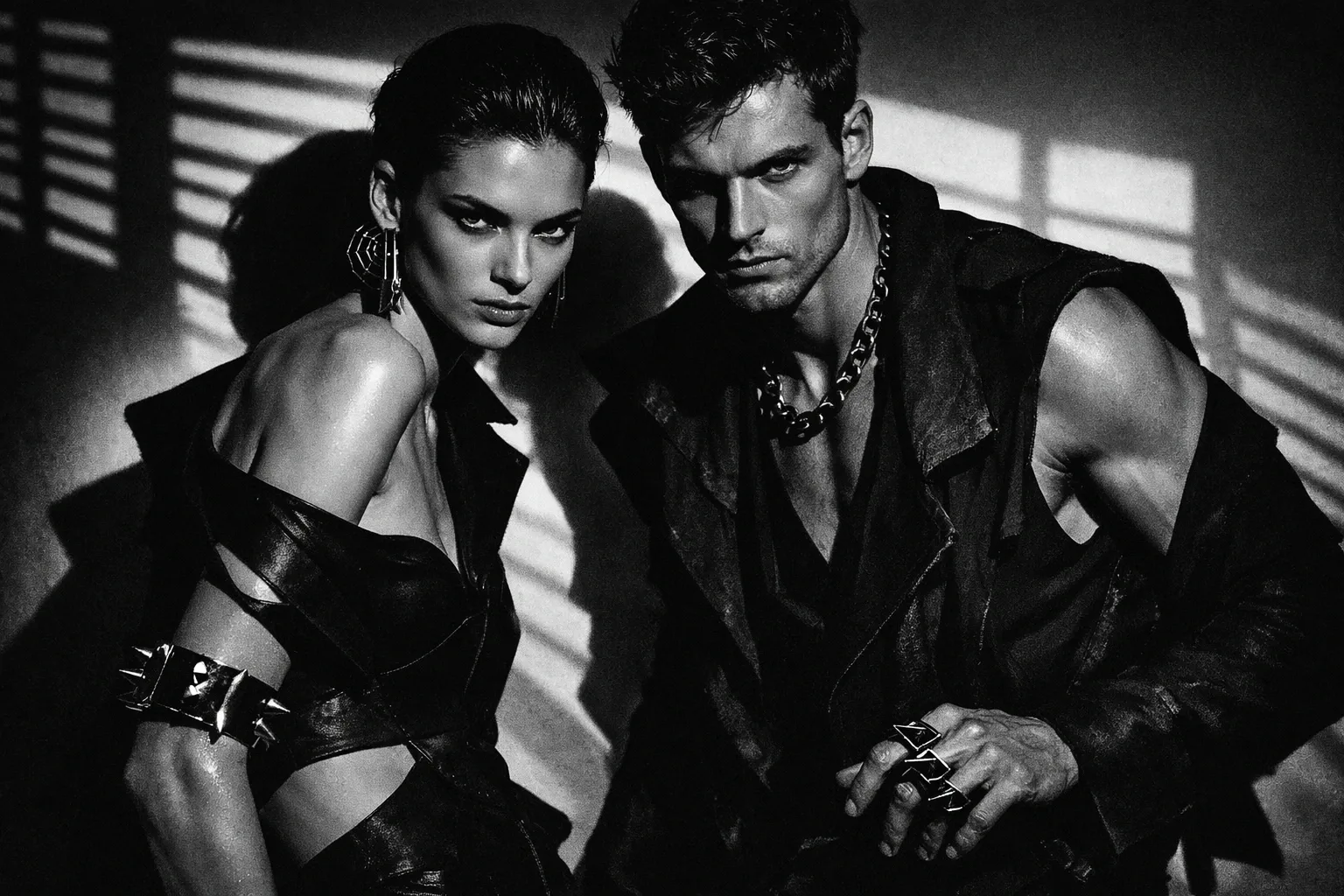
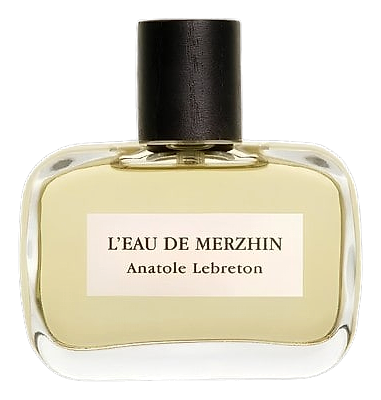
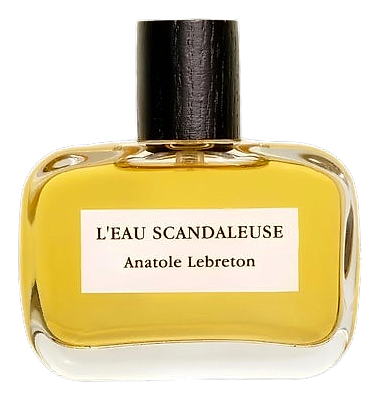
L'Eau Scandaleuse arrived in 2014 from Anatole Lebreton, the Provençal perfumer who built his house on the idea that fragrance should feel like personal diary entries, unsanctioned, unhurried, free. The name itself is the concept: scandal. Something that shouldn't work, does anyway. Lebreton wanted to capture the moment a beautiful thing gets uncomfortable, the moment you realize the tuberose wasn't just being pretty, it was being provocative. The brief wrote itself: a fatal tuberose shamelessly revealing its peach-skinned flesh, dancing with dark, animal leather around a teardrop of fruity liqueur. No hedging. No apology.
What makes this work is the castoreum anchoring the tuberose. Castoreum, derived from beaver castor glands, carries a leathery, animalic, almost feral warmth that most perfumers use in traces, as a whisper under the main event. Here it's a full voice. The leather doesn't just support the florals; it challenges them. Ylang-ylang's tropical creaminess tries to smooth things over, but the artemisia and nagarmotha keep pulling the composition back toward earth, toward smoke, toward something that doesn't care if you find it attractive. That's the scandal. It's beautiful and it knows it, but it's also a little bit dangerous.
The evolution
The opening announces itself with davana and bergamot, a bright, herbal-citrus burst that lasts maybe fifteen minutes before the tuberose pushes through. That transition is jarring the first time. The brightness doesn't fade so much as it gets interrupted. Suddenly you're in the heart: tuberose and leather, ylang-ylang threading cream through the animalic bite. This phase lasts the longest, three to four hours, and it's where most people form their opinion of the fragrance. Either they lean in or they pull back. The drydown doesn't really arrive so much as settle. Castoreum, oakmoss, and that smoky nagarmotha ground everything into a warm, mossy whisper that stays close to the skin for hours. On fabric, it lingers until the next morning.
Cultural impact
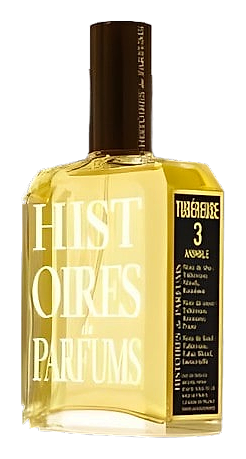
L'Eau Scandaleuse occupies a specific corner of niche perfumery: the animalic-floral that's confident enough to be uncomfortable. It sits alongside fragrances like Histoires de Parfums Tubéreuse 3 Animale and Francesca Bianchi's Tyger Tyger, compositions that treat intensity as a feature, not a flaw. Wearers describe it as the scent of someone who walks into a room and doesn't need to announce themselves. It's not trying to please everyone. That's the point.
The House
Anatole LebretonAnatole Lebreton is a niche fragrance house rooted in the rolling hills of Provence. Founded in 2014, the label translates the founder’s personal journey into a line of “parfums de liberté” that balance classic French technique with an off‑beat sensibility. Each scent unfolds like a quiet story, inviting the wearer to explore memory, place and imagination without the clutter of mass‑market trends.
The Creator
Anatole LebretonLebreton grounds his work in classical perfumery structures while remaining curious about where tradition can bend. He has cited the rose-patchouli accord as a reference point he returns to, but twists classical materials with modern additions.