The Heritage
The Story of Anatole Lebreton
Anatole Lebreton is a niche fragrance house rooted in the rolling hills of Provence. Founded in 2014, the label translates the founder’s personal journey into a line of “parfums de liberté” that balance classic French technique with an off‑beat sensibility. Each scent unfolds like a quiet story, inviting the wearer to explore memory, place and imagination without the clutter of mass‑market trends.
Heritage
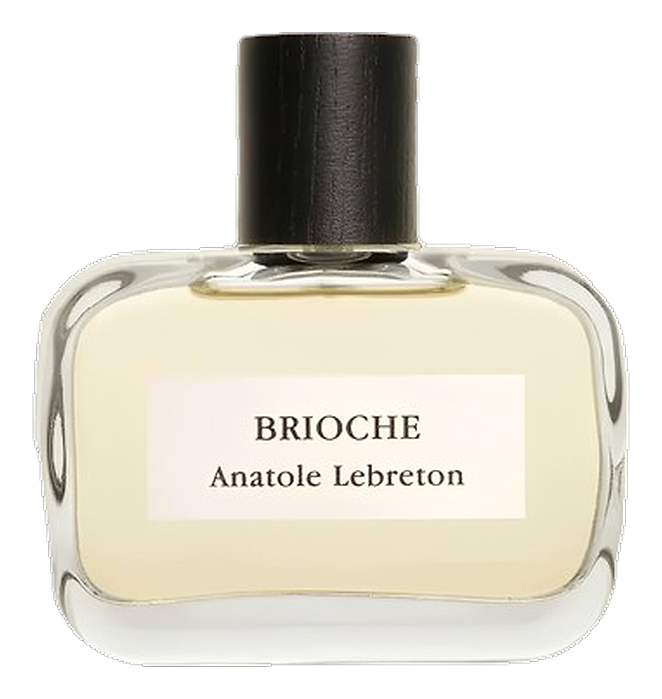
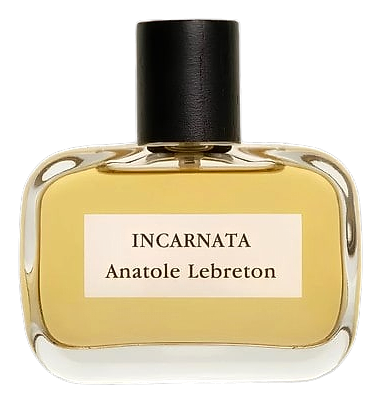
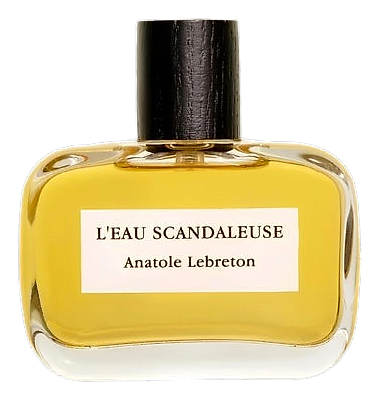
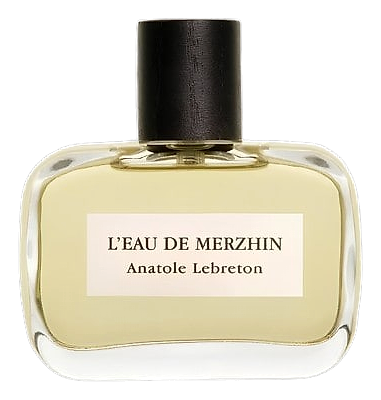
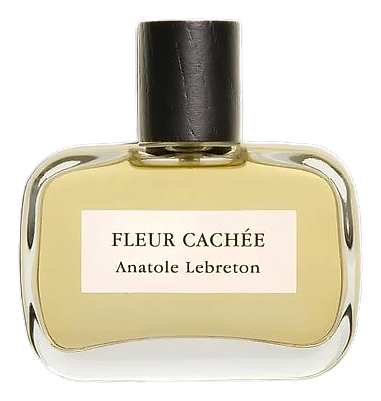
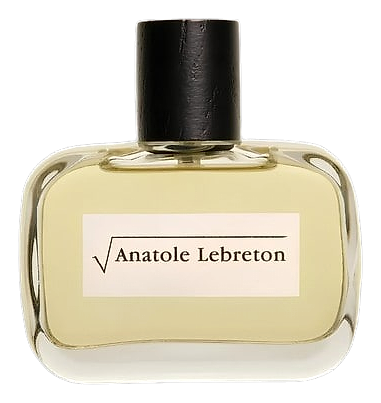
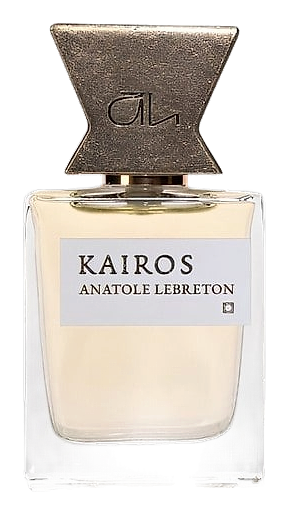
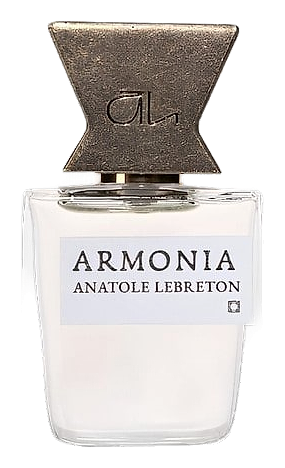
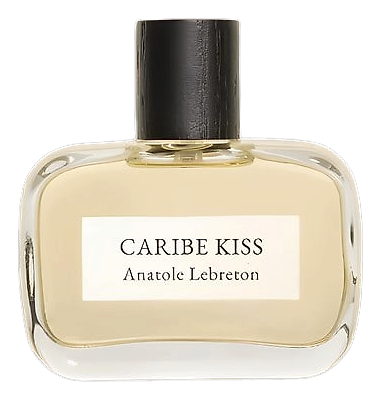
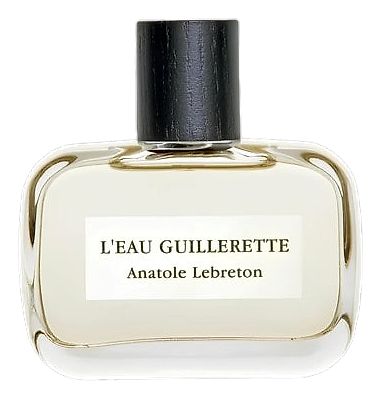
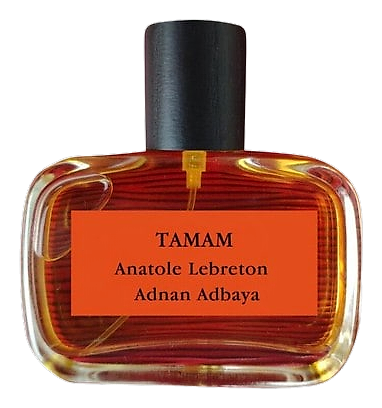
The story of Anatole Lebreton begins in the green heart of Provence, where the founder grew up surrounded by lavender fields and olive groves. After an early career as a fragrance blogger, Anatole turned his written observations into a laboratory of scent, launching the brand in 2014 with a clear intention to work outside the mainstream distribution channels. The first fragrance, Incarnata, arrived in 2015 and signaled a commitment to handcrafted compositions that reference both personal memory and regional terroir. Over the next decade the house expanded its catalogue with Grimoire (2017), a darker, narrative‑driven blend, followed by Fleur Cachée in 2020, which highlighted native French botanicals. Each subsequent release—Racine Carrée (2021), L'Eau Guillerette (2022), Tamam for Adnan Adbaya (2023), Kairos and Armonia (2024), Caribe Kiss (2024), and the forthcoming Rubaiyat (2025)—has reinforced a pattern of steady, independent growth. The brand remains privately owned, with production anchored in a small workshop near Avignon, and it has never pursued large‑scale retail partnerships, preferring direct‑to‑consumer channels and selective boutique placements. This measured evolution reflects Anatole’s belief that a perfume house can thrive by staying true to its original ethos while quietly adapting to new creative impulses.
Craftsmanship
Production at Anatole Lebreton takes place in a modest atelier that blends artisanal hand‑mixing with modern French laboratory standards. Raw materials are chosen for both quality and provenance; many botanicals are harvested from farms in Provence, while exotic notes are imported from certified suppliers who adhere to fair‑trade practices. The brand favors natural extracts when possible, complementing them with synthetics that are rigorously tested for safety and stability. Each batch is mixed in small quantities, allowing the perfumer to monitor the evolution of the fragrance over weeks of maceration. Quality control includes sensory evaluation by a panel of trained noses, as well as analytical testing for concentration and longevity. Bottles are filled by hand, sealed with waxed caps, and labeled with minimalist typography that reflects the house’s understated aesthetic. Shipping is done in recyclable cartons, and the brand encourages customers to return empty bottles for reuse, reinforcing a loop of responsible consumption.
Design Language
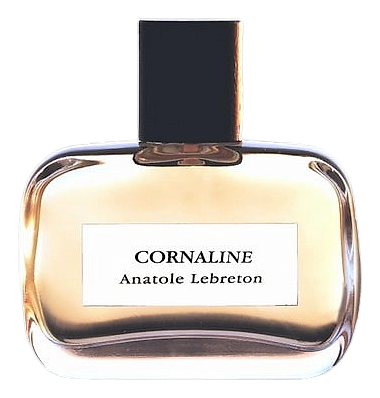
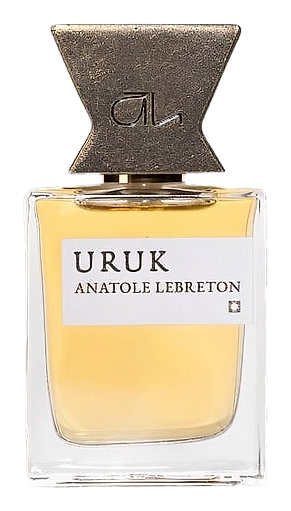
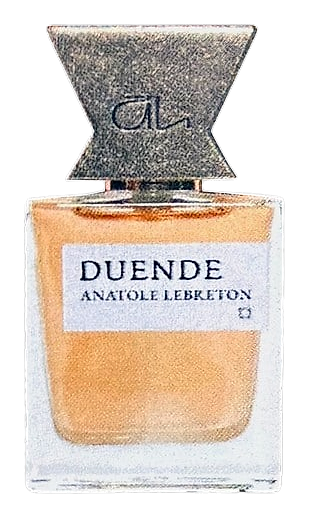
The visual language of Anatole Lebreton mirrors its scent philosophy: clean, restrained, and subtly evocative. Bottles are typically clear glass with slender shoulders, allowing the colour of the perfume to become the focal point. Labels feature a simple serif typeface in muted tones, often accompanied by a small illustration that hints at the fragrance’s narrative—such as a stylized lavender sprig for Fleur Cachée or a geometric pattern for Grimoire. The packaging palette leans toward soft earth colours, reinforcing the connection to the Provençal landscape. Caps are finished in brushed metal or natural wood, providing a tactile contrast to the smooth glass. Marketing materials use generous white space and photography that captures the perfume in natural light, often set against rustic backdrops like stone walls or sun‑dappled fields. This aesthetic reinforces the brand’s identity as a quiet, thoughtful alternative to louder luxury houses.
Philosophy
Anatole Lebreton describes its creations as “parfums de liberté,” a phrase that captures a philosophy of unrestricted expression. The house treats each fragrance as a personal diary entry, allowing the scent to evolve naturally rather than conforming to market trends. Inspiration often comes from the Provençal landscape, from the scent of rain on stone to the aroma of fresh herbs in a kitchen garden. Anatole emphasizes a dialogue between tradition and invention; he respects the rules of French perfumery while inviting unexpected pairings that reflect his own eclectic taste. Sustainability is woven into the brand’s values, with a preference for locally sourced ingredients and minimal packaging. The creative process is deliberately intimate: Anatole sketches a concept, selects raw materials, and then works with a small team of French chemists to refine the formula. The result is a collection that feels both familiar and surprising, inviting the wearer to experience a moment of freedom each time the bottle is uncapped.
Key Milestones
2014
Anatole Lebreton brand founded in Provence, France
2015
Launch of first fragrance Incarnata
2017
Release of Grimoire, expanding the narrative line
2020
Fleur Cachée introduced, highlighting native French botanicals
2021
Racine Carrée added to the collection, emphasizing geometric inspiration
2022
L'Eau Guillerette released, a fresh aquatic composition
At a Glance
Brand profile snapshot
Origin
France
Founded
2014
Heritage
12
Years active
Collection
1
Fragrances released
Avg Rating
4.0
Community sentiment
Release Rhythm


