Green Hay
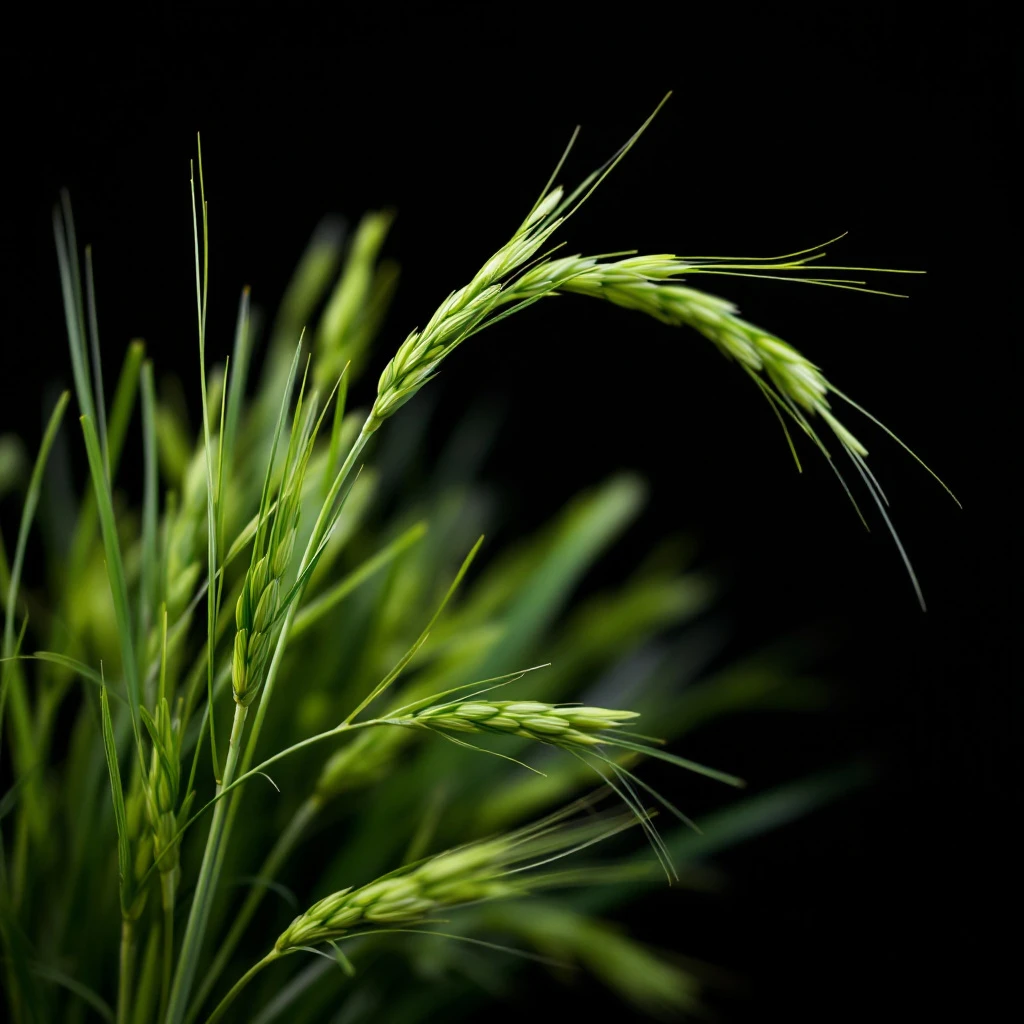
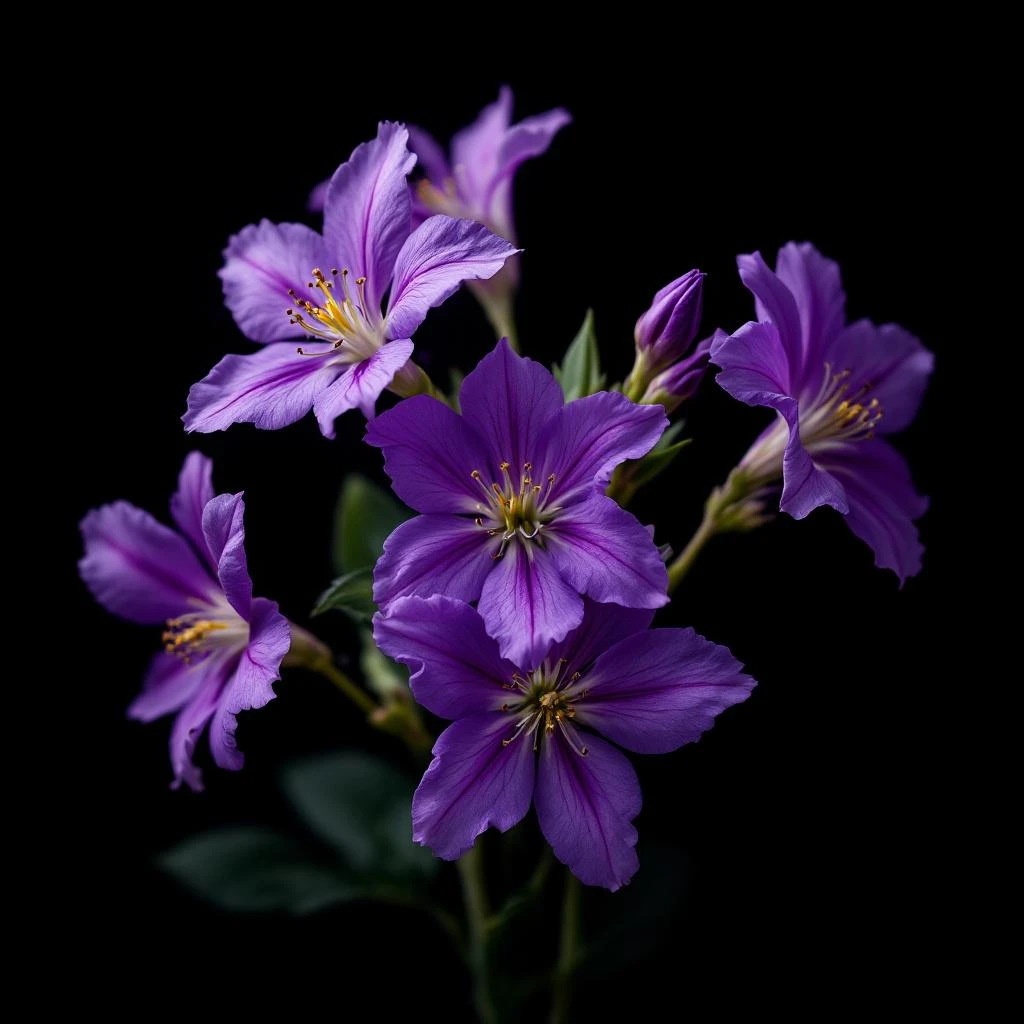
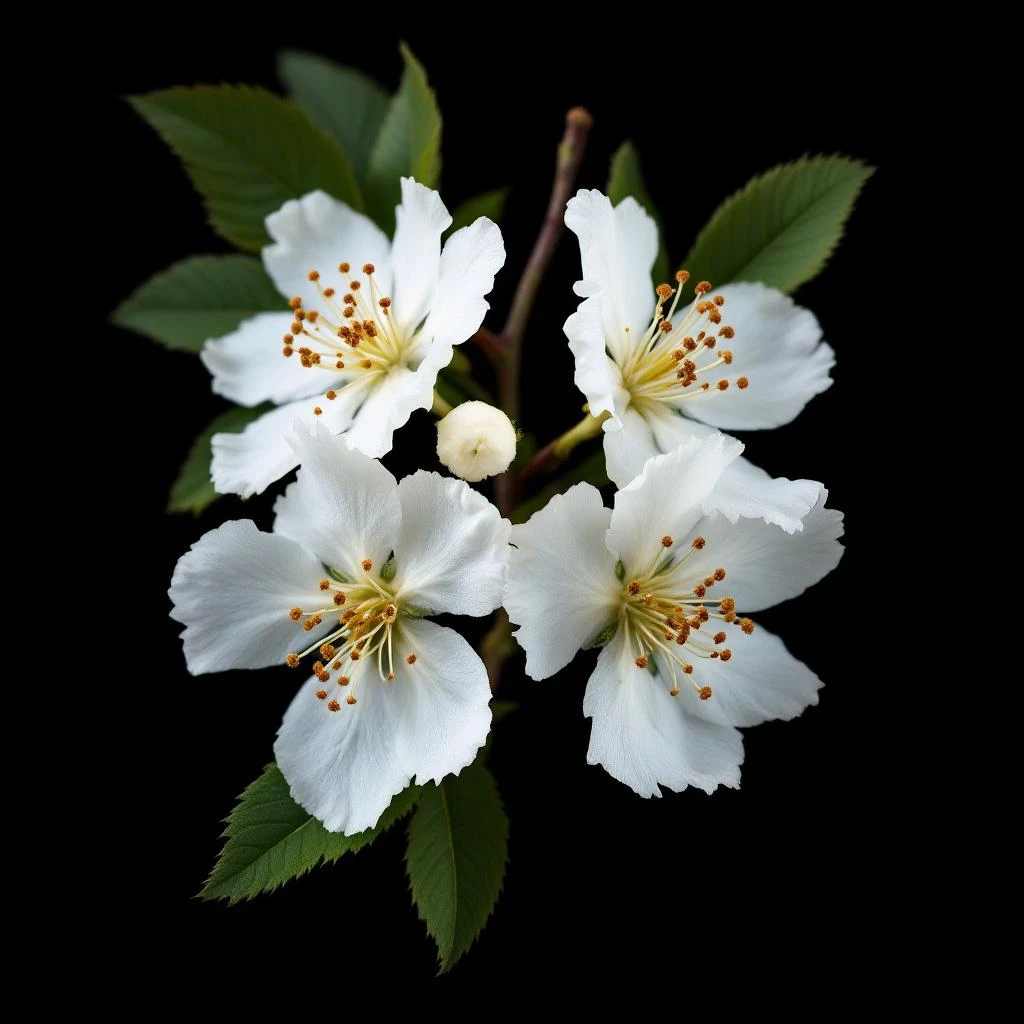
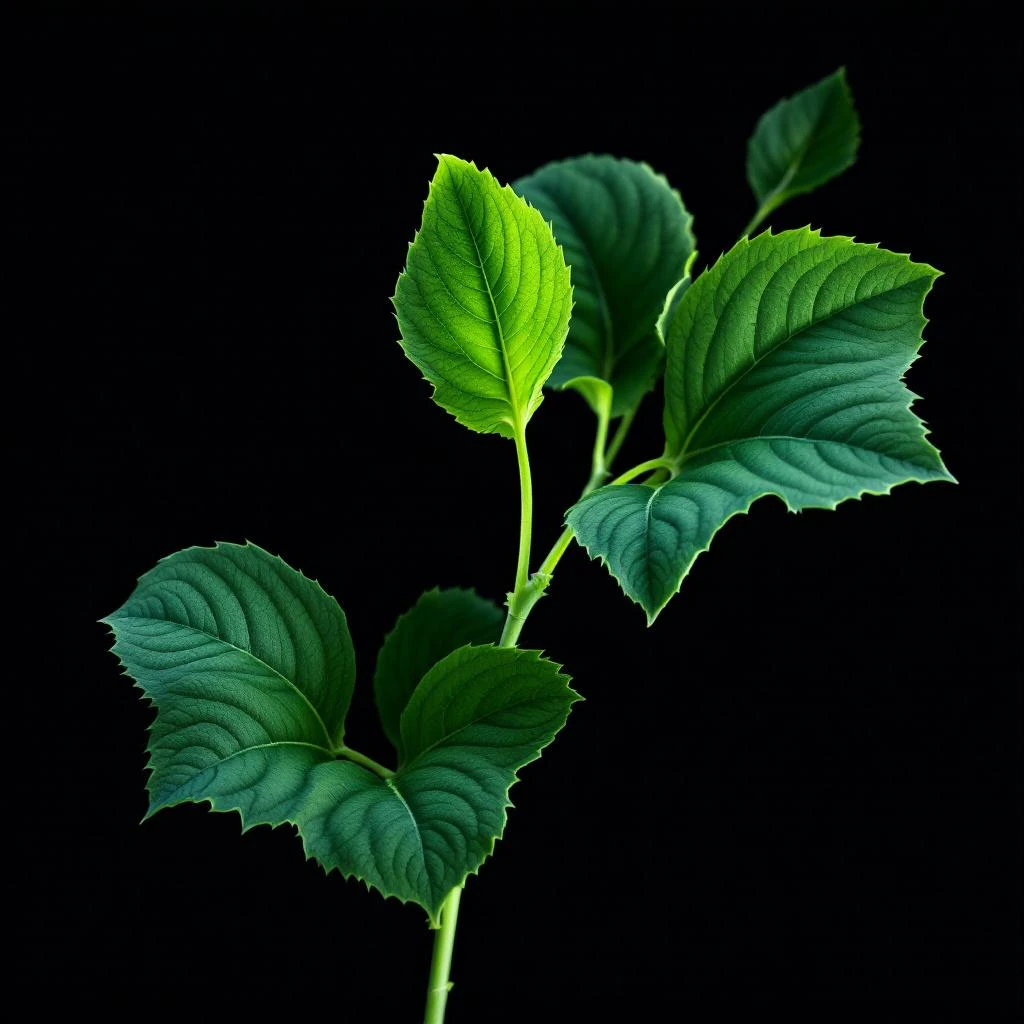
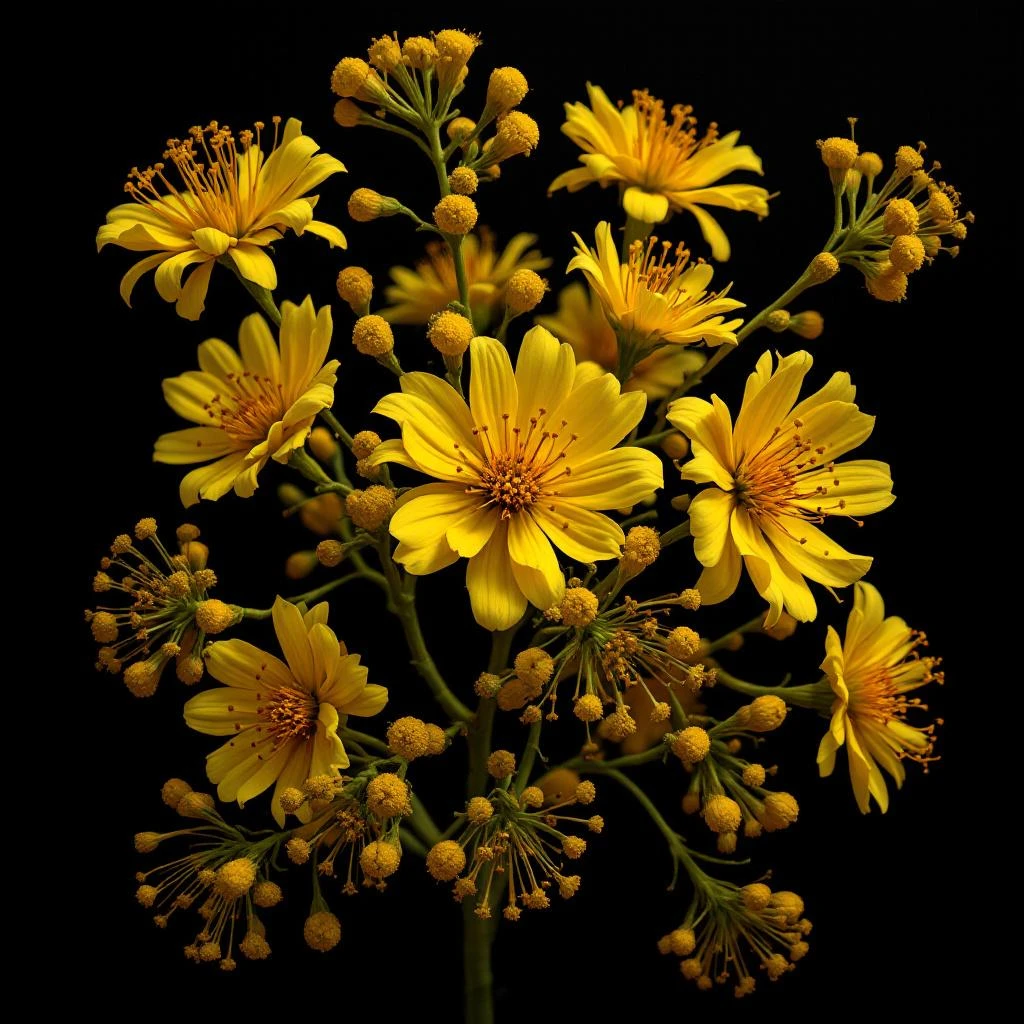
Green hay evokes sun-warmed fields and fresh-cut grass at their peak, a scent that captures summer's purest moments and brings them into the bottle with an airy, pastoral quality that few ingredients can match.
Character
How it smells
The scent of summer meadows after the first cut.
Green hay's most recognizable scent compound, coumarin, was first synthesized in 1868 by accident during William Henry Perkin's coal tar dye experiments.

Origin
France
For centuries, hay-scented preparations appeared in folk remedies and rural perfumes across Europe. French perfumers in the Grasse region formalized hay absolutes during the 18th century, seeking to bottle the ephemeral scent of summer meadows. Before chemical synthesis, achieving a reliable hay note required infusions of dried grasses steeped in alcohol or oil.
The breakthrough came in 1868 when William Henry Perkin synthesized coumarin, pinning down the exact molecule responsible for the new-mown hay smell. This discovery changed fragrance chemistry fundamentally. Suddenly, perfumers could access the beloved hay note year-round without dependent on seasonal harvests.
Natural and synthetic versions now exist alongside each other, with natural absolutes prized for complexity and synthetics valued for consistency in modern fine fragrance formulations.
Wears it best
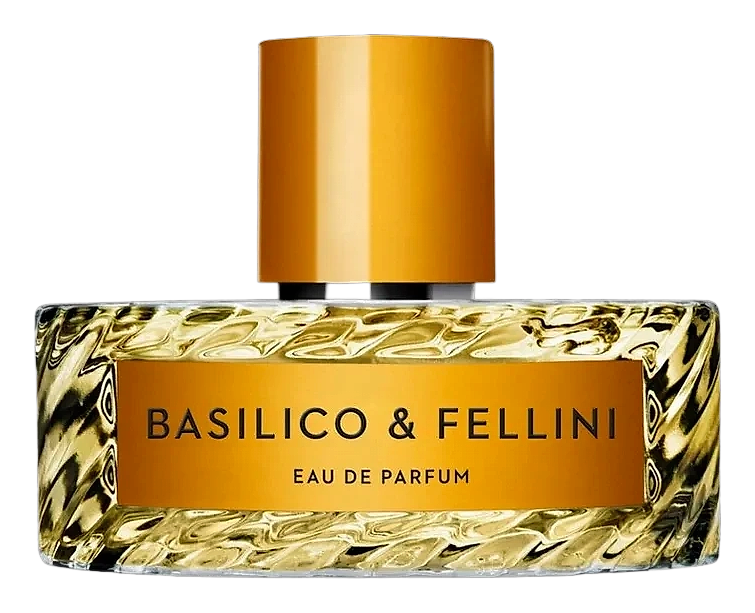
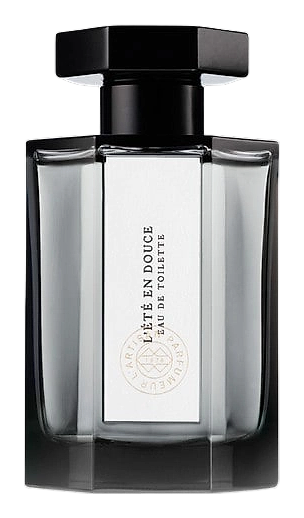
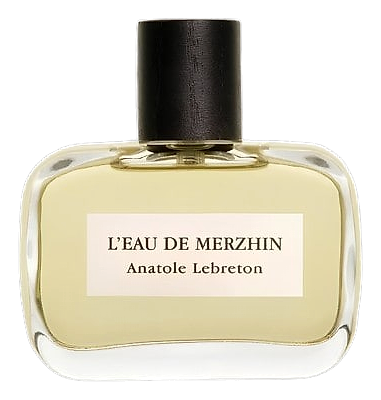
Fragrances featuring Green Hay
Brands
Brands known for Green Hay
Good to know
Questions, answered
The essentials on Green Hay in perfumery: how it smells, where it comes from, and how it behaves on skin.
What is green hay in perfumery?
Green hay is a fragrance ingredient capturing the scent of fresh-cut or sun-dried grasses. Perfumery uses both natural absolutes from sweet vernal grass and synthetic versions built around coumarin to achieve this pastoral, summery note.
What does green hay smell like?
Green hay smells like warm summer grasslands immediately after cutting. The scent combines fresh grassy sharpness with sweet, slightly honeyed undertones and a dry, hay-like backbone that feels sun-drenched and natural.
Is green hay natural or synthetic?
Both versions exist. Natural green hay absolute comes from sweet vernal grass via solvent or CO2 extraction. Synthetic green hay notes typically rely on coumarin combined with other aroma chemicals to replicate the characteristic scent profile.
What gives green hay its distinctive scent?
Coumarin forms the core of the new-mown-hay aroma. Farnesol and various grassy-smelling aldehydes add complexity to natural absolutes. Together, these compounds create the sweet, warm, hay-like quality associated with this note.
How is natural green hay absolute produced?
Producers harvest sweet vernal grass at peak bloom, then dry it to concentrate coumarin. Solvent extraction with food-grade hexane or supercritical CO2 follows, yielding a waxy concrete that processes further into the fragrant absolute.
What ingredients pair well with green hay?
Green hay works with fresh, green, and botanical accords. Lavender, clary sage, violet leaf, fresh wood, and citrus brighten its pastoral character. Jasmine and rose add floral depth, while light musks round out dry-down moments.
Which vintage perfumes made green hay famous?
Fougère Royal (1881) by Houbigant first crystallized the hay-fougère connection using coumarin. later, Maisonneuve's Gymnosperme and Chanel's Sport positioned green hay as a verdant bridging element in sporty, fresh fragrance architectures.
Is natural green hay absolute still used today?
Natural green hay absolute remains niche, found primarily in natural perfumery and specialized fine fragrances. Limited seasonal availability and higher cost push most mainstream fragrances toward synthetic coumarin-based hay notes instead.