
The Story
Why it exists.
The beginning
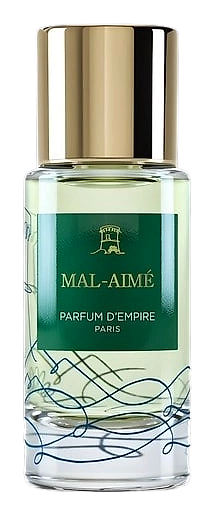
Mal-Aimé translates to "poorly loved" or "unloved", a name that reframes the overlooked as something worth keeping. Marc-Antoine Corticchiato built this fragrance around Erigeron, a plant native to Corsica that most would call a weed. Rather than working around it, he made it the backbone. The entire structure, top, heart, and base, threads through Erigeron, using the same botanical at every level to create a vertically integrated scent that breathes as one material rather than three separate acts. It's an unusual compositional choice. Deliberate. Quietly defiant.
The blackberry bramble in the opening gives Mal-Aimé its initial sweetness, a brief, bright fruit note that doesn't announce itself so much as it peeks through. Then the herbal complexity takes over. Nettle and thistle form the heart, and this is where the fragrance makes its statement: green, slightly stinging, undeniably alive. The orris root in the base adds powdery depth, a quiet resolution that keeps the wildness from feeling unfinished. Together, the pyramid uses Erigeron as connective tissue, so each phase echoes the one before it rather than replacing it.
The evolution
The opening arrives green and sharp, nettle and thistle dominate, with the blackberry sweetness fighting for space against something that reads almost medicinal. Twenty minutes in, the sharpness settles. The herbal intensity remains, but it's warmer now, less confrontational. The blackberry has receded into the background, leaving the wild plants to hold the stage. By the second hour, the orris root emerges, powdery, slightly mineral, like the smell of violet absolute when it turns rooty. This is the phase that lasts. The drydown stays close to skin for hours, moderate sillage that doesn't fill a room but leaves a trace when someone moves past. By hour six, it's a quiet whisper of powder and green, the kind of skin scent you catch on yourself unexpectedly and realize you've been wearing something interesting all day.
Cultural impact
Mal-Aimé occupies a specific corner of niche perfumery, the kind of fragrance that generates strong opinions precisely because it refuses to play it safe. Community reviews describe it as "not a safe blind buy" and "divisive weed-like realism", phrases that signal this isn't a crowd-pleaser. The people who rate it highly tend to describe it as deeply naturalistic, artistic, and unlike conventional florals. The nose behind it, Corticchiato, has built a house around this kind of uncompromising work: compositions that research historical and botanical territory before settling on something that feels genuinely found rather than manufactured.