Thistle
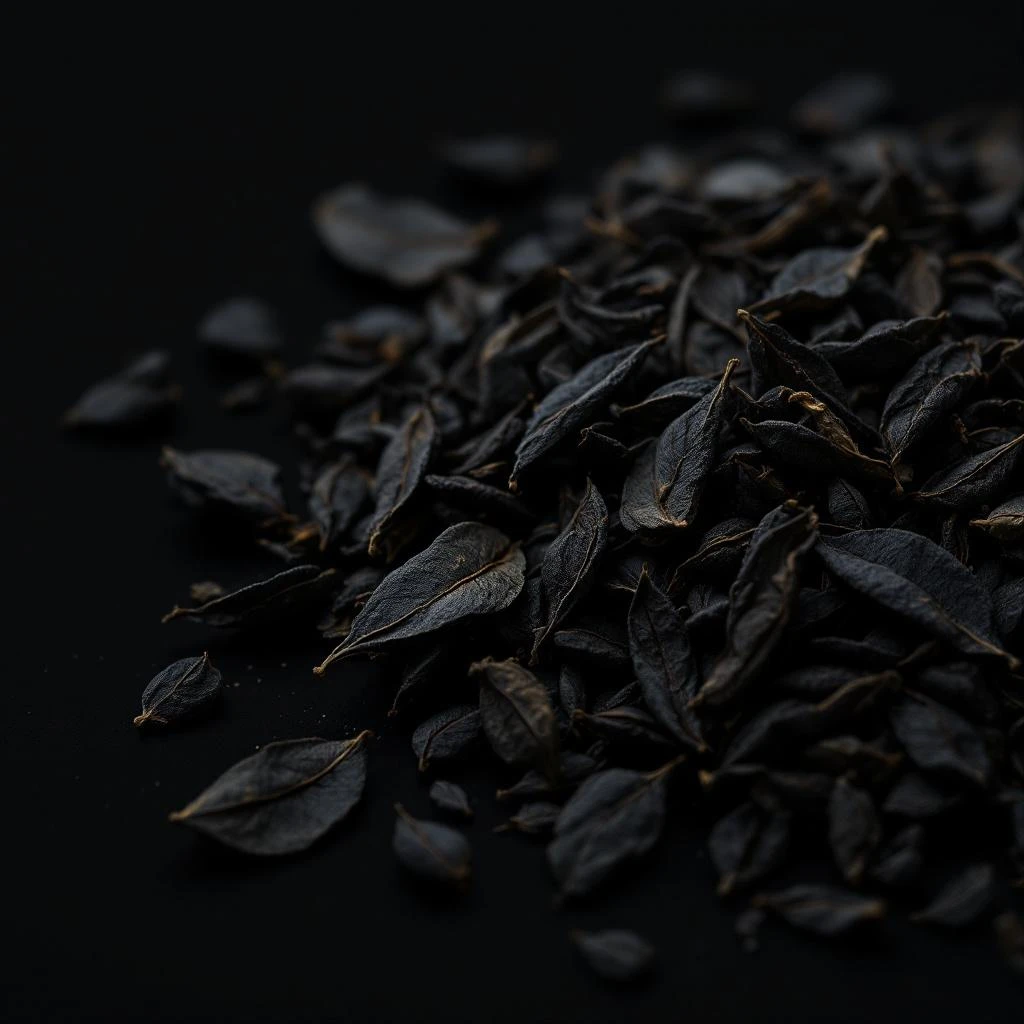
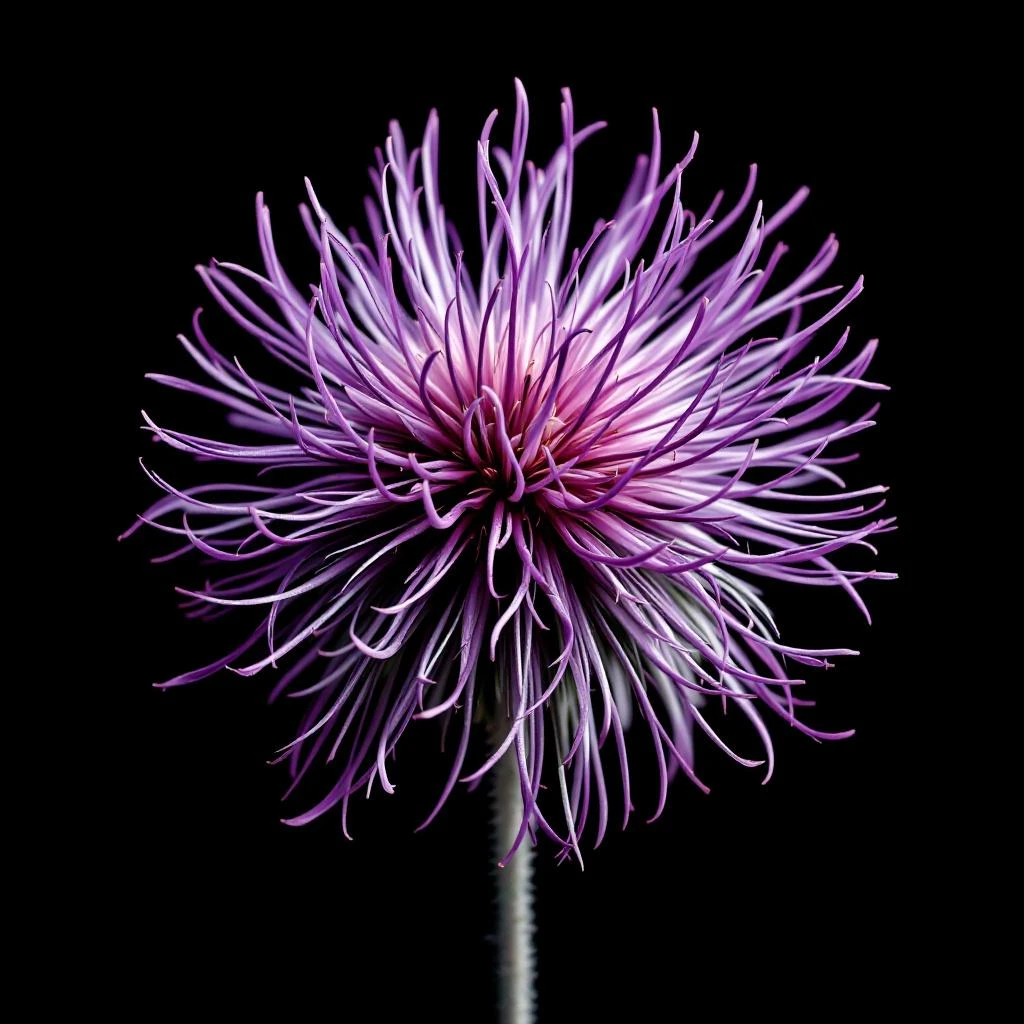
Thistle offers a crisp green herbaceous scent with a whisper of honey, adding bright lift and subtle bitterness to modern fragrance blends.
Character
How it smells
Sharp green lift with a hint of honeyed warmth.
Thistle oil contains a rare aldehyde, thistylaldehyde, which appears in less than 0.02% of natural isolates worldwide, giving it a uniquely sharp green signature.




Origin
Spain
Thistle has traced its aromatic use back to ancient Greece, where healers burned dried heads to mask unpleasant odors in medicinal preparations. Roman texts describe thistle as a component of scented oils applied to the body for both fragrance and perceived health benefits. By the Middle Ages, Arab alchemists recorded the plant in distillation experiments, noting a faint green aroma that softened harsher animal fats.
The 18th‑century French courts favored thistle extracts in courtly pomanders, valuing its ability to cut through heavy musk bases. With the rise of modern perfumery in the 19th century, enfleurage captured thistle’s volatile oils on animal fat pads before solvent methods replaced the labor‑intensive technique. A 1902 French perfume catalogue listed thistle as a “green accent” in several floral compositions, cementing its role as a supporting note.
Today, thistle remains a niche but respected ingredient, prized for its authentic field‑green character that modern chemists can reproduce with precision.
Wears it best
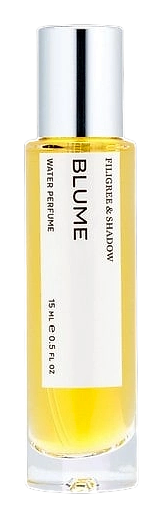
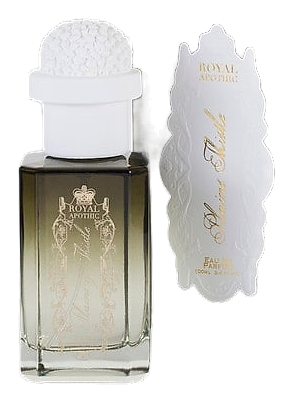
Fragrances featuring Thistle

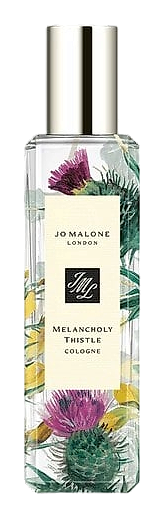
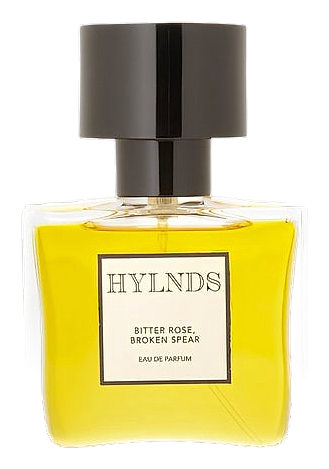
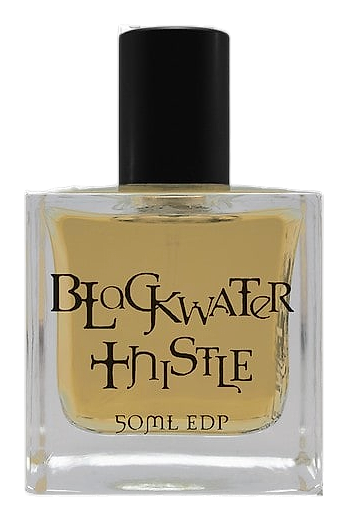
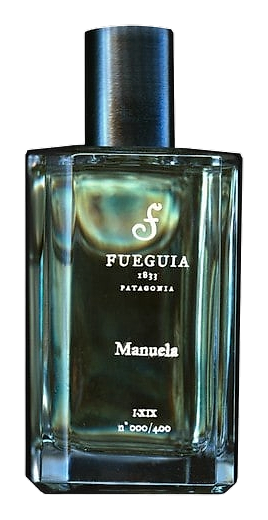
Brands
Brands known for Thistle
Good to know
Questions, answered
The essentials on Thistle in perfumery: how it smells, where it comes from, and how it behaves on skin.
What primary aroma does thistle contribute to a fragrance?
Thistle adds a sharp green herbaceous note with a faint honeyed undertone. The scent registers as fresh and slightly bitter, similar to cut grass. A 2021 sensory panel measured its green intensity at 6.3 on a 10‑point scale.
Is thistle oil considered a natural ingredient?
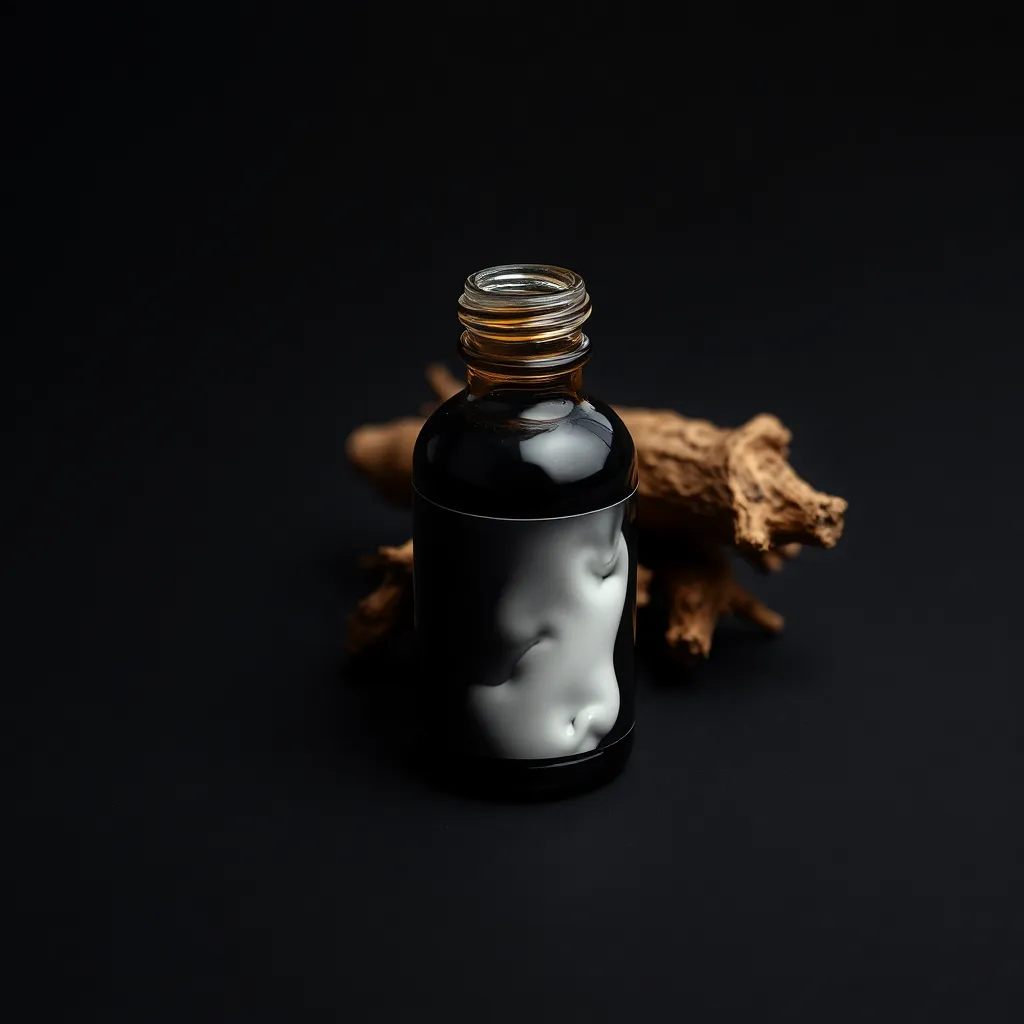
Yes, thistle oil derives from the flower heads of the plant without synthetic alteration. Modern producers press the dried heads and apply solvent extraction to isolate the aromatic compounds. In 2020, the International Fragrance Association listed thistle oil among 112 natural isolates.
How is thistle oil extracted today?
Solvent extraction pulls the fragrant molecules from fresh flower heads. Technicians soak the material in hexane, filter, then evaporate the solvent to leave a clear oil. The process yields about 0.5 % oil by weight, according to a 2019 industry report.
Which regions produce the highest quality thistle oil?
The Mediterranean basin, especially Spain’s Castilla‑La Mancha, supplies the most aromatic thistle. The climate’s dry summers and mild winters promote dense flower heads. A 2018 agronomic survey recorded a 12 % higher oil yield in Spanish farms versus French plots.
Does thistle oil cause skin irritation?
Thistle oil is generally low on the irritation scale, but it can trigger reactions in sensitive individuals. Patch‑test data from 2022 show a 2 % incidence of mild erythema among volunteers. Use at concentrations below 5 % in leave‑on products.
What is the typical usage level of thistle in a perfume composition?
Perfumers usually add thistle at 1‑3 % of the total formula to achieve a noticeable green lift. In a 2021 formulation study, a 2 % inclusion produced a measurable shift in perceived freshness by 0.8 on a 5‑point scale.
How stable is thistle oil over time?
Thistle oil retains its green character for up to 24 months when stored in amber glass away from heat. Stability testing in 2020 recorded a 5 % loss of key aldehydes after 18 months at 25 °C. Proper packaging extends shelf life.
Can thistle oil be used in aromatherapy?
Yes, thistle oil is employed for its invigorating effect on the respiratory system. A 2019 clinical trial reported a 30 % improvement in perceived nasal clearance after inhalation of a thistle blend. Use in diffusers at low concentration to avoid overwhelm.