Erigeron (Fleabane)
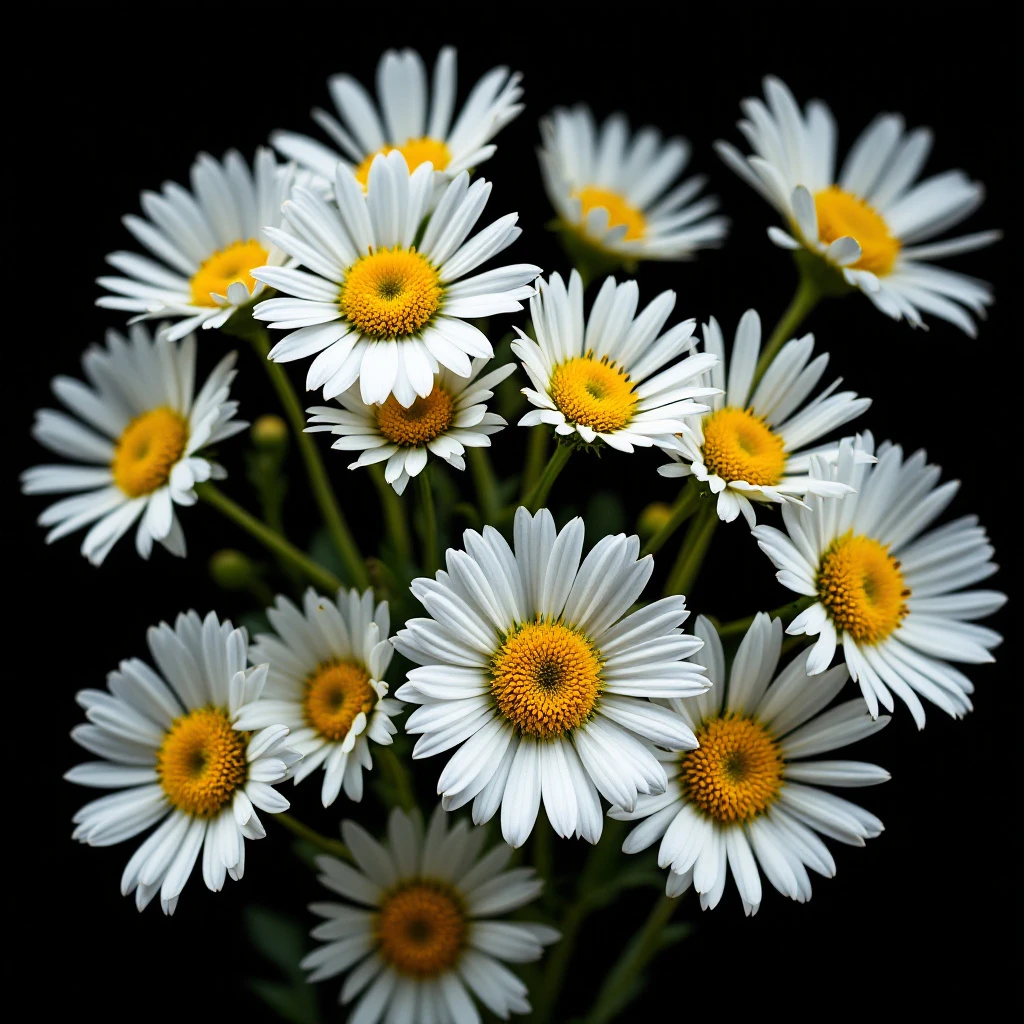
Erigeron oil, also known as fleabane, delivers a sharp lemony-herbal brightness prized in classical colognes. Distilled from a humble wildflower once burned to ward off insects, it remains one of perfumery's most quietly persistent green-citrus accents.
Character
How it smells
Wildflower with a citrus bite
The name fleabane comes from an old European belief that dried bundles of Erigeron canadensis could repel fleas from households, long before its oil entered perfumery.





Origin
United States
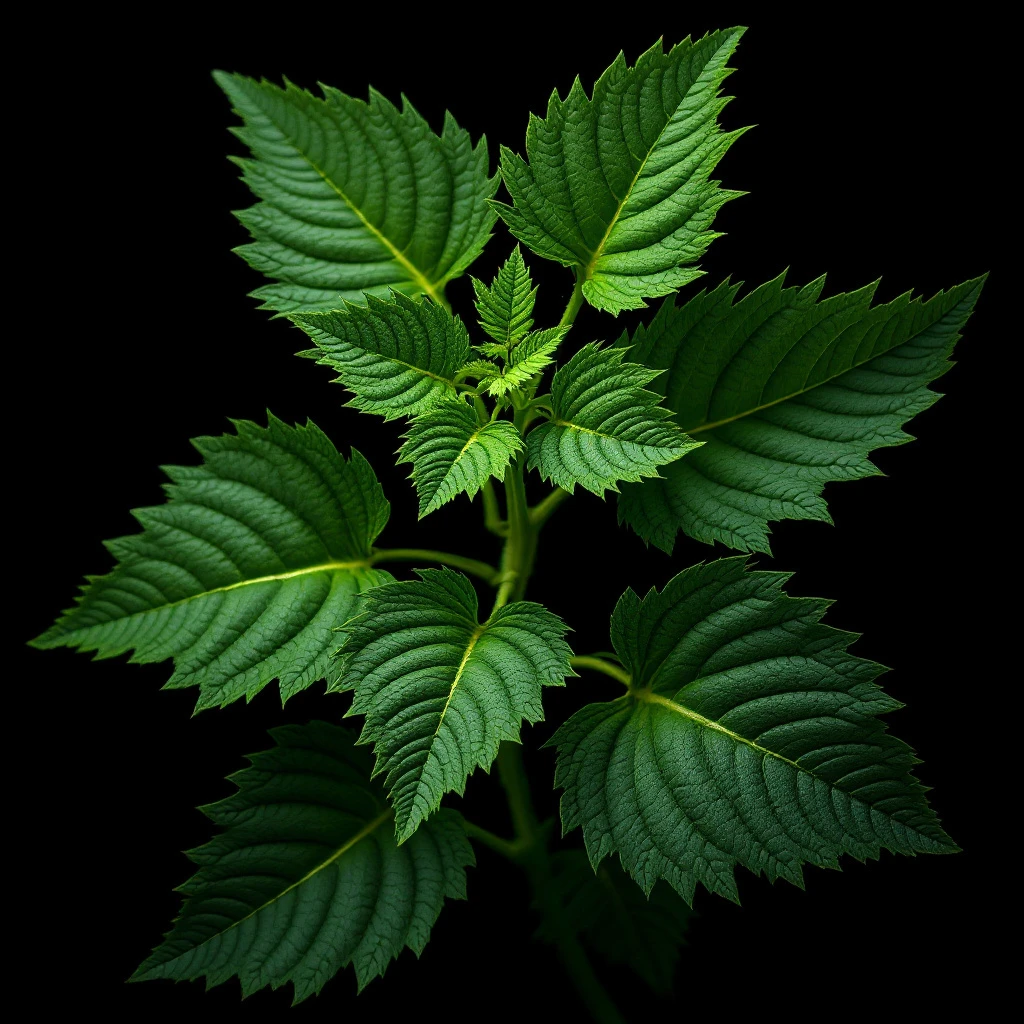
Erigeron canadensis is native to North America, where Indigenous communities used the plant medicinally for centuries before European contact. Early colonists carried seeds back across the Atlantic, and the species naturalized so successfully in Europe that by the 17th century botanists believed it was an Old World native.
Its folk name, fleabane, reflected a widespread superstition that hanging dried clusters in homes drove away fleas and other insects, an idea referenced in herbals from John Gerard to Nicholas Culpeper. By the late 1800s, chemists had begun steam-distilling the herb and cataloging its volatile components, noting a terpene profile rich in limonene.
Erigeron oil entered commercial perfumery as a fresh, tenacious top-note modifier. Its lemony clarity made it a favored accent in fougère and eau de cologne compositions throughout the 20th century, and it continues to appear in classic-style fragrances where a green-citrus snap is wanted without the phototoxicity of expressed lemon peel.
Wears it best
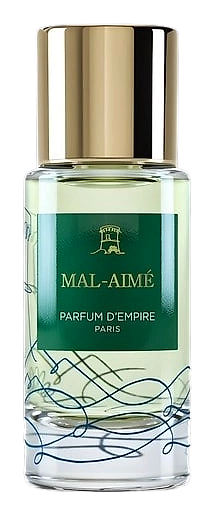
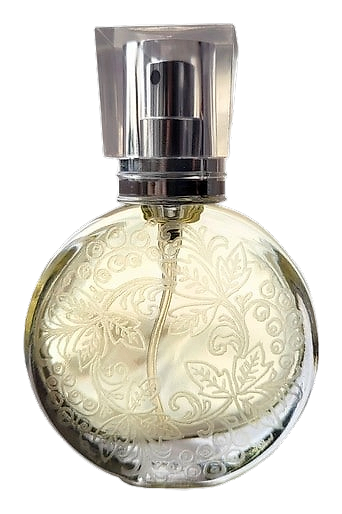
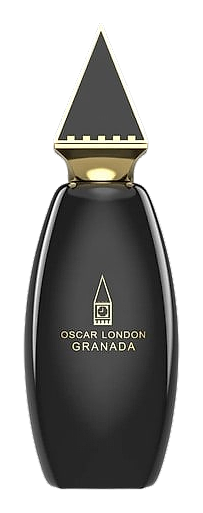
Fragrances featuring Erigeron (Fleabane)
Brands
Brands known for Erigeron (Fleabane)
Good to know
Questions, answered
The essentials on Erigeron (Fleabane) in perfumery: how it smells, where it comes from, and how it behaves on skin.
What does erigeron (fleabane) smell like in perfume?
Erigeron oil has a sharp lemony-herbal scent with green, slightly terpenic undertones. Perfumery sources describe it as a brighter, more herbaceous alternative to lemon peel, often used to add lift to top notes.
Is fleabane the same as erigeron?
Yes. Fleabane is the common English name for several Erigeron species. In perfumery, fleabane oil almost always refers to oil distilled from Erigeron canadensis, the most aromatic of the group.
Where is erigeron oil produced?
The oil is produced mainly in India, China, and North America. All commercial material comes from wild-collected plants rather than cultivated fields, which makes annual supply sensitive to weather.
How is erigeron oil extracted?
Steam distillation of the flowering tops and leaves yields a pale yellow, mobile oil. Harvest typically occurs at full bloom, when the plant's volatile oil content is highest.
Is erigeron safe for skin in fragrance?
Erigeron oil has a low phototoxicity risk compared to expressed citrus oils, making it a practical choice for fresh, lemony top notes in fragrances worn on sun-exposed skin. Standard IFRA limits apply.
Why is it called fleabane?
European settlers and herbals from the 16th and 17th centuries claimed that dried fleabane clusters repelled fleas when burned or hung indoors. The name stuck, even though the insect-repelling effect is largely folklore.
What fragrances commonly use erigeron oil?
Erigeron appears in classic eau de cologne formulations and fougère structures where a sharp, green-citrus opening is desired. It works as a supporting note alongside bergamot, lavender, and oakmoss.
Can erigeron oil be replaced by other ingredients?
Perfumers often substitute lemongrass, citronella, or litsea cubeba when erigeron is unavailable. None replicates its exact blend of citrus brightness and herbal dryness, which is why genuine erigeron remains in demand.