
The Story
Why it exists.
The beginning
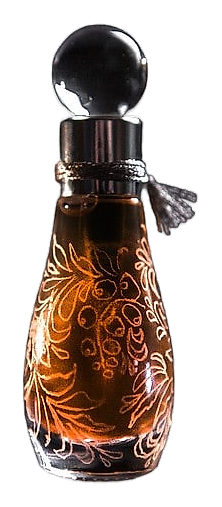
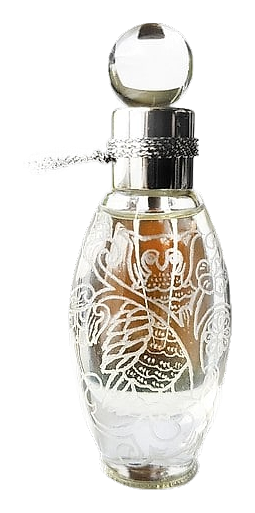
The matryoshka is never just one doll. Peel back the largest, lacquered, painted with traditional motifs, and there she is again, smaller, then smaller still, until the final hidden grain of wood. Valeriya Karmanova built Matryoshka around that same logic: a fragrance that reveals itself in stages, each layer complete on its own, the whole only understood from the outside. She started with apple blossom and plum blossom at the outermost edge, flowers that carry the specific sweetness of Russian orchard mornings, and worked inward toward something warmer and stranger at the core. The name was the concept from the beginning.
What's unusual here is the erigeron, fleabane, that wild roadside herb with its faintly medicinal green, anchoring the heart alongside green apple. It's not a common pairing in mainstream perfumery, and it gives the middle stage a quality somewhere between a garden and a meadow after rain. The base then swings toward warmth: eglantine rose, the dog rose used in Russian herbalism for centuries, dried with hay and brightened by jasmine tea. Tobacco and cloves arrive last, quiet and persistent, like the smell of a room where someone has been making tea all afternoon. Seven top notes is ambitious, but the aldehydes hold them in formation, sparkling, crystalline, preventing any one blossom from dominating.
The evolution
The opening arrives like light through a window: aldehydes first, then the procession of blossoms, apple, plum, blackcurrant, raspberry, each stepping forward briefly before yielding to the next. For the first twenty minutes, this is almost transparent, ephemeral, a scent you can almost see through. Then the green apple arrives and concentrates things. The erigeron adds a faint herbal lift, slightly bitter, slightly wild, cutting through the sweetness the way a leaf does when you crush it. By the hour, the rose appears, not a grand floral entrance, but a presence that settles over everything, warm and slightly dry. The hay note becomes more distinct in the second hour, lending a grain-like depth. Then the base: tobacco and cloves, jasmine tea wrapping around them, the eglantine rose persisting as a quiet thread throughout. On fabric, this fragrance lasts well into the evening, you catch it again when you undress, softer now, almost skin-like, the blossoms gone but the warmth remaining.
Cultural impact
Matryoshka stands out in Ladanika's catalogue for its structural ambition, seven top notes resolved through aldehydic precision rather than simple layering. Among independent Russian houses, it's one of the more technically assured compositions, with erigeron marking territory that mainstream perfumery rarely visits. The fragrance occupies a specific niche within niche: green-floral with vintage restraint, approachable enough for daily wear but unusual enough to reward attention.
The House
LadanikaLadanika is a niche fragrance house that emerged in the late 2010s with a focus on olfactory stories drawn from Russian folklore and natural landscapes. The brand debuted its eponymous scent in 2018 and has since expanded to a modest catalogue that includes Power of The Spirit (2017), Ivan Kupala (2025), and Bayun the Cat (2021). Each fragrance is presented in a minimalist bottle that emphasizes the scent rather than flashy branding. Ladanika positions itself as a laboratory for curious noses, offering compositions that blend traditional ingredients such as frankincense and birch with modern synthetics. The label distributes primarily through specialty retailers and online platforms that cater to collectors of artisanal perfume.
The Creator
Valeriya KarmanovaValeriya’s signature technique revolves around juxtaposing nutty accords with bright fruit, creating a bridge between comfort and surprise. She often builds a base of linden blossom or other white florals, then layers in resinous woods to add depth.